Lawn Mower Tire Repair Near Me: A Practical DIY Guide
Learn how to locate lawn mower tire repair near me, inspect tires, patch tubeless tires or replace inner tubes, and prevent flats with expert tips from Mower Help.


You can repair many lawn mower tire issues close to home or find local service with a quick search for lawn mower tire repair near me. This guide outlines assessing tire condition, choosing patching vs replacement, and the safe steps to patch tubeless tires or install a tube, so you can get back to mowing sooner. Expect practical, low-cost options and clear safety tips.
Understanding lawn mower tires and common issues
Lawn mower tires come in several designs, most commonly tubeless tires with a pliable bead that seats against the wheel and sometimes inner tubes in certain models. Common problems include slow leaks from punctures, nails or screws lodged in the tread, bead leaks where the tire meets the rim, and sidewall wear that can compromise safety. Before you rush to replace parts, take a careful look at the overall condition: is the tread worn, is the bead seating properly, and are there visible bulges or cracking on the sidewalls? According to Mower Help, most flat tires are repairable when the puncture is within the tread area and the sidewalls are intact. The goal is to determine whether a tubeless repair, a tube replacement, or a full tire/wheel replacement is the safest long-term fix.
Finding trusted options for tire repair near me
Locating lawn mower tire repair near me involves a mix of DIY readiness and professional support. Start by checking local mower shops, garden equipment dealers, and mobile repair services that offer tire work. If the wheel is harder to access, look for mobile technicians who can come to your yard. When evaluating options, ask about service scope (patch vs tube vs tire replacement), turnaround time, guarantees, and whether they offer flat-rate pricing for common mower tire issues. If your mower is under warranty, confirm coverage before paying out of pocket. The Mower Help team suggests comparing at least two or three nearby providers to find the best balance of price, convenience, and trustworthiness.
Pre-repair safety and the right mindset
Safety should come first because tire work involves pressurized air and heavy components. Always disconnect the spark plug or remove the ignition key to prevent accidental starting. Wear eye protection and gloves, and work on a stable surface with the mower secured. If you’re working on a wheel mounted on a rolling mower, secure the mower so it cannot move during the repair. Clear the area of bystanders and pets. Understanding the potential risks helps you avoid injuries and ensures you perform repairs correctly the first time.
Tubeless tires vs inner tubes: choosing the right path
Tubeless tires rely on patches, plugs, or sealants to seal punctures from the inside or exterior bead area, while inner tubes replace the air chamber inside the tire. Tubeless repairs are often quicker and cheaper for pinhole leaks or tread-area punctures. Inner tubes offer a reliable alternative if the tubeless patch cannot seal a larger puncture or the rim is damaged. Consider tire size, wheel type, and the location of the puncture when deciding which approach to take. The decision should balance cost, downtime, and the likelihood of reoccurring leaks.
Tools you’ll want on hand before you begin
Before you dive into any tire work, assemble a basic set of tools and materials—most of which are readily available at hardware stores or mower shops. You’ll need a wheel removal tool, a patch kit for tubeless tires or a spare inner tube, a pump or air compressor, and a sealant compatible with tubeless patches if you’re repairing a tubeless tire. Also gather protective gloves, safety glasses, a tire iron, soapy water for leak testing, and a clean work surface. Having the right tools reduces frustration and helps you complete the job more safely and efficiently.
Step-by-step approach to a tubeless patch or tube replacement
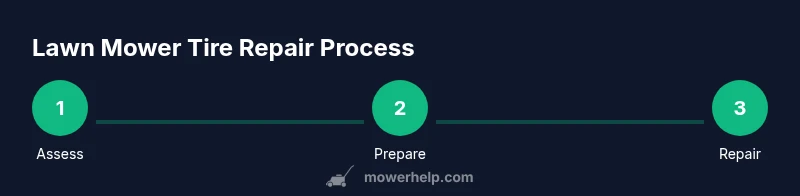
If you’re repairing tubeless tires, you’ll typically locate the puncture, remove the object, roughen the patch area, apply a patch or plug, seal with glue if required, and then inflate to the recommended tire pressure. For inner tubes, you’ll remove the tire from the rim, deflate fully, extract the tube, inspect the rim for sharp edges, install a new or patched tube, reseat the tire, and inflate. In either case, ensure the bead seats evenly around the rim and check for leaks with soapy water after reassembly. If any part shows unusual wear or bead damage, replace the tire or wheel to avoid future flats.
Maintenance strategies to reduce flats and extend tire life
Preventive care can dramatically reduce tire failures. Maintain correct tire pressure according to the manufacturer’s guidance, inspect tires during each mowing session for embedded objects, and rotate wheels if your mower design allows. Keep wheels clean and free of debris that can cause imbalance or bead damage. Store your mower indoors or on a dry surface to prevent moisture-related corrosion. Consider coating rims with protective spray to minimize corrosion after exposure to moisture and fertilizer.
When to call in a professional: signs you shouldn’t DIY
If you notice sidewall cracks, visible bead damage, or a tire that shows ongoing slow leaks despite patching, professional assessment is wise. Rim bending, misalignment, or a puncture near the bead may require specialized equipment or tire replacement that isn’t practical to DIY. The Mower Help team advises homeowners to prioritize safety and avoid attempting repairs that could compromise wheel integrity or mower performance.
Tools & Materials
- Wheel removal tools (socket set, wrenches)(Choose the correct size for your mower’s axle nuts and wheel bolts)
- Tire patch kit for tubeless tires or spare inner tube(Tubeless patch/plug kit if repairing punctures in tread area)
- Air pump or air compressor(Needed to inflate tire and test for leaks after repair)
- Soapy water and brush(To identify leaks around bead and patch areas)
- Safety gear (gloves and eye protection)(Keeps hands safe from sharp objects and pressurized air)
- Tire bead lubricant or soapy water(Helps reseat bead during tire removal/reassembly)
- Replacement tire or wheel (if necessary)(Use if tire damage is beyond repair or bead is damaged)
Steps
Estimated time: 60-90 minutes
- 1
Prepare your workspace and safety gear
Set up on a flat, stable surface. Put on safety glasses and gloves. Disconnect spark plug or remove ignition key to prevent accidental starts. Have all tools within reach.
Tip: Double-check that the mower cannot roll by placing a chock or block under the wheels. - 2
Remove the wheel from the mower
Loosen and remove the axle nuts or wheel bolts. Keep track of washers or spacers, reinstalling them in the same order later. This step gives you full access to the tire bead.
Tip: Take a photo of the wheel assembly before disassembly to reference during reassembly. - 3
Inspect tire, inner tube, and rim
Look for embedded objects, sidewall cracks, bead damage, or rim roughness. If you see major damage, replace the tire or wheel instead of patching.
Tip: Use a flashlight to inspect hard-to-see areas and a magnet to detect small metal shards. - 4
Patch or replace the inner tube (if applicable)
If using an inner tube, deflate completely, remove the tire, inspect the tube, patch or replace, then reseat the tire.
Tip: Patching should cover only punctures in the tread area; avoid patching sidewall punctures. - 5
Patch a tubeless tire or reinstall the tube (if tubeless patch is chosen)
For tubeless: locate the puncture, roughen the patch area, apply patch or plug, and seal using the patch kit adhesive. Inflate gradually to seat the bead and verify airtightness.
Tip: Apply from the inside if patching from within; otherwise seal from the exterior when allowed by the patch kit. - 6
Re-seat the tire and reassemble the wheel
Mount the tire back onto the rim, ensure even bead seating, secure the wheel onto the mower, and torque nuts to manufacturer recommendations.
Tip: Use soapy water to test for slow leaks around the bead after initial inflation. - 7
Inflate and test the repair
Inflate to the recommended PSI and check for leaks with soapy water. Spin the wheel to look for air loss and ensure the bead seats correctly.
Tip: If you hear hissing or see bubbles, stop and locate the leak immediately. - 8
Final safety check and test run
Reinstall the blade guard, reattach ignition essentials, and perform a cautious test run to confirm stability and tire integrity.
Tip: Always perform a slow-speed test before returning to full mowing to catch any issues early.
Got Questions?
Can I repair a punctured lawn mower tire myself at home?
Yes, you can usually repair punctures in the tread area using a tubeless patch or replace the inner tube if needed. Do not repair sidewall damage or bent rims yourself; seek professional help for those issues.
Yes, you can often patch tread punctures at home. Avoid repairing damaged sidewalls or bent rims and seek professional help for those issues.
What tools do I need for lawn mower tire repair?
You’ll need a wheel removal tool set, a tubeless patch kit or spare inner tube, a pump or compressor, and safety gear. Soapy water helps identify leaks after repair.
You’ll need wheel tools, a patch kit or inner tube, a pump, and safety gear to start.
When should I replace rather than patch a mower tire?
Patch if the puncture is in the tread area and the bead is intact. Replace if there’s sidewall damage, bead damage, deep cuts, or recurrent leaks.
Patch for tread punctures with intact beads; replace for sidewall damage or bead issues.
What is a practical PSI target for most mower tires?
Check the mower manual or tire sidewall for recommended PSI and stay within that range. Do not guess; proper inflation improves performance and reduces flats.
Always follow the maker’s PSI instead of guessing. Proper inflation helps performance and longevity.
How long does a DIY tire repair typically take?
Most repairs take about 60-90 minutes depending on access, tire type, and your familiarity with the tools.
Most repairs take under two hours with the right tools.
Do I need to balance mower wheels after repair?
Balancing is not typically required for most lawn mower tires, but ensure the wheel assembly is true and the lug nuts or bolts are tight.
Balancing isn’t usually necessary for mower tires, just ensure proper seating and tightness.
Watch Video
The Essentials
- Identify tire type (tubeless or tube) before repair
- Choose patching or tube replacement based on puncture location
- Work safely and disconnect power sources before starting
- Test for leaks thoroughly after repair