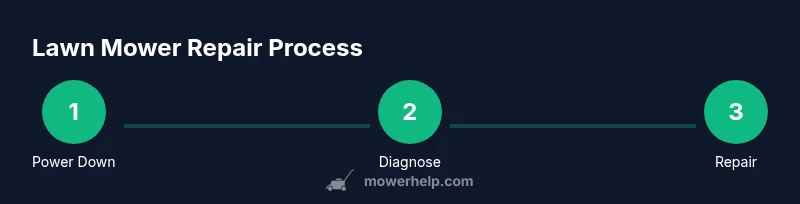
Repair of Lawn Mower: Step-by-Step Guide
Learn how to diagnose, repair, and maintain common lawn mower problems with clear, safe steps, practical tips, and routine maintenance for homeowners and DIY enthusiasts. This guide covers safety, diagnostics, carburetor checks, spark plug and blade care, and when to seek professional help.


According to Mower Help, this guide will help you diagnose and repair common lawn mower problems safely, using a practical, step-by-step approach. You’ll learn essential tasks from safety prep to carburetor checks and blade maintenance, plus a maintenance plan to prevent future issues. Gather basic hand tools, safety gear, and your mower’s model information before you start.
Safety First: Prepare for a Repair
According to Mower Help, safety before any repair is the foundation of a successful DIY fix. Start by turning off the engine and removing the spark plug wire on gas-powered mowers, or disconnecting the battery on electric models. Move the mower to a flat, well-ventilated workspace, set the parking brake or chocks, and wear sturdy gloves and safety glasses. Clear the area of bystanders and keep tools organized. If fuel is present, work in a ventilated area and have a container ready to catch spills. Finally, reference your mower's manual for model-specific safety interlocks and maintenance notes. This preparation reduces risk and makes subsequent steps more straightforward and specifically supports the repair of lawn mower safely.
Diagnosing Common Lawn Mower Problems
When a mower fails to start, runs poorly, or loses power, start with a logical check rather than random part replacement. Common culprits include a fouled spark plug, a clogged air filter, stale fuel, a dirty carburetor, a worn belt, or a dull blade causing resistance. If the engine stalls during idle or under load, inspect the air intake, fuel line, and carburetor for obstructions. Fuel quality matters—use fresh gasoline and appropriate oil mix for two-stroke engines if applicable. For safety, verify the spark plug gap is correct and ensure the blade spins freely with the brake engaged. This structured diagnostic approach helps identify the real fault quickly and avoids unnecessary part changes.
Essential Tools and Materials for a Repair
Having the right tools ready saves time and reduces frustration. Basic essentials include a sturdy work gloves, safety glasses, a metric socket set, screwdrivers, pliers, and a torque wrench if precise fastener torque is required. You may also need a carburetor cleaner, a new spark plug, a clean air filter, replacement belts, an oil drain pan, rags, and a funnel for fluids. Organize items in labeled trays or magnetic bowls to prevent lost screws. For electric mowers, have a multimeter to test the battery or charging circuit. Always keep fuel-safe containers on hand and dispose of old fuel according to local regulations.
A High-Level Step-By-Step Diagnostic Process
- Power down and secure the mower. 2) Inspect interlocks and safety switches. 3) Check the blade for obstruction, damage, or dullness. 4) Test the spark plug and fuel delivery. 5) Inspect air intake and filter; clean or replace if dirty. 6) Examine the carburetor and idle adjustment; clean if gummed. 7) Check belts and pulleys for wear and proper tension. 8) Reassemble, start carefully, and run a short test. This sequence helps isolate issues without unnecessary disassembly. Pro tip: document each action with a photo log for easier reassembly.
Practical Repair Techniques: Carburetor, Spark Plug, Belts, and Blades
- Carburetor: Remove, clean with carb cleaner, and reinstall; adjust idle and mixture following the manual. A gummed carburetor is a frequent cause of stalling and hard starting.
- Spark plug: Inspect condition, gap, and color. Replace if fouled or old; a fresh plug improves ignition and efficiency.
- Belts and pulleys: Check for cracks, glazing, or looseness. Replace worn belts and adjust tension per the mower’s manual.
- Blades: Remove, sharpen or replace dull blades, then balance them to prevent vibration. A sharp, balanced blade cuts cleanly and reduces engine strain.
Maintenance note: after any repair, recheck safety interlocks and test-run the mower on a flat surface to confirm proper operation.
Maintenance Practices to Prevent Future Breakdowns
Establish a simple routine: check oil level if the mower is gas-powered, replace air filters regularly, and use fresh fuel. Clean the deck after mowing to prevent grass buildup, and sharpen blades every season or as needed. Perform a seasonal inspection of belts, pulleys, and safety features, and replace worn components before they fail. Keep a repair log with parts replaced and maintenance dates to spot recurring issues early. Regular preventive maintenance saves time and money and extends mower life.
When to Seek Professional Help
Not every repair should be DIY. If you encounter engine overheating, frozen blades, a cracked housing, or an electrical fault that requires specialized testing equipment, call a licensed technician. If you are unsure about disconnecting fuel lines or handling oil leaks, prioritize safety and seek professional assistance. The goal is a safe, reliable mower that starts reliably and runs smoothly without risk to you or your property. Mower Help recommends professional help when fault isolation exceeds your comfort level or when a safety interlock is compromised.
Safety Warnings and Handling Hazards
Working on lawn mowers involves sharp blades, exposed belts, and hot engine components. Always wear eye protection and gloves, keep hands away from moving parts, and never work with the blade spinning. Allow the engine to cool before touching components that can heat up, such as the exhaust and spark plug. Use only approved fuel and oil types and never mix incompatible fuels. When in doubt, consult the mower's manual or a professional.
Tools & Materials
- Leather or rugged work gloves(Protection for hands)
- Safety glasses or goggles(Eye protection)
- Metric socket set(Torque and fasteners)
- Phillips and flathead screwdrivers(General disassembly)
- Carburetor cleaner(Use in ventilated area)
- New spark plug(Replace if fouled or old)
- Clean air filter(Replace if dirty)
- Replacement belts(Inspect for wear)
- Oil drain pan(Collect fluids safely)
- Funnel and rags(Clean spills and add fluids)
Steps
Estimated time: 2-4 hours
- 1
Power down and secure the mower
Shut off the engine, detach the spark plug lead on gas mowers (or unplug the battery on electric models), and engage the brake. Move the mower to a stable, flat surface and chock the wheels. This prevents accidental startup during inspection.
Tip: Always disconnect ignition sources before touching moving parts. - 2
Check safety interlocks
Test the blade brake, safety switches, and parking brake for proper function. If a switch fails, it can cause unintended operation or hazard during repair.
Tip: A non-working interlock is a common cause of unsafe operation; replace as needed. - 3
Inspect the blade and deck
Look for nicks, cracks, or bent blades. Remove and inspect for balance; a damaged blade can cause vibration or dangerous operation. Clear debris from the deck.
Tip: Balance sharpened blades to prevent vibration and engine strain. - 4
Test ignition and fuel delivery
Check spark plug gap and condition; replace if fouled. Inspect fuel lines for cracks and ensure fuel is fresh. For carburetors, ensure fuel is reaching the intake.
Tip: Work in a ventilated area when dealing with fuel; never stored fuel near heat. - 5
Inspect air intake and carburetor
Remove the air filter; clean or replace if dirty. If carburetor is suspected, clean the jets and passages with carb cleaner following the manual.
Tip: Avoid forcing jets; use proper cleaner and a soft brush. - 6
Check belts and pulleys
Look for wear, cracks, or glazing. Replace if needed and re-check belt tension per the model’s guidance to avoid slippage.
Tip: Remember belt tension affects performance and safety. - 7
Reassemble, test run
Reinstall all components, reconnect fuel and ignition sources, and start the mower in a controlled area. Run through a short test to verify normal operation.
Tip: Start with low throttle and observe for unusual noises or vibrations. - 8
Document and schedule maintenance
Create a quick maintenance log noting parts replaced and dates. Schedule seasonal checks to catch issues before they become failures.
Tip: A simple log makes future repairs faster and safer.
Got Questions?
What is the first step to repair a lawn mower?
Power down the mower, disconnect ignition, and secure the unit before inspecting components. This prevents accidents and allows safe diagnostics.
First, power off the mower, disconnect ignition, and secure it before you inspect any parts.
Why does my lawn mower stall after starting?
Stalling is often due to a fouled spark plug, dirty air filter, stale fuel, or carburetor issues. Check these areas in sequence.
Stalling is usually caused by the spark plug, air filter, fuel quality, or carburetor issues.
Can I sharpen a dull mower blade myself?
Yes, with proper tools and safety, you can sharpen the blade and balance it afterward to prevent vibration.
Yes—sharpening is doable if you take safety steps and balance the blade after.
How often should I replace the air filter?
Inspect the air filter regularly and replace when dirty or in dusty conditions more frequently.
Check the air filter monthly and replace when dirty or clogged.
Is it safe to repair a mower with fuel in the tank?
If fuel is present, work in a well-ventilated area and consider draining it before extensive carburetor work.
Better to work in a ventilated area and drain fuel if you’re doing carburetor work.
When should I call a professional?
If you encounter engine overheating, electrical faults, or components you’re unsure how to test, seek a licensed technician.
Call a professional if you’re unsure about tests or if safety interlocks are unreliable.
Watch Video
The Essentials
- Diagnose first, don't guess on parts.
- Prioritize safety and proper tool use.
- Maintain blades to improve performance.
- Document steps to simplify reassembly.
- Know when to call a professional.