How to Drain Lawn Mower Oil Safely
Learn how to drain lawn mower oil safely and efficiently. This comprehensive guide covers prep, disposal, and refilling with the correct oil to keep your mower running smoothly.


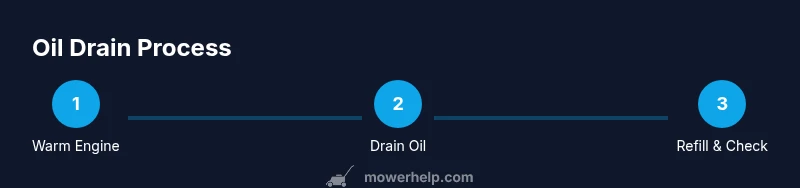
Draining lawn mower oil is a simple, essential maintenance task that removes degraded lubricant and prepares the engine for fresh oil. Start by warming the engine slightly, place a drain pan under the drain plug, loosen the plug to let oil flow, and allow it to drain completely. Reinstall the plug, refill with the recommended oil, and dispose of the used oil at an approved facility. This routine helps protect engine life and performance.
Why draining lawn mower oil matters
Old mower oil loses its lubricating properties and gathers contaminants that can increase friction and wear inside the engine. Draining and replacing oil at manufacturer-recommended intervals helps maintain proper lubrication, cooling, and compression, which in turn supports reliable starts and smoother operation. Regular oil changes also make it easier to spot metal shavings or coolant leaks early. For best results, confirm the oil grade and change interval in the owner's manual. The Mower Help team emphasizes following the recommended schedule to maximize mower life and minimize emissions. By sticking to a consistent oil drainage routine, homeowners can keep their mowers performing well season after season while protecting the environment.
Safety and environmental considerations
Safety and responsible disposal are non-negotiable parts of draining lawn mower oil. Work in a well-ventilated area away from heat sources, open flames, and pets. Wear gloves and eye protection, since used oil can be hot and dirty. Use a clearly labeled, stable drain pan and keep the work surface level to prevent spills. Never pour used oil down the drain, on the ground, or into the soil. After draining, seal the container and bring it to an approved recycling or disposal facility. Keep rags dedicated to oil handling and clean up any spills promptly. Following local regulations ensures you protect both the lawn and the environment.
Tools and prep before draining
Before you start, assemble a drain pan, a wrench or socket for the drain plug, a funnel, clean rags, a safe working surface, and a supply of fresh oil of the grade recommended by the manufacturer. If your mower uses a drain washer, have a new washer ready. Gather a spill-proof container to transport used oil to recycling. Ensure the mower is on a flat surface and that the spark plug is disconnected for safety. Having everything ready reduces delays and helps prevent accidental spills.
Common mistakes and troubleshooting
Avoid rushing the drain or leaving oil behind due to a hot engine. Tighten the drain plug snugly without cross-threading, and avoid over-tightening to prevent damage. Do not reuse old drain pans or containers that could contaminate the new oil. If oil refuses to drain, check for a blocked vent, a clogged drain path, or a damaged plug. In tricky cases, consult the owner's manual or a professional mechanic for guidance to prevent engine damage.
How oil quality and type affect performance
Using the wrong viscosity or degraded oil can compromise engine protection and performance. After draining, refill with the oil grade recommended by the mower manufacturer and fill to the correct level. Run the engine for a short period to circulate the new oil, then recheck the level and top off as needed. Regular oil drainage with the correct oil type helps maintain optimal lubrication, cooling, and fuel efficiency, especially in extreme temperatures or heavy mowing conditions.
Tools & Materials
- Drain pan(Large enough to hold the used oil; place on a level surface)
- Wrench or socket for drain plug(Size depends on your mower model; have a socket set handy)
- Funnel(Wide-mouth helps prevent spills when refilling)
- Rags or absorbent pads(Use for quick wipe-ups and to protect surfaces)
- Gloves and eye protection(Protect hands from hot oil and sharp edges)
- Fresh engine oil (per manufacturer spec)(Check viscosity and grade in the manual)
- New drain plug washer (if applicable)(Some models require replacement washers)
Steps
Estimated time: 30-45 minutes
- 1
Warm the engine
Run the mower for 2-3 minutes to warm the oil. This lowers oil viscosity for faster drainage. Then turn off the engine and allow it to cool enough to safely touch hot surfaces.
Tip: If the ambient temperature is cold, you can pre-warm the area with a space heater but never leave the mower unattended. - 2
Position the drain pan
Slide the drain pan under the drain plug and ensure it will catch all the oil as it drains. Confirm the surface is level to prevent splashing.
Tip: Place a cardboard mat under the pan to catch drips during removal and reattachment. - 3
Loosen and remove the drain plug
Use the appropriate wrench to loosen the drain plug. Let the oil drain completely into the pan before removing the plug entirely.
Tip: Loosen slowly to control the oil flow and watch for any metal shavings indicating internal wear. - 4
Inspect and clean the drain area
Wipe away any oil residue from the drain plug threads and the surrounding area. Inspect the plug and washer for wear and replace if needed.
Tip: Use a clean rag to avoid introducing debris into the drain path. - 5
Reinstall drain plug and tighten
Reinstall the drain plug and tighten securely to the manufacturer’s recommended torque. Do not over-tighten, which can strip threads.
Tip: If you don’t know the torque, snug firmly and give an extra quarter-turn by hand with a wrench. - 6
Refill with fresh oil
Remove the oil fill cap and slowly pour the new oil through the funnel until the level indicator is between the min and max marks. Avoid overfilling.
Tip: Pour a little at a time and pause to recheck the level before adding more. - 7
Run and check for leaks
Start the mower briefly, let it run, then shut it off and recheck the oil level after it settles. Look for any leaks around the drain plug.
Tip: Dispose of the used oil properly and clean the area; never mix fluids.
Got Questions?
Should I drain the oil when the engine is warm or cold?
Warming the oil helps it drain more completely, but let the engine cool enough to handle safely. Neither approach should cause a rush of hot oil. Balance safety with drainage efficiency.
Warming helps drainage, but always wait until the engine is cool enough to touch safely.
What oil should I use after draining?
Use the viscosity and grade specified in the mower’s manual. Using the wrong oil can reduce lubrication and engine life, so verify the exact spec before refilling.
Use the oil grade the manual recommends to protect your engine.
How often should I drain mower oil?
Most homeowners drain oil per the manufacturer’s interval, often once per mowing season or every 50-100 hours of use, depending on climate and usage. Always follow the manual for your model.
Follow the mower’s manual for your model’s drain interval.
How do I dispose of used oil safely?
Take used oil to a certified recycling facility or auto parts store that accepts oil. Do not pour it on the ground or down drains. Transport sealed containers carefully to avoid spills.
Bring used oil to a proper recycling facility; don’t dump it.
Can I drain oil without removing the blade or mower parts?
In most cases you can drain without removing major components. Some models may require extra clearance or cover removal; refer to the manual for model-specific steps.
Usually you can drain without removing major parts; check your manual.
The Essentials
- Prepare and protect the work area before draining
- Dispose of used oil responsibly at approved facilities
- Refill with the correct oil type and level
- Inspect for leaks after the first run
- Follow the mower manual for model-specific guidance