Lawn Mower to Rent: A Practical Guide for Homeowners
Learn how to rent a lawn mower, compare models, plan pickup, and return with confidence. This step-by-step guide helps homeowners choose the right rental mower and avoid common mistakes.


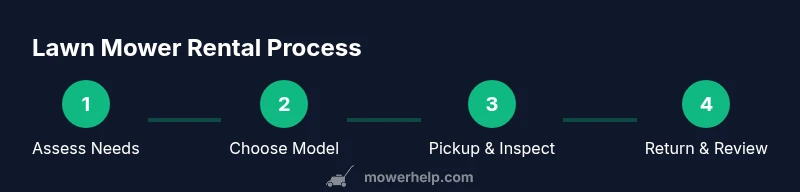
Renting a lawn mower can save time and avoid maintenance costs for short projects. This quick answer shows how to choose the right model, compare rental terms, and prepare for pickup and return. You’ll assess yard size, compare power and cut width, inspect the unit, and follow fuel and safety policies to avoid fees.
Why renting a lawn mower can be smart
Renting a lawn mower to rent is a practical option for homeowners who want reliable power without the long-term commitment of a purchase. If you’re tackling a one-off project or seasonal surge, a mower rental can save time, reduce maintenance, and give you access to newer features. According to Mower Help, choosing the right rental model starts with understanding the yard size, terrain, and preferred mowing style. The Mower Help team found that many DIY homeowners underestimate how much mower power and cutting width they actually need, which leads to choosing the wrong machine and wasting rental days. In practice, renting lets you experiment with electric, gas, or cordless options to see what works best for your yard type.
Understanding yard size and terrain
Before you search for a lawn mower to rent, measure your yard and note any obstacles such as slopes, flower beds, trees, or tight corners. A compact, narrow mower with a small turning radius is ideal for irregular spaces, while larger lawns may benefit from wider cutting width and more horsepower. Terrain matters too: hills or uneven ground may require a self-propelled model with good traction. If you’re unsure, describe your yard to the rental agent and ask which models are best suited for your conditions. This upfront planning helps you avoid renting a mower that is too small or too powerful for the job.
Mower types and features to compare
When you evaluate options, consider fuel type (gas vs electric vs battery), drive system (push, self-propelled, or hydrostatic), cutting width, engine power, blade type, and whether you need bagging, mulching, or side discharge. For small, flat yards, a lightweight electric mower might be ideal and easy to store. For larger or hilly properties, a gas-powered, self-propelled model with a wider cut can reduce mowing time. Look for adjustable cutting height, blade safety features, and easy start mechanisms. Always confirm what comes with the rental (bag, mulch kit, extra blades) and whether you’ll get a brand-new unit or a well-maintained used model. This helps you compare apples to apples instead of substituting terms.
What to check at the rental counter
Before you sign the agreement, ask about fuel policy, maintenance expectations, and what happens if the mower breaks during your rental. Some shops supply a full tank of fuel and expect you to return it full; others provide a policy based on usage. Check if blades are sharp, tires are intact, and safety shields are in place. Confirm the pickup time, delivery options, and how long you have the mower. If you’re mowing a large area, verify the mower’s charging status (for electric models) and the expected run time per charge. Don’t forget to inspect for any cosmetic damage and document it with photos to avoid disputes on return.
Inspecting the mower at pickup
When you receive the mower, do a quick hands-on inspection: start the engine, check for unusual noises, test the brake/kill switch, and run the blade to ensure smooth operation. Look for blade shielding, guards, and discharge chute condition. Verify the fuel gauge or battery level and ask about recharging or refueling procedures. If anything seems off, request a replacement before you leave the counter. Taking photos of the setup and including the model number in the rental agreement helps resolve any post-use questions.
Operating safely and efficiently
Safety should be your top priority. Wear eye protection, hearing protection, sturdy closed-toe shoes, and gloves. Clear the mowing area of debris and pets, and keep kids and pets away. Start away from buildings or fences and push the mower forward with a steady pace. If you encounter a slope, take your time and use a lower cutting height to reduce strain. For electric models, monitor battery levels and have a plan if you run out of power mid-mow. Always switch off the blade before moving between areas and disengage the drive when turning.
Cost considerations and rental duration
Most stores offer daily, weekend, and weekly rental options. Prices vary by yard size, mower power, and duration, so plan ahead to minimize costs. Some locations charge a deposit, and there may be late fees if you keep the mower longer than agreed. If your yard work extends beyond the planned period, ask about renewal options and any prorated rates. Always factor in fuel or charging costs and the return policy to avoid unexpected charges. A clear agreement helps you stay within budget and reduce stress.
Return and aftercare
Return the mower with the same fuel level or battery charge as when you picked it up, depending on the policy. Clean off grass clippings to avoid cleaning fees, and take photos of the unit at return time. Verify the final bill and deposit refund timing. If you incur damage, report it immediately and document with notes and photos. Storing the mower in a clean, dry area and following the policy on spare parts helps you avoid disputes on return.
Alternatives and long-term planning
If you mow regularly, consider whether renting remains the most economical option. A borrowed mower from a neighbor or a community tool library can bridge the gap between short-term needs and ownership. Evaluate whether the cost of renting over several seasons adds up to or exceeds the price of owning a mower. Mower Help recommends weighing maintenance costs, storage, and transportation when deciding between renting and buying. Planning ahead can save time and money in the long run.
Authority sources and safety reminders
For additional safety guidance, refer to established resources. The U.S. Consumer Product Safety Commission provides general lawn mower safety tips, while university extension programs offer yard-specific advice. See resources such as CPSC safety materials, and extension pages for mower maintenance and safety recommendations. These sources help ensure you rent and operate responsibly.
Tools & Materials
- Driver's license or government-issued photo ID(Needed for rental agreement and age verification (often 18+).)
- Credit card or debit card(Used to secure deposit and payment; check store policy.)
- Proof of insurance or coverage (if required by store)(Some locations may require it for premium equipment.)
- Personal protective equipment (PPE)(Eye protection, hearing protection, gloves; recommended for safety.)
- Fuel policy information(Know if you return full, refuel yourself, or if tank is topped off.)
- Phone or charger(For contacting support or coordinating delivery.)
Steps
Estimated time: 60-90 minutes
- 1
Assess your yard needs
Calculate your yard size, slope, and obstacles to determine the mower type and power you’ll need. This helps you avoid renting a mower that’s too weak or too bulky for the job.
Tip: Bring a rough map or measurements to the rental counter to speed up the process. - 2
Find rental options
Search nearby equipment rental shops or hardware chains. Compare daily and weekly rates, delivery options, and included accessories to find the best value.
Tip: Call ahead to reserve the model you want during peak mowing seasons. - 3
Compare models and terms
Review fuel policy, deposit requirements, and whether you’ll receive a full-tank unit or battery charge. Confirm return expectations and any late fees upfront.
Tip: Ask about extension options if your project timeline changes. - 4
Inspect mower at pickup
Check blade condition, guards, tires, and safety switches. Start the mower and listen for unusual noises. Document any damage and keep photos for your records.
Tip: Test the blade rotation and ensure the safety switch kills the engine when released. - 5
Learn the basics and safety
Review the operator’s manual, starting procedure, and safety features. Ensure you know how to adjust cutting height and how to stop quickly in an emergency.
Tip: Wear PPE and clear the area of children and pets before mowing. - 6
Return the mower properly
Clean off grass, refill fuel or recharge, and ensure all accessories are accounted for. Confirm the final bill and deposit return timing with staff.
Tip: Take photos of the unit post-cleaning and keep the receipt until funds are returned.
Got Questions?
Is renting cheaper than buying a lawn mower?
Renting is often cheaper for short-term use or one-off projects, while buying can save money over multiple seasons. Consider yard size, mowing frequency, and maintenance costs when deciding.
Renting can be cost-effective for occasional use, but buying may pay off for frequent mowing. Consider how often you’ll need the mower and maintenance costs.
What should I check at pickup before taking it home?
Check blade sharpness, safety shields, tires, and engine or battery status. Test start the mower and confirm fuel or charge levels. Document any pre-existing damage with photos.
Inspect blades, safety guards, tires, and start the mower to verify it operates safely.
Do I need a deposit or insurance?
Many stores require a deposit or hold on a card; some offer insurance options. Always confirm deposit size, return conditions, and what happens if damage occurs.
Most places require a card hold or deposit. Confirm coverage options and what damages are excluded.
Can I rent an electric mower for hilly terrain?
Electric mowers can handle gentle slopes, but check battery life and power for steeper terrain. For very hilly yards, a gas-powered model may perform more reliably.
Electric mowers work for gentle hills if the battery lasts; for steep terrain, consider gas-powered options.
What if the mower breaks during my rental?
Notify the rental shop immediately. Most stores provide replacement or repair options, and you’ll be billed according to the policy for damage.
If something goes wrong, tell the shop right away and follow their guidance for replacement or repair.
How long can I rent a mower for?
Most stores offer daily, weekly, or monthly terms. Choose the option that matches your mowing schedule to avoid penalties.
Rent for the length you need, whether a day, a week, or longer, to fit your project.
The Essentials
- Define yard needs before selecting a model.
- Check fuel policy and return terms upfront.
- Inspect the unit and test run before leaving the counter.
- Rent only when the cost and schedule fit your project.