Rent a Lawn Mower: A DIY Guide to Rentals
Learn how to rent a lawn mower with confidence. This step-by-step guide covers when to rent, how to compare options, safety basics, and the return process to keep your lawn looking sharp without ownership clutter.


By renting a lawn mower, you can tackle seasonal mowing without a long-term purchase. This guide helps you choose the right model, locate reliable rental options, verify the mower at pickup, operate safely, and return it properly. You'll need a valid photo ID and a payment method, plus basic knowledge of fuel and safety policies.
Why rent a lawn mower
Renting a lawn mower is a smart move when your yard is large, uneven, or you only need occasional mowing for a season. The phrase rent a lawn mower is common as homeowners weigh short-term convenience against the cost of ownership. The Mower Help team found that renting can save money and storage space for seasonal users, and it gives access to higher-powered or specialty machines that you might not want to buy. When you rent, you can select models that suit turf type, lawn size, and terrain, from push mowers for small lawns to walk-behind or riding units for larger properties. This flexibility helps you finish tasks faster and with less fatigue, especially during peak mowing windows. You’ll also get maintenance and repair support from rental providers, which reduces downtime if something goes wrong. By understanding the basics, you can choose a rental plan that matches your needs without committing to a long-term purchase.
When to rent instead of buying
There are several scenarios where renting a lawn mower makes sense. If your lawn grows seasonally or temporarily expands, renting avoids a large upfront cost and depreciation. For DIY projects like estate cleanups or property staging, rental provides access to heavier-duty equipment that might be impractical to own. If you’re new to lawn care, renting lets you test different models before deciding whether to buy. And if your storage space is tight or climate makes maintenance burdensome, renting reduces clutter and seasonal maintenance tasks. The decision to rent a lawn mower should balance your budget, the time you have to mow, and how often you’ll need the machine. In many regions, rental fleets include electric and gas options with varying blade sizes and cut heights, so you can match the tool to your yard’s needs without a long-term commitment.
How rental options work
Most rental shops and home improvement retailers offer short-term and long-term options for rent a lawn mower. You’ll typically pay a daily, weekly, or monthly rate, along with a refundable security deposit. Some locations include fuel or maintenance in the rate, while others bill separately for refueling or repairs. When you arrive, staff will help you select a model based on yard size, terrain, and user experience. Expect a brief safety briefing and a test run to confirm starting, cutting height, and maneuverability. The rental agreement will spell out fuel policy, damage coverage, and return conditions. If you’re unsure about the compatibility of accessories (bagging systems, mulching, or bag collectors), ask before you sign. Keep a copy of the agreement and notes about any pre-existing damage so you’re not charged later for pre-owned issues.
What to check before you rent
Before you say yes to a rental, perform a quick, thorough check of the mower. Look for fluid leaks, cracked handles, and loose blades. Test the engine or motor, listen for unusual noises, and verify the throttle, choke, and safety switches work as expected. Confirm the model matches your plan: a light-duty push mower for a small yard, a robust self-propelled or riding mower for a large, flat lawn, or a machine designed for hilly or rough terrain. Ask about blade height ranges and whether the mower comes with necessary accessories. Confirm fuel type and the fuel policy for return; improper refueling can lead to messy charges. Finally, check the safety features, such as blade shutoffs and dead-man switches, to ensure you and family members stay safe during operation.
Safety and operating basics
Renting a lawn mower still requires responsible operation. Wear sturdy footwear, long pants, and eye protection when cutting, and keep bystanders away. Read the user manual that arrives with the machine; if you’re unsure, request a quick walkthrough from the staff. Start with a small, test pass to get a feel for the mower’s acceleration and turning radius. Always engage the blade guard and ensure the area is clear of rocks, sticks, and debris. If you’re mowing on slopes, use slow, controlled passes and avoid turning on steep grade. If fuel is involved, store it properly and never refuel near an open flame. After use, clean the blades and deck to prevent rust and wear, and store the mower in a dry, ventilated area as requested by the rental provider. This is where the Mower Help guidance can help you stay ahead of issues you might encounter.
Pickup, use, and return procedure
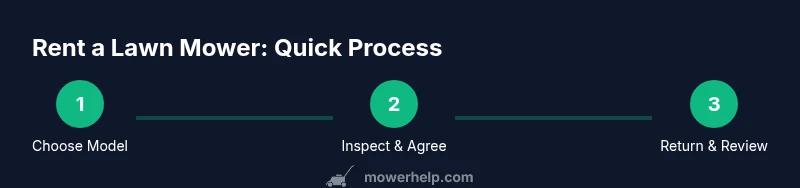
Plan to arrive with your ID and payment method at the designated time. The staff will inspect the unit with you, noting any pre-existing damage. Take photos or video of the mower from multiple angles to create a condition log. When you’re finished mowing, empty the grass catcher and clean the deck before returning. Return the mower to the agreed location and in the condition described in the contract. If you’ve used fuel, refill or dispose of fuel per policy, and get a receipt. Finally, confirm your refund of the security deposit or any additional charges with the rental desk. Following these steps ensures you rent a lawn mower smoothly and avoid disputes later.
Budget, pricing, and cost-saving tips
Pricing for rent a lawn mower varies by region, season, and duration. Look for daily or weekly discounts, and consider combining with other tool rentals to reduce fees. Ask about promotions, loyalty programs, or student/senior discounts where available. If you only need mowing for a few hours, a half-day rate can be more economical than a full day. Consider renting during off-peak times when inventory is higher and prices may be lower. Always compare models not just on price but on expected performance for your yard. Finally, plan your mowing schedule to minimize idle time and avoid rush-hour charges or weekend surcharges often applied by rental shops.
Alternatives to renting
If you want to minimize expenses, explore alternatives before renting. Borrow from a neighbor or friend for a one-off job, share a rental with a neighbor to split costs, or join a local tool library that offers lawn care equipment. You can also check if a local hardware store offers a small weekend rental program. For the rare homeowner who needs mowing only once, this can be a practical bridge between a long-term purchase. If you decide to rent again in the future, keep a note of which shop provided the best service to streamline future decisions.
Common mistakes and how to avoid them
Avoid underestimating yard size or obstacle density when selecting a model. Choosing a too-small mower leads to longer mowing times and fatigue, while an overpowered unit may be unnecessary and harder to manage. Skipping the safety briefing or neglecting fuel policies can cause delays or damage. Failing to inspect the unit on pickup may leave you paying for pre-existing issues. Not understanding return conditions can lead to unexpected charges. Finally, failing to document the device condition can cause disputes about wear and tear. By following these tips, you can keep the rental experience smooth and productive and ensure you rent a lawn mower that fits your property.
Next steps: making rent a lawn mower work for you
Now that you know how to rent a lawn mower effectively, put the plan into action. Start by listing tasks and estimating how many days you’ll need a mower. Contact local rental operators to confirm availability, and ask about fuel policies, maintenance, and deposits. Reserve a unit for a specific window and prepare your lawn before pickup. On the day of pickup, bring your ID and payment method, double-check the model, and read the contract. After mowing, return quickly and with proper cleanup to keep your rental history favorable. With this approach, rent a lawn mower becomes a flexible tool in your DIY toolkit.
Tools & Materials
- Photo ID (driver's license or passport)(Required to verify identity and age; some shops require 18+.)
- Major credit card or debit card(Used for security deposit and payment; ensure it is in the renter's name.)
- Proof of address(Optional in some locations; helps with verification.)
- Appropriate footwear and weather-appropriate clothing(Safety-first: closed-toe shoes and non-slip boots recommended.)
- Knowledge of mower type needed (gas vs electric)(Helpful for model selection; staff can advise on-site.)
Steps
Estimated time: Estimated total time: 2-3 hours
- 1
Assess needs and pick a mower type
Evaluate lawn size, terrain, and slope. Choose between push, self-propelled, or riding options based on efficiency and fit. This initial step ensures you rent a mower that matches your task, reducing time and fatigue.
Tip: Document yard dimensions and note any obstacles before you shop. - 2
Find rental options
Search nearby rental shops or big-box stores for rent a lawn mower. Compare daily or weekly rates, availability, and whether fuel or maintenance is included. Shortlist models that fit your yard and budget.
Tip: Call ahead to confirm stock and reserve in advance during peak season. - 3
Inspect mower at pickup
Do a quick visual and functional check: blade condition, start/run test, safety switches, and fuel level. Take photos of any existing damage to avoid later charges and confirm the model matches your plan.
Tip: Ask staff to demonstrate starting and basic operation if you’re unsure. - 4
Review rental agreement
Read fuel policy, return conditions, and coverage for damage. Note any penalties for late returns, fuel defects, or tool misuse. Keep a copy of the agreement and contact info.
Tip: Clarify who is responsible for pre-existing issues before mowing begins. - 5
Operate safely
Wear protective gear, follow manual guidelines, and keep bystanders away. Start with short passes in open areas to tune your grip, speed, and blade height. Avoid mowing on steep slopes.
Tip: Have a plan for refueling and storage to prevent spills or accidents. - 6
Return and finalize
Clean the deck and blades, empty grass catchers, and refuel if required. Return to the designated location with receipts and a clear condition log. Confirm any deposit refund.
Tip: Bring a final checklist to ensure you didn’t miss any return steps.
Got Questions?
Is renting a lawn mower cheaper than buying for a short-term job?
In many cases, renting can be cheaper for a one-off job or seasonal need because you avoid upfront costs, maintenance, storage, and depreciation. Compare total rental costs with the price of a mower you would use for a limited time.
Renting can be cheaper for a short-term job because you avoid upfront costs and ongoing maintenance. Compare the rental total with the cost of buying and keeping the mower for the season.
What documents do I need to rent a lawn mower?
You’ll typically need a valid photo ID and a payment method. Some locations may request proof of address or an extra security deposit. Always confirm requirements with the rental desk before you arrive.
Bring a photo ID and a payment method. Some places may ask for address verification or a deposit, so check ahead.
Can I rent a mower for a weekend or shorter period?
Yes, many shops offer daily or half-day rates. Short-term rentals are convenient for single projects, and some venues blend rates to minimize idle time. Review the return policy to avoid late fees.
Yes, most shops offer short-term options like daily or half-day rates. Check the return policy to avoid extra charges.
What safety checks should I perform before mowing?
Ensure blades are secure, guards operate, and safety switches work. Test start the engine or motor and confirm fuel type and levels. Wear protective gear and check the mowing area for obstacles.
Check guards and switches, test start, and wear protective gear before mowing.
What happens if the mower breaks during my rental?
Notify the rental provider immediately. Most outfits offer on-site assistance or replacement units. Do not attempt major repairs; document the issue with photos for the claim.
If it breaks, tell the rental shop right away. They’ll guide you to a replacement or repair, and you should document the issue.
Do I need to refill fuel before returning the mower?
Fuel policy varies by provider. Some require full tanks, others bill refueling fees. Confirm the policy when you pick up the mower and keep a receipt for any refills.
Some shops want a full tank back, others charge for refueling. Check the policy and keep your receipt.
Watch Video
The Essentials
- Rent a mower when needs are seasonal or temporary.
- Check model type, safety, and fuel policy before renting.
- Inspect upfront, document damages, and keep records.
- Compare pricing and inclusions to maximize value.
- Return in good condition with clean equipment to avoid extra charges.