Can You Rent Lawn Mowers in 2026? A Complete How-To
A practical guide to renting lawn mowers: where to rent, how to compare models, safety tips, and money-saving strategies for homeowners and DIY enthusiasts.


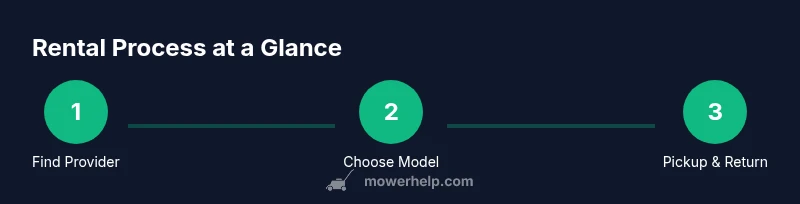
Yes, you can rent lawn mowers from hardware stores, rental yards, and some retailers. To get the right machine, determine your yard size, terrain, and whether you need gas, electric, or battery power. Steps: 1) pick a provider, 2) compare models by horsepower and cut width, 3) reserve, 4) inspect, and 5) return.
Can you rent lawn mowers? A practical introduction
Yes—can you rent lawn mowers? The short answer is yes, and it's often a smart choice for seasonal projects, homeowners testing new models, or tackling a large yard without committing to a purchase. According to Mower Help, rental options have grown to include local tool yards, big-box home improvement stores, and even online marketplaces that deliver to your door. This flexibility can save you money and storage space while giving you access to higher-powered machines you might not own. When you’re deciding whether to rent, consider how long you’ll need the mower, how often you’ll cut, and what kind of terrain you’ll face. If you need a one-off cut after a storm or a weekend project, rental is typically more practical than buying. In this guide we’ll break down available rental options, what to look for in a mower, safety requirements, and how to return the machine without hassles.
Rental options and typical pricing considerations
Rental options range from national chains to local tool yards. Hardware stores and big-box retailers often provide daily or weekend rates and may offer delivery. Local rental centers can have more flexible terms, sometimes with longer rental windows or loyalty discounts. Some municipalities even host tool libraries where members borrow equipment at low or no cost. Always check for insurance or damage waivers, delivery fees, fuel policies, and late fees before you sign. The goal is to understand total cost and responsibility, not just the sticker price. Based on Mower Help analysis, flexible pickup options and clear fuel policies are the biggest drivers of customer satisfaction in mower rentals.
How to choose the right mower for your yard
Think about yard size, terrain, and whether you want a gas, electric, or battery-powered model. For small, flat lawns, a light electric or battery mower may suffice and be quieter. For larger or uneven terrain, a self-propelled gas model with a wider cutting width can reduce effort and time. Check the blade condition, oil level, and safety features such as blade brake and operator presence switch. If you’ll be cutting tall grass or you have slopes, consider a model with higher horsepower and reliable traction. Waterfront or wet conditions require weather-rated equipment and careful handling. This section helps you map your needs to model specs so you don’t pay for features you won’t use.
The rental process: what to expect and how to prepare
Start by researching providers in your area and compiling a short list of contenders. Contact them to confirm model availability, delivery options, and required identification. When you reserve, specify dates, pickup time, and any add-ons like catcher bags or mulching blades. On pickup, inspect the unit for blade sharpness, fuel level, and any existing damage; report issues before you leave. Return the mower with the same fuel level (or as policy dictates) and in clean condition to avoid extra charges. If you’re unsure about policies, ask to see a written contract or receipt before you sign. This planning reduces the risk of surprise fees.
Safety, usage, and care during and after rental
Never operate a mower without PPE: closed-toe shoes, gloves, and eye protection. Read the safety manual and inspect for loose guards, damaged cords, or fuel leaks. Use proper starting procedures, avoid tall grass or rocks, and never mow on steep slopes. After use, clean the deck and blades and store the mower in a dry place. Return the unit promptly; report any issues and keep receipts. Following these steps protects you and extends the machine’s life beyond the rental period.
Money-saving tips and common pitfalls to avoid
Plan your rental window to minimize days and maximize use. Ask about delivery and pickup fees, and whether you can pick up during off-peak hours for lower rates. Compare included accessories, like baggers and mulching blades, because some packages offer better value. Read the fine print about fuel policy and deposits to avoid surprises. Common mistakes include underestimating yard size, ignoring slope limits, and returning late or dirty equipment.
Authority sources and further reading
For safety guidelines and rental best practices, consult reputable sources. OSHA provides equipment operation safety basics. Extension services offer practical lawn-care advice from universities. The FTC’s consumer protection tips help you understand rental agreements and deposits. See these resources for more details:
- https://www.osha.gov
- https://extension.illinois.edu
- https://www.consumer.ftc.gov
Tools & Materials
- Valid photo ID (driver’s license or passport)(Ensure the name matches the rental agreement)
- Credit or debit card for deposit and payment(Some shops place a hold; check your bank policy)
- Proof of address (optional)(Delivery verification may require address checks)
- Closed-toe shoes and work gloves(Safety gear for pickup and operation)
- Fuel for gas mowers or a fully charged battery(Some rentals include fuel; confirm before pickup)
Steps
Estimated time: 2-4 hours
- 1
Define your lawn needs
Assess yard size, terrain, and your preferred power source (gas, electric, or battery). This determines the class and features you’ll look for, such as self-propelled drive, cutting width, and weight. Start with a simple measurement and note any slopes or obstacles.
Tip: Have a rough map of your yard and note problem areas to match model capability. - 2
Find rental providers
Search locally for mower rental shops, hardware stores with rental desks, and any delivery-based services. Compare hours, delivery options, and whether you can reserve online or by phone.
Tip: Check service areas and read recent customer reviews for delivery reliability. - 3
Compare models and terms
Evaluate horsepower, cut width, deck condition, fuel policy, and included attachments like baggers. Clarify deposits, late fees, and whether you must return with the same fuel level.
Tip: Ask for a quick model demo or a photo of the actual unit you’ll receive. - 4
Reserve and confirm
Lock in dates, confirm pickup or delivery windows, and list any add-ons. Request written confirmation and a copy of the rental terms.
Tip: If possible, request a weather-adjusted pickup window to avoid delays. - 5
Inspect at pickup
Check blade sharpness, deck cleanliness, fuel or battery charge, and obvious damage. Note anything and report before leaving the lot; take photos if needed.
Tip: Test-start the mower to ensure it runs smoothly and safety features engage. - 6
Return and verify charges
Return on time with the required fuel level and in clean condition. Obtain a receipt and review charges for any extras, such as cleaning or late return fees.
Tip: Capture final photos of the unit before handing it back as a reference.
Got Questions?
Can you rent riding lawn mowers?
Yes, some rental shops offer ride-on mowers, but availability varies by location and season. Be prepared to meet height and license requirements and to select models suitable for your yard size.
Yes, you can rent riding lawn mowers in some places, depending on size and availability.
What should I look for when comparing rental mowers?
Look at engine type, cutting width, self-propel features, deck condition, and safety features. Also check fuel policy and included attachments.
When comparing mowers, check engine type, cutting width, self-propel, and safety features.
Do rental stores require a deposit?
Many stores place a security hold on your card or require a cash deposit. Terms vary by location and rental duration.
Most stores require some form of deposit or hold, which varies by location.
Is renting cheaper than buying?
Renting can be cheaper for short-term use or one-off projects, while buying may be more economical long-term depending on usage.
Renting is often cheaper for short-term needs; buying pays off only with frequent use.
What about fuel and maintenance policies?
Most rentals provide a mower with a defined fuel policy; some include fuel or require returning with the same level. Maintenance is usually handled by the rental shop.
Fuel policy varies; maintenance is usually handled by the rental shop.
What documents should I bring?
Bring ID, a payment method, and confirmation of rental dates. Some shops may require proof of address for delivery.
Bring ID and a payment method; have your rental confirmation handy.
The Essentials
- Rent when it fits your project duration.
- Compare models by power, width, and safety features.
- Inspect before pickup and document conditions.
- Return with proper fuel level and clean unit to avoid fees.