How Do Lawn Mower Blades Go On
A thorough, step-by-step guide to installing lawn mower blades with safety checks, proper orientation, torque guidance, balancing, and troubleshooting for DIY homeowners.


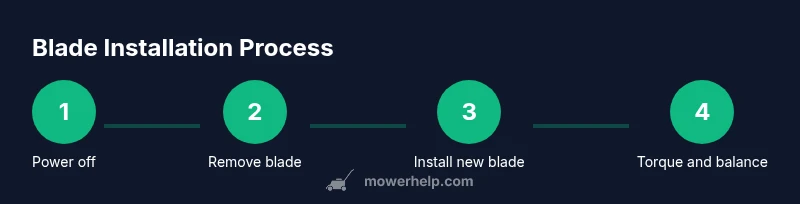
Install mower blades by first powering off the mower and disconnecting the spark plug. Remove the old blade, check the spindle and blade bolts, then mount the new blade with the correct orientation (blade tips pointing forward on most models). Tighten to the specified torque and test for balance. Expect about 10-15 minutes for a careful swap.
Safety and compatibility basics
Before you touch the blade on any mower, understand safety and compatibility. Installing an incorrect blade or misorienting the edge can injure you, damage the spindle, or create an uneven cut. According to Mower Help, most injuries occur when people service a mower while it is energized or when using a blade that doesn’t match the deck design. Start by identifying your mower model and blade type. Check the owner's manual or the manufacturer’s site for the proper blade shape, mounting pattern, and torque range for the blade bolt. If you’re unsure, pause and consult a dedicated repair guide before proceeding. This foundational step reduces risk and protects your investment.
Blade types and orientation
Lawn mower blades come in several designs: standard high-lift blades, mulching blades, and low-drag designs. The orientation of the blade matters: the sharp edge should face the direction of rotation so the air and cut are directed toward the mower deck. Some blades have a bevel on one side; others are symmetric. If the blade has a stamped direction (an arrow or “forward” mark), follow it precisely. If you’re unsure about a specific model, check the user manual or the blade packaging. A wrong orientation can reduce cutting efficiency and cause vibration.
Tools and safety gear you’ll need
Before you begin, assemble essential tools and safety gear in a clear workspace. You’ll typically need gloves with cut resistance, eye protection, a torque wrench or socket wrench, a blade removal tool or spare block of wood, the correct replacement blade, a clean rag, and the mower’s manual. Optional items include a penetrating oil for stubborn bolts and a second person to help brace the blade during removal. Keeping tools organized minimizes missteps and speeds up the process.
Preparing the mower and deck
Prepare the mower by disconnecting the power source: unplug the spark plug boot on gas mowers or remove the battery on electric models. If the deck is dirty, clean it first to avoid debris entering the spindle. Raise the mower or tilt slightly so you can access the blade bolt without obstruction. Confirm the blade is not under tension and that the deck is stable before proceeding. A secure setup reduces the chance of slips and injuries during blade removal.
Removing the old blade
Grasp the blade with a gloved hand or use a blade holder, preventing it from snapping toward your body. Loosen and remove the blade bolt or nut in the correct direction (many mowers use a standard clockwise loosen pattern, but some brands use reverse threads). Remove any washers or spacers in the same order they came off, and note their orientation for reassembly. Clean the spindle to remove dirt and grass buildup. If the bolt is stubborn, apply a small amount of penetrating oil and wait a minute before retrying.
Installing the new blade correctly
Inspect the new blade for shipping damage. Align the blade so the correct side faces the deck and the cutting edge is oriented forward. Place any washers or spacers in their original positions. Hand-tighten the bolt, then finish with a wrench to avoid cross-threading. Avoid overtightening, which can strip the bolt or warp the blade. On many models, the blade will seat into a spindle hub with a flat face that aligns with a notch or flat on the bolt.
Torque and fasteners: get it right
Torque is critical for safe operation. Always follow the torque specification in your mower’s manual or blade packaging. If you don’t have the spec handy, consult the manufacturer’s website or customer support. Use a torque wrench to apply the recommended torque in the correct pattern (often a star or alternating corner sequence to ensure even seating). Recheck the torque after a brief test run to account for any bolt settling.
Balancing the blade and reattaching
A balanced blade minimizes vibration and wear on bearings. Place the blade on a balancing tool or a nail in a wall to verify balance; if it tips to one side, the blade may be warped and should be replaced. Reinstall the blade with the same orientation checked earlier, tighten the bolt again, and recheck that the blade sits flush against the spindle.
Safety check after installation
Lower the mower deck and remove any tools from the work area. Reconnect power (spark plug or battery) and perform a slow, short test run with the mower in a clear area. Listen for unusual noises or vibrations; if you notice any, stop and inspect the blade and bolt integrity. Regularly inspecting the blade post-installation helps prevent future issues and keeps mowing safe.
Common mistakes and troubleshooting
Common mistakes include installing the blade upside down, using the wrong bolt size, or neglecting torque and balance. Debris buildup around the spindle can stall removal or reassembly. If the blade won’t sit flat, re-check spacers and the blade’s orientation. If a blade shows visible cracks or bends, replace it immediately rather than attempting a repair.
The Mower Help approach and final notes
The Mower Help team emphasizes safety first: always de-energize before any blade work and verify blade compatibility with your deck. Mower Help analysis shows that improper orientation and loose bolts are among the most common installation mistakes. For best results, follow your model’s manual, balance the blade, and perform a post-installation safety check as a final habit. The team’s advice is to treat blade installation as a small maintenance project with big payoff in cutting efficiency and mower longevity.
Next steps: maintenance and long-term care
After installing a blade, schedule periodic checks: inspect for wear, balance, and secure mounting before every season. Keep blades sharp and balanced; dull, damaged blades reduce performance and increase stress on the engine. Record your maintenance in a simple log to track when you replaced the blade and when you serviced the spindle or bearings.
Tools & Materials
- Gloves (cut-resistant)(Protection for hands when removing blades and handling sharp edges)
- Eye protection(Goggles or safety glasses to guard against debris)
- Torque wrench(Use to achieve manufacturer-recommended bolt torque)
- Socket wrench or ratchet set(Size depends on your blade bolt head)
- New mower blade(Ensure it matches your mower model and deck year)
- Blade removal tool or block of wood(Helpful to prevent blade from turning during removal)
- Penetrating oil(For stubborn bolts (apply sparingly))
Steps
Estimated time: 20-30 minutes
- 1
Power off and secure the mower
Power off the mower and disconnect the spark plug boot (or remove the battery on electric models). Move the mower to a flat, stable surface and engage any safety locks. This step eliminates the risk of accidental starts while you work.
Tip: Always assume the blade is sharp; wear gloves during initial handling. - 2
Prepare the work area
Clear debris from the deck and surrounding area. Set a tray or mat under the blade area to catch dropped bolts or spacers. If your mower requires, raise the mower or tilt it to access the blade bolt easily.
Tip: Use good lighting so you don’t miss a washer or spacer. - 3
Remove the old blade
Hold the blade with a gloved hand or blade wrench to prevent rotation. Loosen and remove the blade bolt in the correct direction. Remove any washers or spacers and note their order for reassembly.
Tip: If the bolt is stuck, apply a small amount of penetrating oil and wait 60 seconds before retrying. - 4
Inspect the spindle and components
Wipe clean the spindle and check for wear or damage. Look for cracks in the blade mount point and inspect the washers or spacers for wear. Replace any damaged parts before proceeding.
Tip: Do not reuse bent or damaged spacers. - 5
Install the new blade with correct orientation
Position the new blade so the stamped orientation or bevel faces the correct direction. Align the blade with the spindle and slide it into place. Add spacers if required and thread the bolt by hand.
Tip: Ensure the blade sits flat against the spindle before tightening. - 6
Torque and secure the blade
Use a torque wrench to tighten the blade bolt to the manufacturer-recommended specification. If your model uses a reverse-thread bolt, follow the correct pattern to avoid cross-threading.
Tip: Tighten in a crisscross or star pattern if applicable and recheck torque after a short run. - 7
Balance and final check
Balance the blade using a simple balancing method or balancer tool. If the blade tilts, replace it rather than attempt to bend it. Reattach the blade and verify the bolt is secure.
Tip: A balanced blade minimizes vibration and prolongs mower life. - 8
Test run safely
Lower the mower, reconnect power, and perform a slow test cut in a clear area. Listen for abnormal noises or vibrations and stop immediately if anything seems off.
Tip: Keep hands away from the blade area during start-up.
Got Questions?
What side of the blade faces up during installation?
Most blades have a specific bevel or stamped orientation; the sharp edge should face the cutting direction. Always confirm with your mower’s manual or blade packaging before installation.
Most blades have a facing direction; check the manual to confirm which side goes up.
Can I reuse the old bolts or washers after replacing the blade?
In many cases you should replace bolts and spacers if the manufacturer recommends it or if the parts show wear. Using worn hardware can lead to looseness or failure.
Replace any worn bolts or spacers according to the manual.
What should I do if the blade won’t come off easily?
Apply penetrating oil and wait for a minute while ensuring the mower is de-energized. Gently use a blade removal tool or a wrench to help loosen it without breaking the spindle.
Bleed around the bolt with a little oil and try again after a moment.
Is it safe to install a blade without removing the spark plug?
For safety, disconnect the spark plug or battery no matter what. This prevents accidental starts and protects you while you work.
Always disconnect power source before any blade work.
How often should I sharpen or replace mower blades?
Sharpening frequency depends on use; inspect the edge regularly. Replace blades if they are nicked, cracked, or severely worn.
Inspect blades regularly and replace when you notice damage or heavy wear.
Watch Video
The Essentials
- Disconnect power before starting any blade work
- Align blade orientation to model spec
- Tighten bolts to the correct torque and verify balance
- Inspect for wear or damage on spindle and spacers
- Test run in a safe area before normal use