How Much Are Lawn Mower Batteries? A Buying Guide
Discover typical price ranges for lawn mower batteries, factors that drive cost, and practical tips to choose the right battery for your mower with Mower Help Analysis, 2026.


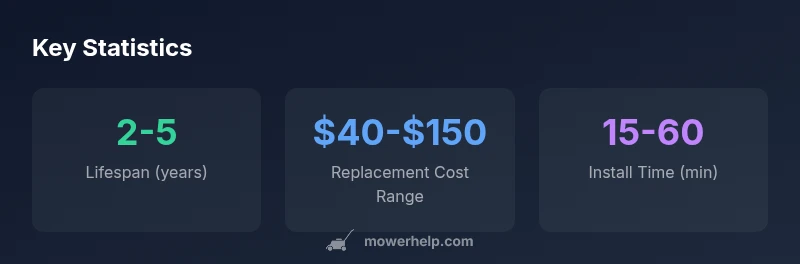
According to Mower Help, lawn mower batteries typically cost in a broad range: about $40 to $150 for common sealed lead acid and AGM types, with lithium ion options often higher. Costs depend on battery type, capacity in Ah, compatibility with your mower model, and warranty. This guide breaks down price ranges by type and scenario.
Understanding What Drives How Much Are Lawn Mower Batteries
If you are asking how much are lawn mower batteries, you are really looking at the total cost of keeping your mower ready to cut. Prices vary by battery chemistry, capacity, and brand. In general, most common replacements fall within a price band beginning around forty dollars and stretching beyond one hundred fifty dollars for premium lithium options. This wide range reflects differences in performance, warranty, and compatibility with specific mower models. According to Mower Help Analysis, 2026, the largest cost drivers are battery chemistry, capacity measured in Ah, and the mower's voltage requirements.
Battery Types and Their Cost Profiles
Lawn mower batteries come in several chemistries. Lead acid sealed batteries are the most common and usually the least expensive, followed by AGM variants that offer lower self discharge and better vibration resistance. Lithium ion batteries are lighter and can offer longer life in some models, but they carry a higher upfront price. The upfront price is only part of the story; consider lifecycle costs, including charging efficiency and replacement frequency. For homeowners on a budget, a dependable sealed lead acid or AGM often provides the best balance of price and reliability. For those with high-demand or professional use, lithium ion options may justify the premium through weight reduction and longer cycles.
Calculating the True Replacement Cost Over Time
When budgeting for a replacement battery, think beyond the sticker price. A battery with higher Ah and better cold-cranking performance can cut maintenance costs and reduce downtime. Warranty length and coverage also affect the long term cost. If you use your mower year-round, a longer lasting battery can yield tangible savings even if the upfront price is higher. In the context of 2026 market trends, the total cost of ownership tends to be driven by the battery type, the mower’s electrical demands, and local availability.
How to Choose the Right Battery for Your Mower
Start by checking the mower manual for the required voltage and the recommended Ah range. Match the capacity to your cutting frequency and typical climate; colder environments may benefit from higher Ah to maintain cranking power. Inspect terminal connectors and mounting compatibility, then verify warranty terms. If you own a newer model, consider lithium ion for a lighter weight and potentially longer life, but confirm compatibility with your deck and charging system. Remember to compare retailers and look for a balance of price, performance, and warranty.
Practical Buying Scenarios: Budget to Premium
For budget minded buyers, a sealed lead acid battery in the lower end of the price range is often adequate for standard mowing tasks. Mid range buyers typically select AGM variants, which offer better resistance to vibration and longer service life without breaking the bank. Premium buyers may opt for lithium ion options that promise lighter weight and potentially longer cycles. Before purchasing, assess your yard size, frequency of use, and climate. The goal is to align the battery’s Ah and chemistry with your mower’s needs so you do not pay for capacity you will not use.
Maintenance Tips to Extend Battery Life
Proper charging practices and storage can extend battery life. Avoid deep discharges, keep terminals clean, and store batteries in a cool, dry place. Regular inspections of voltage and connection integrity help detect issues early. Always follow the manufacturer guidance for charging profiles and temperature guidelines. With routine care and appropriate selection, you can maximize value from your lawn mower battery investment.
Battery type comparison: lifespan and price range
| Battery Type | Typical Lifespan | Typical Price Range |
|---|---|---|
| Lead-acid (sealed) | 2-3 years | $40-$120 |
| AGM | 3-5 years | $60-$150 |
| Lithium-ion | 2-4 years | $100-$300 |
Got Questions?
What factors influence the price of lawn mower batteries?
Price is driven by chemistry, capacity, brand, and warranty. Lead acid and AGM are usually cheaper than lithium ion. Higher Ah and cold crank performance push costs up, but can reduce replacement frequency.
Prices depend on chemistry and capacity; higher Ah often means a higher price but longer life.
Are lithium ion batteries worth it for lawn mowers?
Lithium ion batteries are lighter and may last longer, but they come at a higher upfront cost and may have stricter compatibility requirements. For some yards, the weight reduction alone is a meaningful win.
Lithium ion can be worth it if you want lighter weight and longer life and your mower supports it.
Can I extend the life of my mower battery to save money?
Yes. Follow proper charging routines, avoid deep discharges, keep terminals clean, and store in a cool, dry place. Regular maintenance can significantly extend battery life.
Charge properly, avoid deep discharges, and store in a cool place to extend life.
OEM vs aftermarket batteries — does it matter?
OEM batteries guarantee compatibility and may offer similar performance with official warranties. Aftermarket options can be cheaper but verify compatibility and warranty terms before buying.
OEM gives peace of mind with fit and warranty; aftermarket can save money if tested for your model.
What should I check when choosing a battery for my mower?
Check voltage, Ah rating, compatibility with your model, climate considerations, and warranty. Ensure fitting terminals and connectors align with your mower’s design.
Make sure the voltage and Ah match your mower and that it fits properly.
“Battery pricing isn’t one size fits all; the best value comes from matching a battery’s capacity and chemistry to your mower’s needs, not chasing the lowest price.”
The Essentials
- Know price ranges by battery type before buying
- Choose Ah and chemistry to match your mower needs
- Consider total cost of ownership, not just upfront price
- OEM vs aftermarket: balance compatibility and warranty
- Maximize value with proper charging and storage habits