Lawn Mowing Quotes: A Practical Guide for Homeowners
Learn how lawn mowing quotes work, what drives pricing, and how to compare estimates like a pro. Practical tips for homeowners from Mower Help.


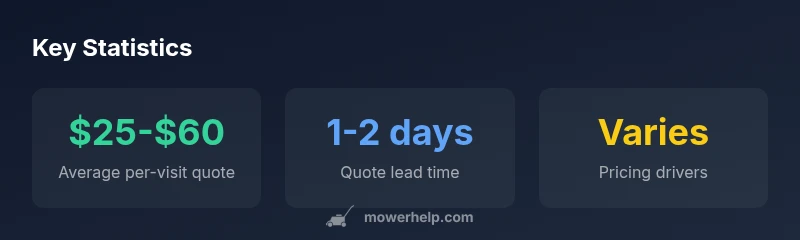
A lawn mowing quote is a price estimate from a service provider for mowing your lawn, typically factoring lawn size, terrain, frequency, and any add-ons. In 2026, most quotes range broadly, roughly $25-$60 per visit in many markets, with larger or more complex properties climbing higher. A written quote helps compare services and prevent surprise charges. Understanding what is included in a quote (mowing only vs mowing with edging, debris removal, or shrub trimming) prevents scope creep.
What a lawn mowing quote covers and why it matters
A lawn mowing quote is more than a single number. It should break down base mowing, edging, debris removal, and any seasonal tasks. Homeowners benefit from a transparent quote because it clarifies scope, frequency, and materials used (e.g., mulching clippings or bagging). When a quote lists tasks clearly, you can compare providers on value rather than price alone. According to Mower Help, the most actionable quotes include line items for mowing, edging, and waste removal, plus a note about any weather-related adjustments that might affect service windows.
From a homeowner perspective, ask for clarity on what counts as a full visit versus a partial visit. If a landscaper adds shrub trimming or lawn aeration, these items should appear as add-ons with a separate price. A well-documented quote reduces miscommunication and helps you budget for ongoing maintenance rather than facing unexpected charges after the first service.
Pricing models you’ll encounter and what they mean
Lawn mowing quotes typically come in a few pricing models: per-visit flat rates, tiered packages (basic, standard, premium), or seasonal contracts. Per-visit quotes are straightforward but can fluctuate with yard conditions. Package pricing awards predictability, often with a discount for higher frequency. Seasonal contracts may bundle edging, weed control, and lawn care reminders, which can save money over time but lock you into a commitment. Consider your preferred service cadence, the size and layout of your lawn, and whether you value predictability over flexibility. In 2026, many homeowners find a mixed approach works best: a basic mowing plan with optional add-ons as needed.
When providers quote, they may also consider equipment efficiency, crew size, and travel time. If your property is on a corner lot or crosses multiple zones, pricing can reflect the extra drive time. A trusted quote should explain how these factors affect the final price.
Factors driving quote variation: lawn size, terrain, and frequency
Lawn size is usually the largest driver of cost. Larger lawns require more cuts, more clippings to manage, and longer service times. Terrain and obstacles—slopes, irregular boundaries, landscaping beds, and tight access—increase risk and time, pushing quotes higher. Frequency matters too: biweekly service may be cheaper per visit than weekly maintenance, but the season-long total could be similar or higher depending on promotions and labor utilization. Add-ons like edging, weed trimming, or leaf removal contribute to the overall quote and are common sources of variation. For the sharpest comparison, request a quote that itemizes each add-on and the base mowing rate.
How to compare quotes like a pro: steps and best practices
- Request itemized quotes from at least three providers to reveal scope-side differences. 2) Compare base mowing costs side by side with add-ons and any disposal fees. 3) Verify whether quotes assume bagging or mulching, as this affects cleanup time. 4) Ask for in-person assessments to improve accuracy, especially for uneven terrain or tight gates. 5) Look for seasonal promotions or discounts for ongoing service to maximize value. 6) Check for guarantees or rain-slate policies, so you’re not billed if weather interrupts a planned mow.
A written quote also helps you track changes over time and makes renegotiation easier if your lawn grows or shrinks during the season.
Hidden costs and what to watch for in every estimate
Many quotes appear competitive at first glance because they exclude ancillary costs. Watch for: disposal fees for yard waste, fuel surcharges, edging by the hour, and minimum visit charges when you only need a partial service. Some providers will offer a reduced price for biweekly mowing but then bill separately for leaf cleanup or hedge trimming. Clarify whether seasonal contracts lock you into a fixed price regardless of weather or other disruptions. A high-priced quote with comprehensive inclusions can be a better value than a low quote that omits essential services. Always confirm how price adjusts if you need to cancel or reschedule.
Getting quotes right: practical tips for homeowners
Prepare a concise description of your lawn: size (approximate square footage or number of turf areas), typical growth cycle, known obstacles (fence lines, trees, irrigation heads), and preferred service frequency. Take simple photos from multiple angles to capture access issues. When you invite a lawn care pro for a walking tour or on-site estimate, point out any concerns: uneven ground, gate width, or seasonal weed growth. This helps the crew estimate time and equipment needs, which leads to a more accurate quote.
Also, consider asking for a price ladder: one price for mowing only, another for mowing plus edging, and a separate line for debris removal. A ladder format makes it easier to decide which components are worth the investment.
Negotiating and finalizing: how to close the deal with confidence
After receiving quotes, identify your top two providers and summarize the differences in a short bullet list. Use this as a basis for negotiation: ask for a bundled package discount, inquire about a winter or summer rate, or request a trial period with a capped price. Don’t hesitate to request references or check online reviews to assess reliability and punctuality. If a potential contractor seems inflexible, it’s reasonable to request adjustments to the scope so the quote aligns with your budget while still delivering essential mowing quality. Finally, ensure the final agreement is written, including scope, schedule, payment terms, and any cancellation policies.
How quote variables influence per-visit pricing
| Factor | Impact on Quote | Typical Range (per visit) | Notes |
|---|---|---|---|
| Lawn size | High | $25-$60 | Smaller lawns cost less; larger lawns cost more |
| Terrain/obstacles | Moderate | Varies with obstacles | Slopes or tight gates add time and risk |
| Frequency of service | Moderate/High | Per-visit varies | Weekly may reduce total cost vs. biweekly over season |
| Add-ons (edging, bagging) | High | Extra charges apply | Clarify if included or billed separately |
| Seasonal promotions | Variable | Discounts possible | Look for bundled offers |
Got Questions?
What factors influence lawn mowing quotes?
Lawn size, terrain, frequency, and included add-ons like edging or debris removal drive most price differences. Weather policies and access limitations can also affect quotes.
Lawn size, terrain, and add-ons mainly drive quotes. Weather policies can also influence estimates.
How can I compare quotes effectively?
Request itemized estimates, compare base mowing versus add-ons, and verify if disposal and fuel charges are included. Consider in-person assessments for accuracy.
Ask for itemized estimates and see what’s included to compare fairly.
Do quotes include edging and weed trimming?
Some quotes include edging and trimming as add-ons; others bundle them into a premium package. Always confirm scope in writing.
Ask whether edging and trimming are included or billed separately.
Should I negotiate quotes?
Yes. Inquire about bundled discounts, seasonal promotions, or adjusting the scope to fit your budget while maintaining essential mowing quality.
You can negotiate price by asking for bundles or seasonal discounts.
How long does it take to get a quote?
Most providers deliver written quotes within 1-2 days after an on-site assessment or photo review.
Expect quotes in about 1-2 days after an on-site check.
“Transparent, itemized quotes reveal value and prevent pricing surprises. When a contractor clearly separates base mowing from add-ons, homeowners can compare options with confidence.”
The Essentials
- Get written, itemized quotes for clear comparisons
- Know which tasks are included to avoid scope creep
- Lawn size, terrain, and add-ons drive price most
- Ask about promotions and bundled packages
- Use a ladder approach to choose the right scope