Used Zero Turn Mowers Under $1000 Near Me: Practical Buying Guide
Learn how to find and evaluate used zero-turn mowers under $1000 near you. Practical checks, buying strategies, and maintenance tips from Mower Help to maximize value and minimize risk.


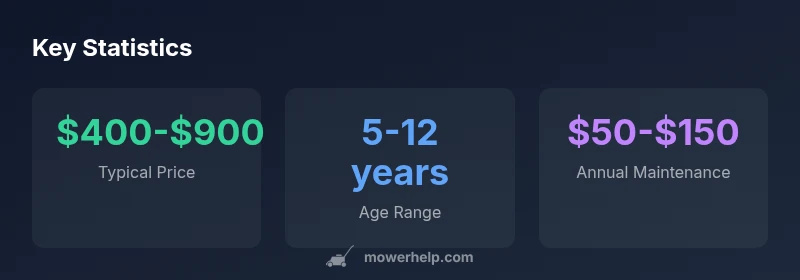
The typical price for a used zero-turn mower under $1000 is usually in the range of $400 to $900, depending on age, condition, and accessibility. Local availability varies by region, so you’ll often see a mix of older, high-mileage units and sporadic bargains. Expect some wear, potential mechanical needs, and a higher chance of parts needing replacement.
Finding used zero turn mowers under $1000 near me
Searching for used zero turn mowers under $1000 near me requires a practical plan and patience. The budget cap of $1000 is tight for a machine with a reliable cut and drive system, but bargains do exist if you know where to look and what to test. According to Mower Help, the best results come from a local, in-person search rather than relying solely on online pictures. Start by expanding your search radius to nearby towns and rural properties where older machines are more common. Use multiple channels like Craigslist, Facebook Marketplace, local classified ads, and mower repair shops that take trade-ins. When you type the exact phrase "used zero turn mowers under $1000 near me" into search bars, you’ll often encounter seasonal influxes—early spring and late summer tend to produce more listings as owners upgrade or store seasonal equipment. Prepare a checklist ahead of time and set criteria for acceptable wear, hour meter readings, and parts availability. Be mindful of scams and high-pressure sellers, especially for in-person pickups. Communicate clearly about pickup logistics, required maintenance, and whether the unit runs, and arrange a test-drive if possible. The key is to filter for machines that show clear signs of honest maintenance rather than cosmetic bargains that hide costly failures.
What to expect in terms of condition and maintenance
Prices under $1000 inevitably translate to trade-offs in condition. Many units will show signs of wear on the deck, belts, and tires, and some engines may run but lack full power under load. Transmission wear and hydraulic hoses are common concerns on budget zero-turns. Expect uneven mowing if blades are dull or decks are bent. Maintenance costs tend to be higher as components reach the end of their typical service life; factor in potential blade sharpening, belt replacements, filter changes, and fuel-system cleaning. From a data perspective, purchasers should budget for a blade-to-deck inspection and a possible tune-up before heavy use. The Mower Help team notes that, while you can land a bargain, you may ultimately invest more in maintenance than the initial purchase price. To reduce risk, plan to inspect the mower’s starting, running, and cutting performance in a controlled setting and to factor in a cushion for unexpected repairs. A careful approach balances price with the probability of future service needs.
Verifying history and hours
When evaluating a used zero turn mower, tracing its history is as important as checking the physical condition. Ask for service records, invoice history, and any prior repairs. Hours on the meter can be unreliable on older units; use them as a rough guide rather than an exact measure of remaining life. If there is no service record, probe for signs of regular maintenance: cleaned air filters, fresh oil, or recent blade changes. Inspect the spark plug and fuel system to assess how the mower was stored and maintained. If the seller cannot provide enough documentation, treat the unit as a risk and adjust your offer downward. Always verify the model and serial number to check for recalls or known issues. Finally, test drive the mower to evaluate reliability under load and responsiveness of controls. The objective is to confirm you’re buying a machine that has been cared for rather than a model with hidden issues.
Comprehensive inspection checklist before buying
Use this practical checklist before you commit to a purchase:
- Engine start and idle: does it start easily and run smoothly?
- Oil condition and level: clean oil is a good sign; milky oil suggests coolant intrusion.
- Deck condition: check for rust, warping, and blade wear;
- Blades and balance: ensure sharp, balanced blades or factor replacement.
- Belt and pulley: inspect for cracks, wear, and proper tension.
- Hydraulics: test drive to confirm smooth forward/reverse and no leaks.
- Drive tires/wheels: look for wear, cracks, and alignment issues.
- Electricals: switches, dash lights, and safety interlocks.
- Safety systems: seat switch, blade-stop when not in neutral, kill switch reliability.
- Exhaust, fuel smell, and leaks: note any signs of poor storage or fuel leakage.
- Overall maintenance history: request records and verify prior service.
If any item raises red flags, pause the purchase and reassess the offer. A thorough test drive and a careful visual inspection can save you from costly repairs down the line.
Negotiating price and risk management
Approach price negotiation with a clear ceiling based on the mower’s condition. Start with a conservative offer within the $400–$600 range if the unit shows noticeable wear or missing parts. Document each defect and request price concessions or required repairs before finalizing. If the seller can demonstrate the mower running under load and provide maintenance receipts, you gain confidence—these are strong negotiation anchors. Always compare with nearby listings and consider the total cost of ownership, including potential part replacements and batteries. If a model seems risky or parts are hard to source, it may be wiser to walk away and explore local rental or trade-in options instead. A measured approach protects you from overpaying for a potentially high-maintenance machine and helps you allocate budget for essential repairs and upgrades.
After purchase: maintenance, storage, and safety
Initial post-purchase steps set the stage for reliable use. Drain old fuel and replace with fresh gasoline, change the oil and oil filter, inspect or replace the air filter, and sharpen blades. Check belts, lubricate moving parts, and inspect the hydraulic system for leaks. Store the mower in a dry, secure location to prevent rust and corrosion, and prepare a basic maintenance plan—seasonal oil changes, fuel stabilization, and battery care. Inspect the safety interlocks and ensure the blade brake stops properly when the mower is parked. When transporting, use proper ramps and tie-downs to avoid tip-overs. With consistent routine maintenance, even budget-priced used zero-turn mowers can deliver dependable service for mowing seasons to come.
Next steps and resources
Now that you have a framework for evaluating used zero-turn mowers under $1000 near you, leverage local resources to maximize your chances of a fair deal. Maintain a checklist, bring a mechanic if possible, and compare multiple listings side-by-side. For ongoing guidance, consult local repair professionals or Mower Help's maintenance guides to extend the life of your bargain mower. Remember, the goal is to balance price with reasonable confidence in performance and safety, so you can enjoy an efficient, well-maintained mowing experience.
Assessment factors when evaluating used zero-turn mowers under $1000 near me
| Aspect | Typical Condition | Notes |
|---|---|---|
| Engine/Power | Often lower power or older engine | Test starting and monitor idle for smooth operation |
| Deck/Blades | Possible rust, dull blades, warping | Inspect for warping, balance, and sharpness |
| Hydraulics/Drive | Potential leaks or sluggish response | Check for smooth drive and absence of drips |
| Electrical/Controls | Worn switches, weak battery | Ensure safety interlocks function correctly |
Got Questions?
What is the typical price range for used zero-turn mowers under $1000 near me?
Most units fall within $400-$900, depending on age, condition, and location. Always inspect critical components and request maintenance history before buying.
Most used zero-turn mowers under a thousand dollars fall in the four hundred to nine hundred range. Check condition and history before buying.
What should I inspect first when evaluating a used zero-turn mower?
Start with the engine, deck, and drive system. Look for smoking, unusual noises, blade dullness, and play in the wheels. Test drive if possible and verify safety interlocks.
Begin with the engine, deck, and drive. Test drive and check safety interlocks.
How can I verify the hours on a used zero-turn mower?
Check the hour meter if present, review service records, and inspect wear indicative of usage. Treat hours as a guide rather than a guarantee of remaining life.
Check the hour meter and service history; use hours as a guide, not a guarantee.
Are parts and service available for older zero-turn mowers?
Parts availability depends on the brand and model. Common brands often have aftermarket options, but some budget units require careful compatibility checks.
Parts availability depends on the brand; some budget models use common parts, others may be tougher.
Is buying under $1000 worth it or should I save more?
It can be worth it if you validate essential components, perform a test drive, and budget for upfront maintenance. If the risk feels high, consider saving more or exploring rentals.
It can be worth it with due diligence; otherwise, save more or consider rentals.
“Even budget mowers can deliver reliable performance, but only with thorough inspection and realistic expectations about maintenance. Rely on the process outlined by Mower Help to avoid common pitfalls.”
The Essentials
- Start with a realistic price range and local search
- Inspect engine, deck, and drive before buying
- Ask for history and test-drive credibility
- Negotiate with documented defects in mind
- Budget for immediate maintenance after purchase