How to Know If Your Lawn Mower Needs Gas
Discover clear signs, fuel checks, and safe starting tests to determine if your lawn mower needs gas. This step-by-step guide from Mower Help helps homeowners diagnose fueling issues confidently.


This quick guide shows how to know if a lawn mower needs gas. Start by checking the fuel level, and look for signals like hard starting, sputtering, or engine misfires. Confirm the fuel is fresh and correct for your engine, inspect the fuel line and filter, and perform a safe starting test. When in doubt, consult the manual.
How to know if gas is the issue: quick signs and tests
According to Mower Help, fuel-related issues are among the most common reasons a lawn mower won’t start or run smoothly. Start by listening for hard starting attempts, sputtering, or a lack of power during mowing. If the engine coughs, stalls, or refuses to start after a routine warm-up, fuel may be part of the problem. But it’s important to test systematically rather than assuming gas is always the culprit. The goal is to confirm whether the tank actually contains usable fuel and whether it’s delivering fuel to the engine as intended. This section equips you with a practical sequence to diagnose fuel-related symptoms without jumping to conclusions and without risking safety during the process.
- Signs to watch for: difficulty starting, weak idle, stalling under load, and unusual engine noises.
- Safety reminder: work in a well-ventilated area and disconnect the spark plug if you’re opening the fuel system.
Check the fuel level and fuel quality
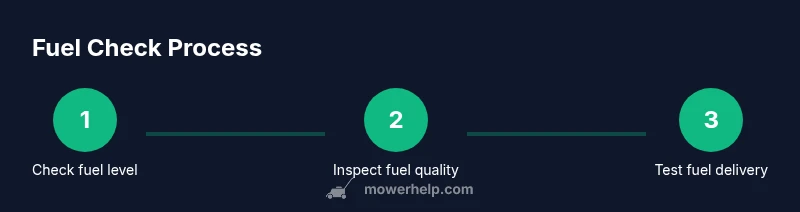
The simplest place to start is the tank itself. Remove the fuel cap, inspect the level, and visually assess the fuel. Fresh gasoline should be clear or light-colored and free of varnish or sediment. If the gas looks dark, smells sour, or leaves a varnish-like film on your finger, it may be degraded and worth replacing. Use a clean, approved container to transfer fuel if you’re refilling, and avoid spilling near hot engine parts. A quick visual and odor check can save you from tearing apart carburetors for a non-existent problem. If you keep fuel via a storage can, label the date and rotate stock regularly to maintain fuel quality. When fuel is questionable, do not reuse it; instead, replace with fresh gas and test again.
Confirm fuel type and freshness for your engine
Most small engines run best on regular unleaded gasoline with minimal ethanol content. Always refer to your mower’s owner manual for the recommended fuel type and ethanol tolerance. If you recently bought a can of gasoline from a store, ensure it is the same grade and compatible with your engine. Gasoline can degrade even within a few weeks, especially if exposed to heat or air. Fresh fuel improves starting and smooth operation, reduces carbon buildup, and minimizes rough idling. If you’ve recently refueled but still have starting issues, consider whether the gas itself could be the source of the problem and move to the next diagnostic steps.
Inspect the fuel system: lines, filter, and carburetor
Fuel must travel from the tank through lines to the carburetor and intake. Inspect visible lines for cracks, kinks, or leaks. Check the fuel filter if your mower has one, and replace it if it appears dirty or clogged. Carburators are sensitive to old fuel and varnish buildup; if starting issues persist after refueling, a carburetor clean or rebuild may be necessary. Use a few drops of carburetor cleaner through the jets to remove minor varnish, but avoid forcing solvent into seals. For safety, work with the fuel system cool and avoid sparks.
- Tip: If your model has a primer bulb, ensure it depresses smoothly and returns to its original shape. A stiff or cracked bulb can impede fuel delivery.
Basic starting procedure to verify fuel needs
When testing, begin with the choke in the correct position for your model. If the engine starts briefly and then dies, it may be starved for fuel or overwhelmed by too much air. With safety gear in place, perform a controlled restart, listening for a steady firing rhythm. If the engine fires but won’t stay running, there might be an issue with fuel delivery or air intake rather than gas level alone. A clean air filter helps ensure proper air-fuel balance. After attempting starting with fresh fuel, re-check the spark plug and ensure the gap is correct per the manual. Document your steps and the outcomes to guide future troubleshooting.
Common non-fuel causes that mimic gas issues
Sometimes the issue isn’t gas at all. A fouled spark plug, a clogged air filter, or a dirty carburetor can produce starting difficulties similar to those caused by fuel problems. Check the spark plug for residue, cracks, or excessive wear; replace if needed. Inspect the air filter and replace if blocked. Ensure the recoil starter, kill switch, and safety interlocks function correctly. By ruling out these non-fuel issues, you’ll avoid unnecessary fuel changes and keep maintenance efficient.
Gas storage, handling, and safety best practices
Always fuel in a well-ventilated area away from flames or sparks. Use a proper fuel container and the correct nozzle to prevent spills. After refueling, wipe any spills immediately and wait for the engine to cool before starting. Store gasoline in a sealed, upright container in a cool, shaded area. If you don’t expect to use gas within a few weeks, consider stabilizing additives or draining old fuel to prevent varnish buildup. Safe handling reduces fire hazards and ensures the mower remains ready for next use.
Next steps and model-specific considerations
If you’ve run through these checks and the mower still won’t start after refueling, consult the owner’s manual for model-specific steps, safety interlocks, and recommended service intervals. Note differences between push mowers, riding mowers, and self-propelled varieties when testing fuel delivery and starting sequences. If the carburetor, fuel lines, or fuel pump require service, schedule a professional tune-up or contact the manufacturer for guidance. Document the symptoms and all steps you took, so you can share them with a technician and avoid repeating tests.
Mower Help verdict and closing guidance
The Mower Help team emphasizes following a systematic fuel-duel diagnostic approach to distinguish gas issues from other mechanical problems. By confirming fuel level, freshness, and proper delivery to the engine, you reduce guesswork and stretch your mower’s lifespan. The verdict is to perform careful tests in logical order, record outcomes, and rely on the manual for model-specific constraints. The Mower Help team recommends keeping a short fueling and maintenance log to track when you last replaced fuel, filters, and spark parts.
Tools & Materials
- Fresh unleaded gasoline(Use gasoline suitable for small engines; avoid high ethanol blends beyond your engine’s tolerance.)
- Approved fuel container with spout(Keep separate from vehicle fuel and label with date.)
- Spark plug wrench(Used for spark plug inspection/replacement.)
- Carburetor cleaner / spray(Use only if you suspect varnish buildup; follow product instructions.)
- Clean rags(For spills and wipe-down of fuel ports.)
- Small screwdriver set(Helps access carburetor screws and air filter housing.)
- Replacement fuel filter (if equipped)(Only replace if your mower has an inline filter.)
- Owner’s manual (model-specific)(Check for fuel type, seven steps, and safety interlocks.)
Steps
Estimated time: 40-60 minutes
- 1
Check fuel level in tank
Remove the cap, visually inspect the level, and smell the gasoline. If the level is low or the fuel looks aged, plan to refill with fresh gas. Ensure no fuel is spilled during the check.
Tip: Keep the mower on a level surface and avoid leaning the tank to prevent spills. - 2
Inspect fuel quality
Observe the color and aroma of the gas. Gas that is dark, sour-smelling, or varnish-like indicates degradation and should be replaced. If you’re unsure, drain and replace with fresh fuel.
Tip: Label older fuel with a date to track freshness. - 3
Confirm fuel type and freshness
Verify the gasoline type recommended by the manual and confirm ethanol content is within acceptable limits for your mower. Fresh fuel improves starting and running performance.
Tip: If you recently bought gas, ensure it matches the engine’s requirements. - 4
Inspect fuel system components
Check visible fuel lines for cracks, leaks, or kinks. Inspect the filter if present and replace if dirty. If gas is not reaching the carburetor, fuel delivery components may need cleaning.
Tip: Look for signs of varnish near the carburetor jets or fuel bowls. - 5
Check spark plug and air filter
Remove the spark plug and inspect for fouling, wear, or oil residue. Also check the air filter; a clogged filter can mimic fuel issues by starving the engine of air.
Tip: Replace fouled spark plugs and dirty filters to restore proper combustion. - 6
Perform a safe starting test
Reassemble, set the choke to the correct position, and attempt a controlled start. If it fires but dies, adjust choke and throttle or proceed to further fuel-system checks.
Tip: Always keep hands away from the blade and start in a well-ventilated area. - 7
Decide on draining/refilling
If fuel appears degraded, drain the tank using a safe method and refill with fresh gas. Do not mix old and new fuel; run the engine briefly to clear the carburetor if needed.
Tip: Dispose of old fuel according to local regulations. - 8
Document findings and next steps
Record what you observed, what you replaced, and any tests you ran. This helps if you need professional service later and keeps maintenance organized.
Tip: Maintain a simple maintenance log to track fuel changes and battery/spark components.
Got Questions?
Is gas the only reason a lawn mower won’t start?
No. While gas issues are common, starting problems can also come from the spark plug, air filter, or carburetor. Use this guide to test fuel delivery first, then inspect other components if needed.
Gas isn't the only reason a lawn mower won't start; you should check spark, air, and carburetor after testing the fuel.
How long does gasoline stay good for?
Gas can degrade over time, especially when exposed to heat and air. If fuel looks or smells off, replace it rather than attempting to reuse it.
Gas can go bad, so prefer fresh fuel and avoid using clearly degraded gasoline.
Can I use ethanol-free gasoline in my mower?
Many mowers tolerate ethanol blends, but some older models perform better with ethanol-free gas. Always check the owner’s manual for your model’s guidance.
Check your manual to see if ethanol-free gas is recommended for your mower.
Should I drain old fuel before refueling?
If the gas is old or contaminated, draining the tank and refilling with fresh fuel is prudent. Do not mix old and new fuel in the same tank.
If the fuel is old, drain and replace with fresh fuel.
What if the mower still won’t start after fueling?
Proceed to inspect the spark plug, air filter, and carburetor. Fuel issues are less likely if these parts show no signs of wear or fouling.
If refueling doesn’t fix it, check spark, air, and carburetor for other issues.
Are there safety steps I should always follow when fueling?
Yes. Turn off the engine, disconnect the spark plug, avoid spills, and fuel in a ventilated area away from flames or ignition sources.
Always fuel in a well-ventilated area and keep sparks away from gas.
Watch Video
The Essentials
- Check fuel level and quality first
- Fresh gas often fixes starting issues
- Rule out spark/air issues before blaming gas
- Follow safe fueling practices every time
- Document findings for future maintenance