How to Replace a Lawn Mower Fuel Filter
Learn how to inspect, replace, and maintain your lawn mower fuel filter to prevent fuel delivery problems, engine stalling, and hard starts with a practical, step-by-step approach.


Goal: Locate, inspect, and replace your lawn mower fuel filter to prevent fuel delivery problems, hard starts, and stalling. This guide covers filter types, locating the filter, required tools, safety steps, and a step-by-step replacement process you can perform in under 45 minutes. Whether you service a small two-stroke or a gas-powered mower, this quick primer helps you avoid common mistakes and extend engine life.
Why the lawn mower fuel filter matters
The fuel system in gas-powered lawn mowers typically includes a fuel filter that traps dirt, rust, and particles from the tank before they reach the carburetor or injection system. Keeping this filter clean helps maintain steady fuel flow, smooth idle, and responsive acceleration. The Mower Help team notes that neglecting this simple component is a frequent source of fuel delivery problems and avoidable repairs. A clogged filter can restrict flow, cause lean running, vapor lock in hot weather, and engine misfires. For homeowners, understanding how the filter works and recognizing the signs of clogging empowers proactive maintenance rather than reactive fixes. In addition to performance, a clean filter also reduces fuel consumption and prevents carburetor gumming, which can be costly to service. When replacing, you should consider compatibility with your mower’s fuel type (gas vs. ethanol blends) and the physical size of the inline filter. In many modern mowers, the filter is a spare part that can be swapped without removing the tank. Always consult the owner's manual to confirm the exact filter type and replacement interval. By treating the fuel filter as a routine maintenance item, you’ll keep the engine healthier and your yard tasks more reliable.
As you plan your maintenance, also check fuel lines for cracks and replace them if brittle. Even with a good filter, degraded hoses can allow leaks that kill performance. According to Mower Help, these checks are cheap insurance and help prevent a roadside breakdown. A visual inspection during spring service can catch problems before they cause a breakdown, saving time and frustration on mowing day.
Types of filters and how to choose
Fuel filters come in several forms, and choosing the right one for your mower depends on the engine design, fuel type, and line diameter. Inline pleated filters are common on many gas-powered mowers; they usually sit along the fuel line between the tank and the carburetor. Carburetor screens or integrated filters inside the carburetor are another variant, especially in older models. Some mowers use a disposable inline filter with a clear housing to monitor flow; others use a dark, sealed unit that resembles a small cartridge. Important selection criteria include the hose diameter, connector type (barb or push-on), flow rate, and compatibility with ethanol blends (E10, E15, etc.). If you own a two-stroke engine, you might have a different filter arrangement than a four-stroke, so always verify with the manual or parts diagram. In all cases, replace filters that show signs of deterioration—cracks, swelling, or heavy staining—rather than attempting a deep cleaning, which can push debris into the carburetor. The goal is to maintain clean fuel entering the combustion chamber to prevent skipping and hesitation.
Symptoms of a clogged fuel filter
A failing or clogged fuel filter presents several telltale signs. You may notice hard starting or no-start conditions, especially after sitting for a while. Engine hesitation, sputtering at higher speed, or sudden loss of power during mowing are common indicators. If your mower runs briefly and then stalls, a fuel restriction is likely at fault. You might also detect a stronger fuel smell or visible sediment in the filter housing if it’s a transparent model. Inconsistent revving or rough idle can indicate dirty fuel reaching the carburetor. While fuel quality matters, many symptoms trace back to a filter that isn’t allowing proper flow, so diagnosis should start with the filter and fuel line.
Locating and accessing the fuel filter on common mowers
Most gasoline-powered mowers place the inline fuel filter along the hose between the fuel tank and the carburetor or fuel pump. In some designs, you’ll find a small cylindrical canister or a short cartridge clipped into the line. Access often requires removing a side cover, tilting the mower, or lifting the gas cap, so work in a well-ventilated space away from flames or sparks. To identify the exact location, consult the parts diagram in your user manual or the manufacturer’s website. If your mower uses a carburetor with a built-in filter screen, the filter is internal and not user-serviceable as a standalone part. Remember to prepare a catch basin for any fuel spills and to clamp hoses to prevent leaks during removal.
Tools, safety, and prep for replacement
Safety first: work in a ventilated area and wear gloves and eye protection. Disconnect the spark plug to prevent accidental starting if you’re working on a gas mower with an exposed carburetor area. Gather your tools and a clean catch container before starting so you can minimize spills. A clear filter housing is easiest to inspect; a dirty housing may indicate the need for a full line replacement. Keep rags on hand to wipe up spills and prevent ignition sources from contacting fuel. Finally, check that you have the correct replacement filter size and orientation arrow to ensure proper fuel flow direction.
Step-by-step plan for replacement and final checks
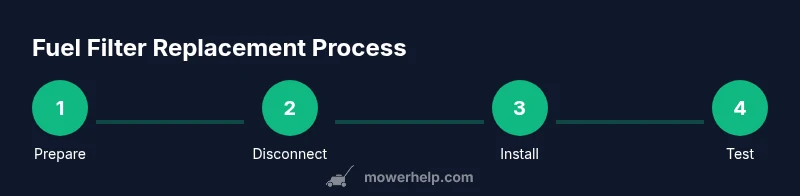
With the right filter in hand and the mower safely prepared, you’ll remove the old filter, install the new one in the correct orientation, and test for leaks before running the engine. Take care to avoid bending the fuel lines and to reseat all clamps firmly. After installation, run the engine for a few minutes at idle and a short test mow to observe fuel delivery and performance. If you smell fuel or see a leak, stop the test immediately and reseat the hose connections. Proper disposal of the old filter and cleanup of the work area completes the process. Finally, document the service in your maintenance log so you know when to inspect or replace again.
Maintenance best practices and disposal
To extend filter life, use high-quality gasoline and keep your fuel clean by using a approved fuel stabilizer if you don’t use the mower often. Store fuel in a proper container and avoid leaving it in the tank for long periods, which can degrade fuel and corrode the filter. When removing the old filter, place it in a sealed bag for disposal according to local regulations. Replacing filters at regular intervals reduces the risk of carburetor clogging and keeps your mower performing reliably season after season. Consider keeping a spare inline filter in your workshop so you’re not forced to improvise with damaged parts.
Common mistakes and troubleshooting
Common mistakes include selecting an incorrect filter size, failing to orient the filter with the arrow in the flow direction, and not securing hose clamps, which leads to leaks. Some users attempt to clean a filter by rinsing with gasoline, which can introduce contaminants and dissolve the filter media. If your mower still struggles after replacement, double-check the fuel line for cracks or leaks, inspect the carburetor for built-up varnish, and ensure the fuel tank vent is clear. When in doubt, revert to the manufacturer’s recommended procedure and consult the service diagram for your model.
Tools & Materials
- Inline fuel filter (matching your mower)(Choose the correct size and connector type for your fuel line)
- Gloves(Protect hands from fuel and sharp edges)
- Safety glasses(Eye protection during fuel handling)
- Catch basin or shallow tray(Catch fuel spills during removal)
- Rags or paper towels(Wipe spills and dry fittings)
- Pliers or small screwdriver(Loosen hose clamps or remove connections)
- Marker or note pad(Mark hose positions to reassemble correctly)
- Alcohol wipes or degreaser(Cleaned surfaces and prevent contamination)
Steps
Estimated time: 30-60 minutes
- 1
Prepare and secure the mower
Park on a flat surface, apply parking brake if available, and disconnect the spark plug wire to prevent accidental starting. Put on gloves and safety glasses, then gather all tools near the work area. This preparation reduces the risk of fuel ignition and makes the replacement smoother.
Tip: Keep a dedicated container for any fuel to avoid spills on the ground. - 2
Relieve pressure and clamp lines
If your mower has a fuel shutoff valve, close it and place a catch basin beneath the line. Gently clamp the hose with pliers or a specialized tool to stop fuel flow. This step minimizes spillage when disconnecting the filter.
Tip: Work slowly to avoid splashing fuel; avoid bending the hose excessively. - 3
Disconnect the old filter
Loosen clamps or disconnect push-on fittings and carefully remove the old inline filter. If the filter is threaded, use the appropriate tool to unscrew it without damaging the fittings. Have rags ready to catch any fuel that escapes.
Tip: Take a quick photo of the routing for reassembly if unsure about placement. - 4
Prepare the new filter
Inspect the new filter for damage and verify the flow direction. Some filters have a printed arrow indicating flow; align it with the fuel line so fuel moves from tank toward the carburetor. Remove protective caps only when you’re ready to install.
Tip: Do not force filters into place; check that the ends mate cleanly with existing fittings. - 5
Install the new filter
Attach the filter in the correct orientation and secure clamps or fittings. Ensure there are no gaps or kinked hoses. Reconnect the fuel line to the tank and carburetor as appropriate, then release clamps to secure the line.
Tip: Double-check clamps are snug but not overly tight to avoid damaging the hose. - 6
Check for leaks and test run
Turn the fuel valve back on (if applicable), wipe down any surfaces, and start the engine. Let it run for a few minutes at idle, then perform a short mowing test to verify smooth operation and monitor for leaks at the fittings.
Tip: If you smell raw fuel, stop and recheck connections immediately. - 7
Cleanup and disposal
Dispose of the old filter according to local regulations and clean up any residual spills. Store the spare filter and a small fuel container safely for future maintenance. Document the maintenance in your mower log.
Tip: Always recycle or properly dispose of used filters to protect the environment.
Got Questions?
Do all lawn mowers have a fuel filter?
Not all models include a fuel filter; many gas mowers have inline filters, while some carburetors use screens. Check your manual or parts diagram for your specific model.
Not every mower has a fuel filter; check your manual to confirm.
Can I clean a clogged fuel filter instead of replacing it?
Most fuel filters are disposable and should be replaced. Cleaning can push debris into the carburetor and cause more harm than good.
Usually you should replace the filter rather than clean it.
What tools do I need to replace a fuel filter?
You’ll typically need gloves, safety glasses, pliers or a screwdriver, a catch basin, and a replacement inline fuel filter that fits your hose diameter.
Have gloves, glasses, pliers, a catch basin, and the right replacement filter.
How often should I replace the fuel filter?
Follow manufacturer recommendations. If you mow heavily or use low-quality fuel, inspect and replace more frequently. Maintain a yearly check as a baseline.
Follow the manual or replace annually if in doubt.
What are signs of a failing fuel filter?
Hard starts, engine hesitations, stalling, reduced power, or a noticeable drop in performance are common indicators of a clogged filter.
Look for hard starts, hesitation, or stalling.
Is it safe to replace the filter when the engine is hot?
No. Allow the engine and fuel to cool before starting. Hot fuel can cause burns and increases fire risk.
Wait for the engine to cool before you begin.
Watch Video
The Essentials
- Identify the correct fuel filter type for your mower and replace it regularly.
- Orient the filter with the flow direction arrow toward the carburetor.
- Seal all connections and check for leaks after installation.
- Dispose of used filters responsibly and keep a clean work area.
- Document maintenance to simplify future service.