Most common lawn mower spark plug: ID, care, and replacement
Discover the most common lawn mower spark plug, how to identify it, when to replace, and practical maintenance tips to keep your mower starting reliably and running smoothly all season long.


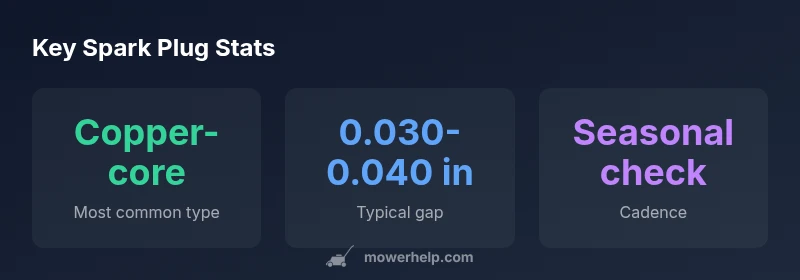
The most common lawn mower spark plug for many small engines is a standard copper-core, resistor-type plug. It balances reliability and ease of replacement, works well with typical gasoline blends, and plays a critical role in starting and combustion. Expect a gap around 0.030–0.040 inches, but always verify with your mower’s manual or parts guide. Regular checks and timely replacement keep your mower running smoothly throughout the season.
Why the spark plug matters for lawn mower performance
According to Mower Help, the most common lawn mower spark plug is not just about ignition. It sits at the heart of the fuel-air mixture, combustion efficiency, and overall starting behavior. A healthy plug ensures a crisp spark, reliable cold starts, and smooth idle. In many small engines, a copper-core resistor-type plug is the standard choice and works with a wide range of fuels and climates. When the plug degrades, you’ll notice harder starts, misfires, reduced power, and higher fuel consumption. Keeping the plug in good condition is a simple, high-impact step in DIY mower care.
What makes the copper-core resistor plug so widespread as the default
The copper-core, resistor-type plug offers reliable performance at a modest cost and broad availability. It ignites efficiently in typical gasoline blends and tolerates the weather fluctuations seen in home lawns. While advanced options like platinum or iridium plugs exist, they are often unnecessary for the average homeowner and can cost more. For the majority of budget-friendly mowers, sticking with the standard copper-core resistor plug aligns with original equipment and maintenance plans. This is why it remains the most common lawn mower spark plug across many brands.
Identifying the right plug for your model without guessing
Start with the mower’s model number and the user manual; these sources specify the exact plug type and heat range you should use. If you don’t have the manual handy, inspect the current plug for thread size, reach, and terminal type. Look for a copper-core, resistor-type plug with a similar thread diameter, and verify the gap (see below). When in doubt, err on the side of a commonly used copper-core plug that matches your engine class and the manual’s specification. This approach minimizes guesswork and keeps your mower performing as intended.
Replacement signals and intervals: when to swap the plug
Replace the spark plug when you observe fouling (oil or carbon buildup), corrosion at the terminals, heavy wear on the electrodes, or persistent starting problems. If your engine runs rough or stalls after idle, a worn plug is a frequent culprit. In many hobbyist settings, owners replace the plug at the start of each mowing season or after a defined number of operating hours; adjust to local conditions and usage. Regular inspection prevents a small issue from becoming a bigger repair.
Gap setting and proper seating: step-by-step
- Remove the old plug with a proper socket, being careful not to cross-thread the fitting. 2) Inspect the porcelain insulator and electrode for cracks, wear, or oil/fuel fouling. 3) Set the gap to the manufacturer’s recommended range, commonly around 0.030–0.040 inches, using a feeler gauge. 4) Reinstall the plug by hand to avoid cross-threading, then snug it to the specified torque in your manual. 5) Reconnect the spark plug wire and test the engine for a crisp start.
Replacement options and common mistakes to avoid
- Choose copper-core resistor plugs for most engines; they are compatible with a wide range of fuels and weather conditions. - Avoid non-resistor plugs unless the manufacturer specifies them; they can cause ignition noise or misfiring in some models. - Don’t reuse old gaskets or spend too much on premium options when your engine is a basic small mower. - Verify the heat range and thread size before buying; mismatches are a frequent source of starting issues.
Maintenance cadence to extend plug life and mower reliability
- Perform a quick plug check at the start of each mowing season, looking for fouling, cracking, or loose fittings. - Clean the plug carefully if it has minor carbon buildup and re-gap if required. - Store your mower in a dry, clean area to prevent corrosion on the plug terminals. - Keep spare plugs on hand, and replace them proactively rather than waiting for symptoms to appear.
Practical homeowner tips and quick troubleshooting scenarios
- If your mower won’t start, test the spark by grounding a spark tester or removing the plug and cranking briefly while the wire is attached. - If you hear a click but see no spark, inspect the ignition system wiring and coil. - For humid mornings, consider replacing the plug as a preventive measure, since moisture can affect ignition performance.
Quick reference: common spark plug options for lawn mowers
| Aspect | Common Options | Notes |
|---|---|---|
| Plug Type | copper-core resistor plug | Most common for small engines |
| Gap (inches) | 0.030–0.040 | Verify with spec if available |
| Maintenance cadence | seasonally or with heavy use | Check for fouling or wear |
Got Questions?
What is the most common lawn mower spark plug type for portable gas mowers?
For many small engines, a standard copper-core resistor spark plug is most common. Always verify compatibility with your mower's manual and the plug gap recommended by the manufacturer.
The most common plug type is a copper-core resistor plug. Check your manual for compatibility.
How often should I replace the spark plug?
Replace the spark plug when it shows signs of wear, fouling, or after several seasons of use. If you mow heavily or run in dusty conditions, inspect and consider replacement annually.
Replace when worn or fouled; inspect yearly or after heavy use.
Can I use any spark plug in my lawn mower?
Not all plugs fit every engine. Use the recommended type and gap; using an incorrect plug can cause starting problems or damage. If in doubt, consult the manual or Mower Help's guide.
Don't assume any plug will fit; check the manual or guide.
Why does my mower misfire after rain or wet conditions?
Moisture can cause fouling on the plug or a weak spark. Dry, clean, and re-gap the plug, and ensure the ignition system is dry before restarting.
Moisture can foul the spark plug; dry and re-gap it if needed.
What gap should I set for most engines?
Most engines use a gap in the range of 0.030–0.040 inches; always confirm with the mower's manual and adjust with a feeler gauge.
Most mowers use about 0.03 to 0.04 inches gap; check your manual.
“A healthy spark plug is the first line of defense for reliable starting and smooth combustion in most gasoline lawn mowers.”
The Essentials
- Inspect plugs regularly and replace if fouled.
- Check gap and clean terminals before installation.
- Use the manufacturer’s spec as the baseline for gaps.
- Follow seasonal maintenance cadence for reliable starting.
- Keep spare plugs on hand for quick maintenance.