Sears Lawn Mower Parts: Find, Verify, and Replace
Learn how to locate, verify compatibility, and replace Sears lawn mower parts, using OEM and aftermarket options. This guide from Mower Help covers model identification, sourcing, and maintenance to keep your mower running smoothly in 2026.


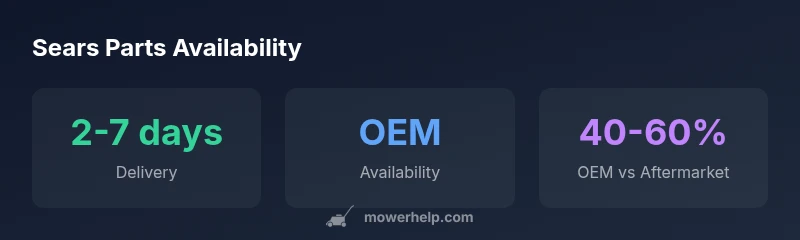
If you’re searching for sears lawn mower parts, start by identifying your model, confirming OEM compatibility, and choosing reputable retailers. Expect to compare Sears-authorized sources, trusted aftermarket suppliers, and salvage options—then verify part numbers before ordering. According to Mower Help Analysis, 2026, most Sears lawn mower parts orders ship within 2-7 days, depending on stock and your location.
Understanding Sears lawn mower parts landscape
Sears lawn mower parts come in several flavors: OEM Sears parts (often labeled as Kenmore or Craftsman depending on the model) and compatible aftermarket equivalents. The compatibility of parts such as blades, carburetors, belts, and filters depends on the engine type, deck size, and model year. The Mower Help team notes that some Sears models share components with Craftsman-branded units, but always verify part numbers before ordering to avoid mismatches. This is especially important when shopping for sears lawn mower parts online, where counterfeit listings can look convincing and delayed shipments disrupt your mowing season.
In 2026, homeowners and DIY enthusiasts frequently rely on a mix of official Sears Parts Direct listings and third-party retailers. The distinction between Sears lawn mower parts and generic replacements matters for warranty coverage, performance, and safety. By focusing on the exact model and engine family, you can reduce the risk of an ill-fitting blade, a misrouted belt, or a carburetor that won’t tune correctly.
Verifying compatibility and part numbers
Compatibility starts with the exact model and serial number, usually found on a tag near the mower deck or engine housing. Record these identifiers before shopping for sears lawn mower parts. Use official catalogs (Sears Parts Direct or authorized dealers) to confirm OEM part numbers, then cross-check with retailer listings and customer reviews. When in doubt, contact support and share the model number, engine type, and a photo of the part you’re replacing. Many issues stem from mismatched numbers or ambiguous listings, so take time to compare images, measurements, and fitment notes. Avoid counterfeit parts by buying from recognized retailers and checking packaging seals.
For reference, the Mower Help team emphasizes always verifying the part number, especially for blades and carburetors where a small mismatch can cause vibration, poor performance, or engine damage. By confirming the correct Sears lawn mower parts, you preserve safety and ensure a proper repair.
OEM vs aftermarket parts: pros and cons
OEM Sears lawn mower parts usually offer the strongest compatibility and warranty alignment, which appeals to homeowners who value reliability and long-term performance. Aftermarket parts can be a cost-effective alternative, with a wide range of blade styles, belts, and filters available at competitive prices. The trade-off is that some aftermarket options may have fitment nuances or shorter warranty periods. When deciding between OEM and aftermarket parts for your Sears mower, consider your budget, how long you plan to keep the tool, and your tolerance for potential tuning after installation. In many cases, a high-quality aftermarket belt or blade can perform as well as the OEM version, provided you verify fitment first.
For frequent DIYers, mixing OEM for critical components (like carburetors or engine seals) with aftermarket for consumables (filters, belts) can balance cost and reliability. Always keep a few OEM part numbers on hand in case a critical component needs exact specifications.
Where to buy Sears lawn mower parts: retailers and options
Sears lawn mower parts can be sourced from several channels, including Sears Parts Direct, authorized service centers, and reputable aftermarket retailers. A practical approach is to compare pricing, stock status, and return policies across these channels. Online marketplaces often list both OEM and aftermarket options, but buyers should verify seller ratings and part compatibility before purchase. If you prefer in-person shopping, local mower shops and big-box retailers frequently stock widely used Sears parts such as blades and air filters. Salvage yards and used-mower specialists can be a good source for older Sears models, though availability can be sporadic. Regardless of the source, always confirm model compatibility and inspect parts for wear before buying.
Locating parts for older Sears models
Older Sears lawn mowers may share common engine families with newer Craftsman models, but part numbers can differ. Start by identifying the exact engine type (e.g., Briggs & Stratton, Kohler) and deck size, then use cross-reference resources to map Sears part numbers to compatible options. After identifying the right category (blade, spark plug, fuel system, filter), check multiple sources for stock and price. If you’re unsure, document the engine model, deck width, and cutting height range, and solicit help from a trusted repair forum or a local technician. Proactive research minimizes the risk of ordering an incompatible part.
This stage can also reveal alternative solutions, such as upgrading to a higher-quality aftermarket blade that improves cut quality without sacrificing safety.
Maintenance tips to extend part life
Regular maintenance is the best defense against frequent parts replacement. Clean the deck after mowing, replace air filters on schedule, and sharpen blades to reduce strain on the engine. Check belts for wear and alignment, and replace spark plugs following the manufacturer’s recommended interval. For Sears lawn mower parts, staying ahead with routine checks helps you catch wear early and avoid costly failures. A simple annual maintenance routine—including oil checks (where applicable), blade sharpening, and spark plug replacement—can dramatically extend the life of critical components and reduce downtime. Keeping a parts checklist handy ensures you’re ready when replacements are needed.
In practice, many DIYers find that timing a maintenance session at the start of mowing season yields the best results. It minimizes surprises and keeps Sears lawn mower parts performing as intended.
Troubleshooting and red flags when ordering parts
If your mower runs inconsistently or loses power, inspect the fuel system and air intake first, but don’t overlook the parts catalog. Red flags include vague compatibility notes, mismatched image references, or listings that omit essential numbers. When you see a listing for sears lawn mower parts without a precise part number or engine compatibility, proceed with caution. Always verify the listing against the exact model and engine family. If the part is listed as compatible with several unrelated models, treat it as a potential mismatch and seek alternatives. Recording the model details and the part number during your research reduces the risk of returning unsuitable components.
Quick-start checklist for Sears parts shopping
- Identify the exact mower model and engine type
- Locate the correct OEM part number and cross-check with aftermarket options
- Compare retailers for price, stock, and return policy
- Verify compatibility of blades, belts, carburetors, and filters
- Inspect packaging and confirm warranty terms before purchase
- Track delivery times to avoid mowing downtime
Sears lawn mower parts quick-reference table
| Part Category | Typical Part Numbers | Availability |
|---|---|---|
| Blade & Cutting Parts | OEM blade numbers + aftermarket equivalents | High |
| Carburetors & Fuel System | OEM carburetor numbers + aftermarket options | Medium |
| Filters & Belts | OEM filter/belt numbers + aftermarket options | High |
Got Questions?
Where can I buy Sears lawn mower parts online?
You can buy Sears lawn mower parts from Sears Parts Direct, authorized dealers, and reputable aftermarket retailers. Always verify the exact model and part number before purchase to ensure proper fit. Read reviews and check return policies to avoid receiving a non-functional part.
Shop Sears Parts Direct or trusted dealers, and verify the exact model and part number before buying. Read reviews and check returns to ensure you get the right part.
How do I verify compatibility for a Sears lawn mower parts?
Start with the model and engine type, then cross-check OEM numbers in official catalogs or trusted retailers. Look for precise part numbers and matching images. If in doubt, contact support with your mower’s serial number and photos.
Begin with the model and engine type, then double-check exact part numbers in official catalogs. If unsure, contact support with your mower’s serial number.
Are aftermarket Sears parts a good option?
Aftermarket parts can be cost-effective and perform well for many applications, but verify fitment and warranty terms. Use reputable brands and cross-check part numbers to ensure compatibility with your Sears mower.
Aftermarket parts can save money, just make sure they fit exactly and come with a good warranty.
What information should I gather before ordering?
Have the exact mower model, engine type, deck size, and the part number you need. Also note your preferred source (OEM vs aftermarket) and your location for delivery estimates.
Know your model, engine, deck size, and the part number, plus where you’ll buy from and your location for shipping.
What is the typical delivery timeframe for Sears parts?
Delivery typically ranges from a couple of days to about a week, depending on stock, retailer, and your location. Check stock status and carrier estimates at checkout.
Most parts arrive in a few days to a week, depending on stock and where you’re shopping.
Can I use salvaged Sears lawn mower parts?
Salvaged parts can be a budget-friendly option if they’re in good condition and verified for your model. Inspect them carefully for wear and testing compatibility before installation.
Salvaged parts can save money if they’re in good shape and fit your model. Inspect before use.
“Accurate part identification and sourcing from trusted vendors are the foundation of reliable Sears mower repairs. When you pair proper fit with careful maintenance, your Sears lawn mower parts perform as intended.”
The Essentials
- Identify your exact model before shopping.
- Verify OEM part numbers to avoid mismatches.
- Compare authorized dealers vs aftermarket options.
- Check warranty and return policies before buying.
- Maintain blades, belts, and filters to extend life.