Work on Lawn Mowers Near Me: Safe, Step-by-Step Maintenance
Learn how to work on lawn mowers near you safely with a detailed, practical maintenance guide. Tools, safety tips, troubleshooting, and when to call a pro—everything you need to keep your mower running smoothly.


If you want to work on lawn mowers near me, this guide shows a practical, safe path to basic maintenance, diagnostics, and simple repairs. You’ll learn essential tools, safety checks, and how to decide when a pro is needed so you can keep your mower running reliably without unnecessary trips.
Why working on lawn mowers near you matters
When you work on lawn mowers near you, you reduce downtime and gain practical, hands-on understanding of how your equipment operates. According to Mower Help, local maintenance—whether you handle it yourself or hire nearby technicians—helps you spot issues early, address wear before it becomes costly, and extend the life of blades and engines. This section explains why proximity to service and familiar surroundings matter for safety, access to parts, and scheduling convenience. By keeping a regular local maintenance routine, homeowners save time and unexpected breakdowns while building confidence in DIY tasks.
Safety first: gear, environment, and best practices
Safety is the foundation of any hands-on mower work. Wear eye protection, long sleeves, and gloves; ensure the work area is clear of bystanders and pets; and never perform maintenance with the engine hot or fueled. The Mower Help team emphasizes disabling ignition, removing the spark plug wire, and disconnecting any power source before inspecting components. Keep a fire extinguisher and a first-aid kit nearby, and work on a stable surface with the mower securely supported. These precautions prevent injuries and make the task safer and more predictable.
Understanding mower types and what you can safely do locally
Different mower designs (gas, electric, battery, and riding models) have varying maintenance needs. For many small tasks—like blade inspection, cleaning, oil checks, and replacing spark plugs—homeowners can work locally with basic tools. Mower Help analysis shows that understanding your specific model’s manual and recommended intervals helps you avoid cross‑model errors. Always consult the manufacturer’s guidance for compatibility and part numbers before buying replacements.
Pre-work checks: fluids, battery, and fuel quality
Before you touch any moving parts, check the basics: oil level and quality, fuel freshness, and battery charge if applicable. Drain or replace stale fuel from your gas mower and inspect for water contamination or varnish at the fuel line. For electric/battery mowers, ensure the battery is properly charged, connectors are clean, and the charger is functioning. These pre-checks prevent misdiagnosis and help you target the real issue without guesswork.
Basic maintenance workflows you can safely perform near you
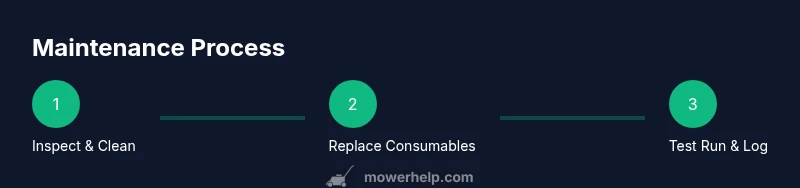
A disciplined maintenance routine includes blade inspection, cleaning the underdeck, air filter check, and spark plug maintenance. When you work on lawn mowers near you, you can perform these tasks with common hand tools and a little time. Keep a log of parts replaced and dates of service so you can track wear and schedule future upkeep accordingly. This keeps the mower efficient and reduces the risk of sudden failure.
Troubleshooting common issues you’ll encounter
Most mower issues fall into a few broad categories: fuel problems, ignition problems, clogged air/fuel pathways, or dull blades. Start with the simplest explanation—fuel freshness and air filter cleanliness—before diving into more involved fixes. If the mower loses power, stalls, or runs roughly, narrow down the cause by testing spark, fuel, and compression (where applicable). Document symptoms and steps you took to help a pro if you need to call one.
When to call a pro and how to find local service near you
Certain repairs require specialized tools, parts, or expertise. If you hear unusual noises, experience persistent hard starting, or observe dangerous fuel leaks, stop work and seek professional help. To find trusted local service, check manufacturer-recommended networks, local hardware stores, or community forums for nearby technicians. Scheduling a service call close to home reduces downtime and supports quick follow-up if issues recur.
Find local resources and plan ahead for ongoing maintenance
Develop a local maintenance plan that aligns with your climate and mower use. Create a simple calendar for seasonal tasks—blade sharpening, oil changes, and battery checks—and map out nearby service centers for annual tune-ups. Keeping a list of contact options, part suppliers, and a few backup tools ensures you can handle routine maintenance without waiting for long shipping times or an appointment far away.
Tools & Materials
- Owner’s manual(Keep for model-specific maintenance intervals and torque specs.)
- Wrench set (metric & imperial)(Sizes commonly include 10–17 mm; have adjustable wrenches for flexibility.)
- Screwdrivers (flathead and Philips)(For battery covers, air filter housings, and blade adapters.)
- Pliers and adjustable pliers(Used for clamps, spring connections, and fuel lines.)
- Spark plug wrench(If your mower uses a traditional spark plug, otherwise skip.)
- Carburetor cleaner(Safely clean jets if you have a carbureted engine.)
- Shop rag and cleaning brush(For wiping oil, fuel, and debris from surfaces.)
- Gloves and eye protection(Keep hands and eyes safe during handling and grinding.)
- Oil compatible with your engine(Check user manual for grade and capacity.)
- Fuel stabilizer (for storage)(Helpful for long storage periods.)
- Battery tester (for electric/battery mowers)(To verify proper charge and health.)
- Stable work surface or workbench(Prevent slips and slips while under deck.)
Steps
Estimated time: 60-90 minutes
- 1
Prepare the workspace
Clear a wide, flat area; gather tools; and place a floor mat or thick cardboard under the mower to catch spills. Ensure the engine is off and cool. Always disconnect the spark plug boot before touching moving parts to prevent accidental starts.
Tip: Double-check that the mower cannot move or roll; engage the parking brake or chock wheels. - 2
Disconnect power and fuel sources
For gasoline mowers, drain or stabilize fuel if you plan to work near the fuel system. For electric or battery mowers, unplug the charger and remove the battery if possible. This step eliminates the risk of accidental startup during inspection.
Tip: Label the battery and fuel containers to avoid cross-contamination. - 3
Inspect exterior and clean
Remove grass clippings and debris from the underdeck. Use a brush to dislodge caked material and wipe with a rag. A clean surface helps you spot wear and damage more easily.
Tip: A clean deck often reveals blade issues you’d otherwise miss. - 4
Check and replace the blade if needed
Carefully remove the blade while supporting it with a block or clamp. Inspect for nicks, cracks, and dullness; sharpen or replace as needed following the manufacturer’s torque specs.
Tip: Balance the blade after sharpening to prevent vibration. - 5
Change or clean the air filter
Remove the air filter and inspect. Clean if reusable, or replace with an OEM part if it’s clogged or damaged. A clean filter improves airflow and engine efficiency.
Tip: A dirty filter is a common reason for rough running and power loss. - 6
Inspect the spark plug (if applicable)
If your mower uses a spark plug, remove it and check for wear or fouling. Replace with a new plug if there are signs of wear, and set the correct gap according to the manual.
Tip: Never reuse a worn spark plug; poor ignition leads to stalling and hard starts. - 7
Check oil and fuel systems
Check oil level and quality; change if dark or contaminated. For fuel systems, inspect hoses and lines for cracks or leaks. Replace as needed and ensure no fuel leaks near hot surfaces.
Tip: Dispose of old oil and fuel responsibly per local regulations. - 8
Test run and observe
Reconnect power or fuel, start the mower, and listen for unusual sounds or vibrations. Check for smoke, poor acceleration, or stalls. If issues persist, consult the manual or a professional.
Tip: Keep hands clear of the blade and exhaust during startup. - 9
Log maintenance and plan next steps
Record what you did, which parts were replaced, and when you’ll service again. A simple log helps you maintain a consistent schedule and catch wear before it fails.
Tip: Set reminders in your phone or calendar for seasonal checks.
Got Questions?
Is it safe to perform basic maintenance on my lawn mower at home?
Yes, basic maintenance can be safe if you follow all safety steps: disconnect power, let the engine cool, and wear protective gear. Always consult the manual for model-specific guidance and know your limits.
Absolutely safe as long as you follow safety steps and use the manual for reference.
What common maintenance tasks can I do without professional help?
Cleaning the deck, sharpening a dull blade, replacing the air filter, changing the oil, and checking the spark plug are typical DIY tasks that most homeowners can handle with basic tools.
Most homeowners can handle deck cleaning, air filter replacement, and blade sharpening at home.
How often should I schedule blade sharpening for a typical mower?
Blade sharpening frequency depends on usage; inspect for dullness every 8-12 hours of cutting or when you notice reduced performance. Replace if damaged or unbalanced.
Inspect the blade every few uses and sharpen or replace as needed.
Can I work on a riding mower in my driveway?
Riding mowers require more space and stronger tools. If you’re unsure, perform only basic checks and consult a professional for complex repairs to avoid accidents.
Only perform simple checks if you’re unsure about maintenance on a riding mower.
What should I do if fuel leaks while I’m working?
If you notice a fuel leak, stop immediately, move away from ignition sources, and ventilate the area. Do not start the engine until the leak is fixed by a pro.
Stop work and address fuel leaks immediately; don’t restart until fixed.
Where can I find replacement parts locally?
Check the mower model’s official parts list, local mower shops, and authorized service centers. Having your model number handy speeds up the search.
Look up your model number and visit nearby mower shops or the brand’s service centers.
Watch Video
The Essentials
- Follow local maintenance steps near you to minimize downtime
- Always shut off power and disconnect the spark plug before inspection
- Regular blade, air filter, and oil checks prevent major failures
- Record a maintenance log for predictable upkeep
- Know when to call a pro to avoid safety risks