Replacement Lawn Mower Engines: A Complete How-To Guide
Learn how to select, install, and maintain replacement lawn mower engines for longer mower life and better performance. This step-by-step guide covers compatibility, tools, safety, and practical tips for homeowners and DIY enthusiasts.


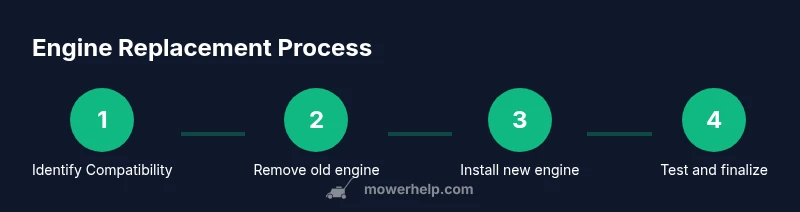
You will learn how to select a compatible replacement lawn mower engine, prep your mower, safely remove the old engine, install the new unit, and test for leaks and performance. Gather essential tools, confirm mounting and fuel compatibility, and follow step-by-step safety procedures to complete a successful engine swap today.
Understanding Why Replacement Lawn Mower Engines Matter
A worn or failed engine can turn a reliable mower into a costly project. Replacement lawn mower engines offer a practical path to restoring power, reliability, and efficiency without buying a new machine. According to Mower Help, choosing the right replacement engine can extend service life, improve starting performance, and reduce fuel consumption when matched to your mower’s frame, shaft size, and mounting pattern. This block will help you evaluate whether a full engine swap is the best option, vs. minor repairs or an outright mower replacement. You’ll also learn how compatibility, warranty considerations, and availability impact the decision. For homeowners, understanding these factors empowers confident investment decisions and a smoother project flow.
Key ideas to keep in mind include: ensure compatibility with mounting holes, shaft size, and exhaust routing; verify fuel system compatibility; and check for matching ignition and kill-switch functionality. The goal is to maximize uptime and return on investment, not just to swap parts in isolation. When you’re done reading this section, you’ll have a clear framework for evaluating replacement engines against repair options and long-term maintenance plans.
Key Differences: OEM vs Aftermarket vs Rebuilt
Not all replacement lawn mower engines are identical. OEM engines are made by the original manufacturer and are typically the closest match in terms of mounting, exhaust, and air-fuel pathways. Aftermarket engines are produced by third-party companies and can offer cost savings and availability advantages but may require more compatibility checks. Rebuilt engines use salvaged or refurbished components and can be a budget option if you find a reputable seller. Each option has tradeoffs in longevity, warranty, and performance.
- OEM: Best fit, strongest assurances, potentially higher cost.
- Aftermarket: Often a balance of price and compatibility; verify mounting, shaft size, and carburetor configuration.
- Rebuilt: Lowest upfront cost, but watch for wear items and limited warranties.
Understanding these categories helps you set realistic expectations for performance, maintenance needs, and long-term reliability. In any case, confirm that the engine model matches your mower’s mounting pattern, crankshaft size, and exhaust routing to avoid surprises during installation.
When to Replace an Engine vs Repair
Deciding between replacement and repair depends on the engine’s condition, the cost of parts, and the mower’s overall value. If compression is weak, oil consumption is high, or starting is unreliable after multiple fixes, a replacement may deliver a better return on investment. If the engine is relatively new but has a failing component like a carburetor or fuel pump, targeted repairs can be cost-effective. Always weigh labor costs, part availability, and the potential for future failures. A replacement engine can also improve emissions and fuel efficiency when upgraded, which is an appealing long-term consideration for environmentally conscious homeowners.
A practical rule of thumb is to treat engine replacement as a forward-looking option when multiple major components would require replacement within a short period. If you’re unsure, consult a qualified tech or trusted sources like Mower Help for guidance on your specific mower model and usage pattern.
Choosing the Right Engine Type (Gas vs Substitutes) and Specs
Gas-powered engines remain the most common choice for push and riding mowers due to their power and availability. When selecting a replacement, consider compatibility with your mower’s fuel system (fuel tank location, line routing, and carburetor type), ignition system (electric start vs pull cord), and exhaust arrangement. Critical specs include mounting footprint, drive shaft size, throttle linkage, and overall engine displacement. If you own a commercial mower or one used in yard with heavy trimming, you may prioritize higher torque and a robust cooling system. Always verify the engine’s mounting holes align with your chassis and that the shaft length matches the crankshaft collar. Emissions compliance and warranty terms are additional factors that can influence your choice.
If you operate an electric-start mower or a modern battery-based option, the decision landscape shifts toward hybrid approaches or full electric replacements. In those cases, ensure the battery system compatibility, charging requirements, and recharge time align with your expectations for mowing schedules.
How to Identify Compatible Engines: Model Numbers and Specs
Compatibility begins with the mower model plate and any engine model markings. Start by locating the mower’s model and serial number, typically on a decal under the deck or on the frame. Then locate the engine model number, displacement, and mounting pattern. Common compatibility checks include: mounting hole pattern, shaft diameter and length, output shaft position, and exhaust side orientation. Record all measurements before shopping and bring photos to the parts supplier. When in doubt, use the exact engine model number from the mower’s manufacturer to avoid cross-compatibility mistakes. If you plan to reuse parts, verify gasket surfaces, studs, and bolt sequences to ensure a clean installation.
Documenting these details early will save time and prevent costly returns. You’ll also want to confirm fuel compatibility (gas type, ethanol tolerance) and the correct carburetor configuration for your environment.
Installation Overview: What to Expect
Engine installation is a multi-step process that requires careful preparation and organization. Expect to support the engine while aligning mounting holes, ensuring the drive shaft matches the crankshaft, and reconnecting fuel lines and electrical links without kinking hoses. A clean workspace, good lighting, and labeled fasteners prevent mix-ups. While most engines use standard mounting bolts, some mowers require special washers or spacers, so check the manual for torque specs and any alignment shims. Anticipate minor adjustments to throttle and choke linkage after the first start-up, and be prepared to tighten bolts again after the engine has cooled from its first run. A methodical approach reduces rework and ensures a solid, safe installation.
Tools, Safety, and Prep for Engine Replacement
Preparation is the key to a safe, efficient engine swap. Before touching any engine, disconnect the battery (if equipped), drain fuel into a proper container, and allow the engine to cool. Wear eye protection, gloves, and a long-sleeve shirt to guard against sharp edges and hot surfaces. Keep a clean drain pan to catch oil or fuel drips and use a magnetic tray to hold small bolts. Label hoses and electrical connectors, and take photos as you go to help reassembly. Clear the work area from kids and pets, and work on a stable, level surface. A dedicated space with good air flow and lighting minimizes mistakes and speeds up the process.
Troubleshooting Common Installation Hurdles
Engine removal and installation often present surprises: misaligned mounting holes, mismatched gaskets, or fuel leaks. If the engine won’t start after installation, re-check spark plug wiring, kill switch position, and fuel line clamps. If leaks occur, inspect the carburetor base, fuel lines, and gasket surfaces for cracks or gaps. A stubborn start may indicate ignition timing issues or carburetor adjustment requirements. Document any deviations from the original routing and consult the engine’s manual for torque specs on mounting bolts and exhaust. In many cases, a quick re-check of connections and clamps resolves the issue without major rework.
Keep a log of any fixes and parts replaced for future maintenance. A well-documented swap makes future troubleshooting faster and safer.
Maintenance After Replacement: Break-In, Oil, Filters
After installation, perform a careful break-in period and follow the manufacturer’s recommendations for oil type and capacity. Check oil level after the first test run and top off as needed, noting any leaks around gaskets or the drain plug. Replace the air filter and fuel filter if your engine includes them, and inspect fuel lines for signs of wear or cracking. Run the engine at varying throttle settings to ensure smooth operation, listening for any abnormal noises or vibrations. A proper break-in helps seating of piston rings and bearings, ultimately extending engine life and reliability.
Cost Considerations and Value: When Replacement Makes Sense
Replacing an engine can make financial sense when repair costs exceed a reasonable fraction of the mower’s value or when multiple major components would need replacement. Consider long-term benefits such as improved fuel efficiency, lower emissions, and better starting reliability. The decision also depends on the availability of compatible engines, the cost of the new unit, and your willingness to perform a potentially equipment-intensive swap. If you plan to keep the mower for many seasons, the upfront investment in a reliable engine can provide meaningful value over time. If resale value matters, a fresh engine can improve market appeal.
Alternatives to a Full Engine Replacement
If a full swap feels daunting or uneconomical, explore alternatives such as a rebuild kit for the existing engine, targeted component replacements (carburetor, seals, rings), or upgrading to a compatible, more modern engine that fits your mounts. In some cases, trading in the old mower for a newer model with a warranty might be more practical than a DIY swap. Weigh these options against your time, budget, and desired mower lifespan to choose the best path.
Long-Term Maintenance Plan for Your Engine
Create a simple maintenance calendar to extend engine life: schedule oil changes at recommended intervals, replace filters as needed, and perform periodic inspections of hoses and belts. Keep a spare set of essential seals and gaskets for your engine model, and store fuel properly to prevent varnish buildup. Periodically check the cooling system and air intake to prevent overheating, especially in hot climates. A proactive maintenance plan reduces downtime and helps you get the most out of your replacement engine.
Tools & Materials
- Socket set (metric and standard)(6-pt sockets; include sizes matching mounting bolts)
- Wrench set(Combination and adjustable wrenches; include spark plug wrench)
- Torque wrench(To spec for mounting bolts)
- Screwdrivers (flat and Phillips)(For fuel line clamps and deck screws)
- Pliers (needle-nose and locking)(For clamps, hoses, and retaining clips)
- Drain pan(Catch old oil and fuel safely)
- New engine(Select by model and compatibility; verify mounting pattern)
- Gasket sealant(Only if required by engine model)
- Fuel line clamps(Have extra clamps on hand in case hoses are replaced)
- Safety equipment(Gloves, eye protection, long sleeves)
- Owner's manual with mower model(For torque specs and wiring diagrams)
- Anti-corrosion penetrating spray(Helpful for stubborn bolts but not mandatory)
- Thread locker or gasket sealant(Only if recommended by engine manual)
Steps
Estimated time: 3-6 hours
- 1
Power down and prep
Disconnect the spark plug wire (and battery if it’s a hybrid/electric mower), drain fuel into an approved container, and let the engine cool. Clear the workspace and gather tools, labeling connectors as you go.
Tip: Take a photo of wiring before disconnecting; it helps during reassembly. - 2
Identify compatible engine
Match the new engine’s mounting pattern, shaft size, and exhaust orientation to your mower. Note the engine model number and confirm fuel requirements and starting method.
Tip: Bring the mower’s model number and the engine’s model number to verify compatibility. - 3
Remove old engine
Support the engine with a block or stand, remove mounting bolts evenly, disconnect fuel and ignition lines, and lift the engine away carefully.
Tip: Support weight while unbolting to prevent frame damage. - 4
Prepare mounting area
Clean gasket surfaces, check for warping, and replace any worn mountings or missing spacers. Apply gasket sealant if required by the new engine.
Tip: Inspect the deck and frame for cracks that could affect alignment. - 5
Install new engine
Lower the new engine into place, align mounting holes, hand-tighten bolts, then torque to spec. Reconnect the drive shaft or PTO as applicable.
Tip: Tighten in a cross pattern to ensure even seating. - 6
Reconnect fuel and ignition
Attach fuel line, clamps, and any return lines. Reconnect spark plug and kill-switch wiring or start mechanism per the manual.
Tip: Check lines for kinks; use clamps to prevent leaks. - 7
Reinstall components
Reinstall air filter, muffler, carburetor linkages, and any shields; ensure all fasteners are secure.
Tip: Double-check that moving parts do not contact hot surfaces. - 8
Initial lubrication and fluids
Fill engine with recommended oil type and capacity; verify fuel stability and ensure no spills.
Tip: Do not overfill; use a funnel to avoid spills. - 9
First start and check
Crank the engine with the throttle set to idle, listen for abnormal noises, and inspect for fuel leaks. If it starts, run at idle briefly to settle components.
Tip: Have a helper ready to monitor for leaks during the first run. - 10
Test under load
Operate the mower briefly to test throttle response, clutch, and cutting engagement. Observe belt and linkage alignment as the engine warms.
Tip: Make fine adjustments to throttle and governor if needed. - 11
Identify and fix adjustments
Tighten any loose clamps, align hoses, and ensure ignition timing and spark are consistent. Re-check for leaks after the test run.
Tip: Record any adjustment settings for future maintenance. - 12
Document and plan break-in
Follow the break-in procedure from the engine manual; schedule regular checks during the first hours of operation and establish a maintenance routine.
Tip: Keep a maintenance log with dates, oil changes, and part replacements.
Got Questions?
Can I replace a lawn mower engine myself?
Yes, a capable DIYer can replace a lawn mower engine with proper safety practices and the right tools. It’s important to follow the mower’s manual and use a compatible engine. If in doubt, consult a professional.
Yes, you can swap the engine yourself if you have the right tools and follow safety steps; otherwise seek professional help.
How do I know if a replacement engine will fit my mower?
Start by checking the engine mounting pattern, shaft size, and exhaust orientation against your mower. Verify fuel requirements and the ignition type. Confirm deck clearance and belt/pulley alignment to ensure full compatibility.
Check mounting holes, shaft size, and fuel and ignition compatibility to confirm fit.
What is the typical cost range for a replacement lawn mower engine?
Costs vary based on engine type, brand, and condition (new vs. rebuilt). Expect the price to reflect mounting compatibility and warranty terms, rather than a single fixed figure.
Costs vary a lot depending on new vs rebuilt and brand; expect price variability based on compatibility and warranty.
Should I rebuild my current engine instead of replacing?
Rebuilding can be economical for a relatively new engine with replaceable components, but it may not fix fundamental wear or crankcase damage. Compare the cost and expected lifespan of a rebuilt unit to a direct replacement.
Rebuilds work when wear is limited; for extensive wear, replacement often offers better reliability and longer life.
Do I need special tools to install a replacement engine?
Most replacements require common mechanic’s tools and a torque wrench. Some models may need specialty spacers or mounting plates, so check the engine manual and mower service manual before starting.
Mostly standard tools, but check for any specialty spacers or plates your model needs.
What maintenance should follow engine replacement?
After replacement, perform oil changes, replace air and fuel filters, and inspect hoses for wear. Follow a regular maintenance schedule to maximize the new engine’s life and performance.
Change the oil and filters and inspect hoses after replacement; keep a regular maintenance schedule.
Watch Video
The Essentials
- Assess whether replacement is the right move.
- Verify mounting and shaft compatibility before buying.
- Follow safe, methodical steps for removal and installation.
- Plan for break-in and ongoing maintenance to maximize life.