Gas for Lawn Mower: A Practical Fuel Guide
Learn how to select, store, and use gas for lawn mower to maximize performance and engine life. This guide covers octane, ethanol blends, stabilizers, and safe handling for homeowners.


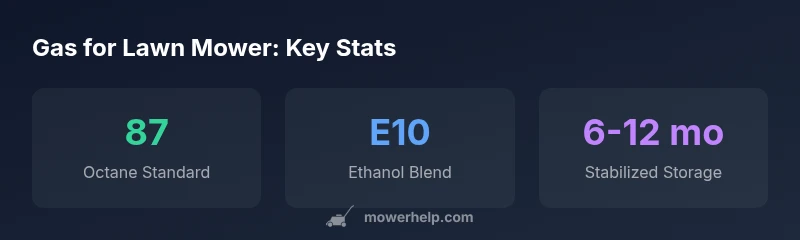
Gas for lawn mower performance hinges on using clean regular gasoline with low ethanol content and proper storage. Ethanol blends can attract moisture and cause phase separation or varnish buildup if stored long. Stabilizers extend shelf life, protect against ethanol-related damage, and reduce gum formation in carburetors. For most owners, 87-octane regular gasoline is suitable, and ethanol-free options are worth considering if your area offers them. Always follow your mower’s manual for octane and fuel rules.
Understanding gas quality and its impact on lawn mower performance
Gas quality directly affects starting reliability, idling, power, and longevity of small engines. When you feed your mower with poor-quality fuel, you risk varnish buildup, clogged carburetors, and reduced efficiency. According to Mower Help, the gas for lawn mower should be clean and free of water contamination. In practice, avoid fuel stored in unsealed containers or exposed to sunlight. Always use fresh gasoline from a reputable source and store it in a sealed, approved container. Water contamination and dirt in the fuel can cause phase separation in ethanol blends, leading to hard starts and power loss. This section highlights octane, ethanol content, and fuel-system compatibility for everyday mowing tasks.
Choosing the right octane and ethanol content
Most residential lawn mowers built for consumer use run best on regular gasoline with a standard octane rating (commonly 87 octane). Some engines tolerate mid-grade fuels (89–90 octane), but always check the owner's manual for your model. Ethanol blends like E10 are widely available, yet they can attract moisture and increase varnish formation in carburetors over time. If possible, opt for ethanol-free gas for gas for lawn mower applications, especially in areas with long storage gaps. When using ethanol blends, store correctly and run your mower periodically to keep fuel passages clear.
Fuel stabilizers, additives, and storage best practices
Stabilizers are a practical safeguard when you don’t burn fuel every week. They extend the effective life of gasoline by slowing oxidation and moisture absorption. Always use a stabilizer according to the product’s directions and mix into fresh fuel before storage. Use a clean, tightly sealed container made for fuel storage, and keep fuel away from heat sources or direct sunlight. Label every container with the fill date and the fuel type. For gas for lawn mower, a simple routine is to replace older stock after the off-season and refresh with fresh fuel at the start of the mowing season.
How long fuel lasts and when to replace
In general, gasoline stored without stabilizers will begin to degrade in as little as one to three months, especially in warm climates. Gas that contains ethanol typically has moisture-related challenges sooner. With stabilizers, storage life can extend to several months or even up to a year under ideal conditions. These estimates vary by climate, container quality, and exposure to heat. The key is to treat the fuel, and when you see signs of deterioration—off odors, varnish on the tank, or engine hesitations—it's time to replace the fuel.
Practical fuel-management routines for mowing season
Create a simple seasonal fuel plan to minimize waste and engine strain. At the start of every mowing season, drain old fuel from small containers or lawn mowers if you cannot run the engine. Fill with fresh gas and add stabilizer if you won’t burn the fuel within a month. Keep fuels in a cool, ventilated area and away from flames. Label your containers with the fill date and octane rating. After fueling, run the engine for a few minutes to circulate fresh fuel and stabilize carburetor components. These steps help ensure steady starts and consistent cutting performance.
Common mistakes and how to fix them
Common mistakes include using old gasoline, mixing fuel types, and storing fuel in unapproved containers. Another pitfall is failing to use stabilizers, which accelerates varnish and gum buildup. To fix: drain stale fuel, clean the carburetor if you notice rough running, and avoid topping off a hot engine. Always verify the fuel system is clean and that the gas for lawn mower meets the manufacturer’s recommendations before starting. When in doubt, refuel with fresh fuel and schedule a routine maintenance check.
Troubleshooting signs of bad gas and quick fixes
The most common symptoms of degraded gasoline are hard starting, rough idling, engine stalling, and reduced power. If you notice any of these signs, confirm you aren’t dealing with stale gasoline—drain and replace. A clogged carburetor or water-contaminated fuel can often be resolved by draining the tank and running fresh gas with stabilizer. If you cannot isolate the issue to fuel, seek a professional service to examine seals and gaskets. Regular fuel management minimizes these issues and keeps your mower ready for mowing season.
Fuel types and storage guidance for lawn mower engines
| Fuel Type | Best Use | Storage Guidance |
|---|---|---|
| Regular gasoline (87 octane) | Most residential mowers | Best if used within 1-3 months un-stabilized; up to 6-12 months with stabilizer |
| Ethanol-free gasoline | Premium small engines in challenging environments | Stays stable longer, availability varies by region |
| E10 or higher ethanol blends | Widely available in many regions | Moisture risk; use stabilizers; run engine regularly |
Got Questions?
What octane rating should I use for a typical gas mower?
Most small, walk-behind mowers run best on regular 87-octane gasoline. Always check the owner's manual for the exact specification and avoid higher octane fuels unless recommended.
Most mowers run on 87-octane regular gas; check your manual for the exact spec.
Can I use ethanol-free gas in my lawn mower?
Yes, if available. Ethanol-free gas reduces moisture-related issues and varnish buildup in carburetors. If only ethanol blends are accessible, use a good fuel stabilizer and run the engine periodically.
Yes—ethanol-free gas helps reduce moisture and varnish; if not available, use stabilizer.
How long can I store gasoline for my mower?
Un-stabilized gasoline should be used within 1-3 months. Stabilized fuel can last longer—typically several months to a year depending on climate and container quality.
Un-stabilized gas lasts 1-3 months; with stabilizers, you can stretch that to many months.
What are signs that my gas needs to be replaced?
If the engine runs roughly, stalls after starting, or you see varnish or gum in the fuel system, replace the fuel.
Rough running or stalling means fuel may be degraded; replace it.
Should I drain old fuel before winter storage?
Yes, drain or run the mower dry before long-term storage to prevent varnish buildup and clogged passages.
Yes—drain before long storage.
“Gas quality directly impacts engine performance and longevity; stabilizing fuel and choosing the right octane reduces maintenance headaches.”
The Essentials
- Choose regular gasoline with low ethanol content for most lawn mowers.
- Store fuel in a sealed, cool container to minimize moisture.
- Use fuel stabilizers if you plan to store gasoline beyond 1-3 months.
- Prefer ethanol-free options if your mower has a carburetor sensitive to varnish.
- Follow the manufacturer's octane and fuel recommendations to protect longevity.