Lawn Mower Gas Type: Choosing the Right Fuel
Learn how to choose the right lawn mower gas type, distinguish 4-stroke and 2-stroke engines, understand ethanol effects, and master storage tips to extend mower life.


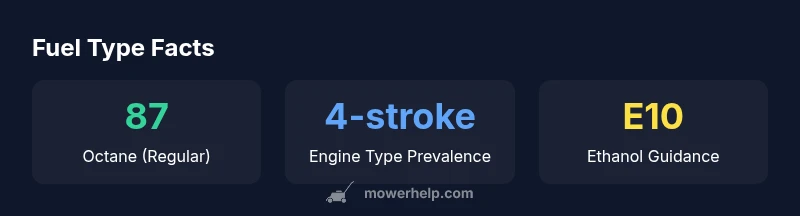
The lawn mower gas type you choose depends on engine design: 4-stroke mowers run on straight gasoline (usually 87 octane), with ethanol-free or stabilized fuel preferred; 2-stroke engines require a premixed gas-and-oil blend at a specific ratio. Always consult the owner's manual for model-specific fuel requirements.
What the term lawn mower gas type means and why it matters
Understanding the right fuel for your mower starts with recognizing the type of engine in your unit. Most modern lawn mowers are four-stroke, meaning they operate on straight gasoline without oil mixed into the fuel. Two-stroke engines, which you’ll see in older models or certain specialty machines, require a premixed gasoline and oil solution at a precise ratio. Using the wrong gas type can cause starting problems, reduced power, and long-term engine wear. For homeowners, the most practical starting point is to identify your engine class from the manual or the engine label. From there, you can match the recommended fuel to ensure reliable starts and steady performance throughout the mowing season.
4-stroke vs 2-stroke: what changes for gas requirements
In a 4-stroke engine, fuel goes directly into the combustion chamber and separate oil lubricates the engine. This design relies on clean, unmixed gasoline. A 2-stroke engine combines fuel and oil for lubrication, so you must use premixed gas at the ratio specified by the manufacturer. If you’re unsure, assume your mower is a 4-stroke and verify. When in doubt, using the owner’s manual as the primary authority reduces the risk of harmful fuel mistakes.
Ethanol in gasoline and its impact on lawn mowers
Gasoline sold in many regions includes ethanol, often labeled E10, meaning ten percent ethanol. Ethanol can absorb water, degrade storage stability, and lead to gum formation in carbs—especially on older or poorly maintained engines. The best practice is to use ethanol-free gasoline if available, or fuel specifically labeled for small engines, and always follow the manufacturer’s ethanol tolerance guidance. A bottle of fuel stabilizer can help when storing gasoline for a season.
How to choose the right fuel for your mower brand and model
Always start with the owner’s manual or the engine label. Some brands specify “ethanol-free” fuel, while others tolerate low-ethanol blends like E10. If you rotate seasons or store fuel, stabilizers and sealed containers help maintain fuel quality. When you're between uses, consider running a quick fuel line flush or a short test mow to confirm stable operation. In general, regular gasoline with minimal additives is a safe baseline, but your model may have unique requirements.
Fuel storage and maintenance tips to extend mower life
Store fuel in a clean, approved container away from heat and sunlight. Use a stabilizer if fuel will sit for more than a month, and rotate stock to avoid old gas lingering in your tank. Keep the air filter clean and the carburetor free of varnish by running the mower briefly after storage. If you notice hard starting, poor idle, or sputtering, rule out fuel quality first before inspecting spark plugs or carburetion.
Common myths and quick fixes you can trust
Myth: premium gasoline improves performance for every mower. Reality: most engines run perfectly on regular 87 octane if ethanol content is appropriate for your model. Myth: you can ignore fuel quality if you store oil and air filters well. Reality: fuel quality still matters, as stale fuel damages carburetors and pistons. Quick fixes like a fuel stabilizer, fresh fuel, and proper oil-to-gas mixtures (for 2-strokes) often resolve many starting and running issues.
Fuel type compatibility by engine type
| Fuel Type | Engine Type Compatibility | Notes |
|---|---|---|
| Regular unleaded (87 octane) | 4-stroke gasoline engines | Common choice; check manual |
| Premixed gasoline with oil | 2-stroke engines | Requires correct ratio per manual |
| High-octane or premium gasoline | Some 4-stroke engines | Not usually necessary unless specified |
Got Questions?
What gas should I use for a 4-stroke lawn mower?
Most 4-stroke mowers run on straight gasoline, typically 87 octane. Check your manual for any brand-specific guidance and ethanol recommendations to avoid stale fuel issues.
For most four-stroke mowers, use regular gasoline—check the manual for exact fuel guidance.
Can I use E15 or E85 in my mower?
Many small engines cannot tolerate high ethanol concentrations. Prefer E10 or ethanol-free fuel unless the manual explicitly allows higher ethanol content.
Avoid high-ethanol fuels unless your manual confirms it's safe.
Do I need to mix oil with gasoline for my mower?
Only if you have a 2-stroke engine. 4-stroke mowers require straight gasoline with separate oil lubrication for other parts.
Mix oil with gas only if you have a 2-stroke engine.
How long can I store gasoline for my mower?
Stored fuel quality depends on stabilizers and container lid tightness. Use fresh fuel whenever possible and rotate stock with seasonal changes.
Store with stabilizer and use fresh fuel when you can.
What happens if I put the wrong gas in my mower?
Using the wrong fuel can cause starting problems, poor performance, and potential engine damage over time. Drain and replace with the proper type as soon as possible.
Wrong fuel can harm performance and engine life, so fix it quickly.
Is premium gasoline ever necessary for lawn mowers?
In most cases, regular 87 octane is sufficient. Only use premium if the manufacturer specifies it for your model.
Premium gasoline isn't usually needed unless the manual says so.
Can I mix fuels for convenience?
Mixing fuels is not advised. Use the recommended fuel and avoid blending fuels to prevent compatibility issues.
Don't mix fuels—stick to what the manual calls for.
“Choosing the correct lawn mower gas type isn't optional—it protects your engine and keeps mowing seasons running smoothly.”
The Essentials
- Identify your engine type from the manual before buying fuel
- Prefer ethanol-free or low-ethanol gasoline when possible
- Use fuel stabilizer for seasonal storage
- Never mix oil into fuel in a 4-stroke engine
- Follow the manufacturer’s recommended fuel type precisely