Lawn Mower Fuel Guide: Choosing, Mixing, and Safe Storage
Learn how to choose the right lawn mower fuel, understand fuel types, mix fuel for two-stroke engines, store safely, and maintain your fuel system with practical steps and safety tips for 2026.


This guide helps you choose the right lawn mower fuel, explains when to use different fuel types, covers two-stroke versus four-stroke engines, and outlines safe storage practices. You’ll learn how to avoid common fuel mistakes that cause hard starting, poor performance, or engine damage. The steps below provide a practical path for homeowners and DIY enthusiasts in 2026.
Why the Right Lawn Mower Fuel Matters
Choosing the correct fuel is foundational for reliable starting, smooth operation, and long engine life. For homeowners and DIY enthusiasts, the fuel you put in your mower determines how cleanly the engine runs, how quickly it warms up, and how well it tolerates storage. According to Mower Help, using the wrong fuel can cause varnish buildup, gummy deposits, and fuel-system issues that manifest as hard starting, misfires, or rough idle. In 2026, many mower problems trace back to degraded, stale, or improperly stored fuel rather than a worn mechanical part. This section explains why fuel choice matters across engine types and how to identify the fuel your mower requires by consulting the owner’s manual and manufacturer recommendations. Good fuel practices set the stage for safe operation and fewer surprises in the yard.
Types of Lawn Mower Fuel
Mowers typically run on gasoline, especially standard four-stroke engines, but some smaller units and most handhelds use fuel blends or two-stroke mixes. Ethanol-blended fuels are common in many markets, and it’s important to understand how ethanol content interacts with mower components like rubber gaskets and carburetors. The key takeaway is to use the fuel type and ethanol content your manual specifies and to avoid mixing fuels from different brands or batches when possible. Fresh, properly stored fuel translates to easier starting and steadier RPMs, while stale fuel can cause varnish buildup and carburetor deposits that are costly to fix. The Mower Help team emphasizes checking the manual for acceptable fuel types and avoiding overextended storage of anything older than a typical season.
Gasoline and Ethanol: What You Should Know
Most gas-powered mowers rely on gasoline with some ethanol content. While ethanol can improve octane, it also attracts moisture and can cause rubber and plastic components to swell or crack if stored long-term. Always verify the fuel you buy is compatible with your engine type and use a fresh batch at the start of the season. If your mower has a fuel filtration system, ethanol-related moisture can worsen varnish and varnish-salt deposits. By staying within the manufacturer’s ethanol guidance and avoiding old, degraded fuel, you reduce the risk of starting issues and engine roughness. As noted in Mower Help analysis, fuel quality and storage habits are major determinants of mower reliability.
Two-Stroke vs Four-Stroke Fuel Needs
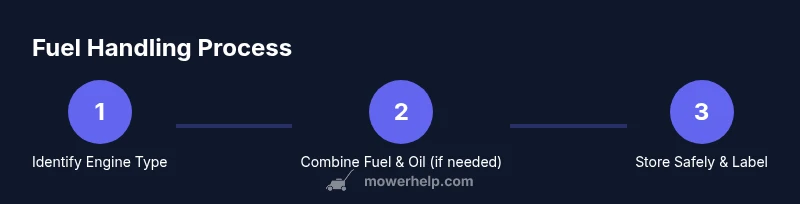
Two-stroke engines require a specific fuel-oil mixture, while four-stroke engines run on straight gasoline. Always confirm your engine type before mixing or purchasing fuel. For two-stroke units, use the oil and gasoline ratio recommended by the manufacturer and mix in a clean container away from heat sources. Four-stroke engines typically use gasoline alone, but always confirm if your model accepts fuel additives or special blends. The difference matters because incorrect mixtures or fuel types can flooding the carburetor or starving the engine of proper lubrication. Remember that the wrong fuel
Selecting Fuel for Your Engine: Practical Guidelines
Use the fuel type specified in your mower’s manual, and prefer fresh, properly stored gasoline. When possible, avoid fuels with high ethanol content if your manual warns against it. Choose a reputable supplier and avoid buying near old stock or gasoline that has sat in a container for months. If you store fuel for more than a few weeks, consider a fuel stabilizer to slow degradation and reduce varnish formation. Keeping fuel in a certified container and away from sunlight or heat helps preserve quality and performance.
Mixing Fuels and Oil Ratios (Two-Stroke Engines)
Follow the exact ratio recommended by the manufacturer for any two-stroke engine. Measure carefully in a clean, labeled container and never mix directly in the mower’s fuel tank. After combining the fuel and oil, cap the container securely and stir or shake gently to achieve a uniform mixture. When you’re done, add the fuel to the mower in a well-ventilated area and wipe any spills immediately. Compromised mixtures can cause poor performance or damage. A properly prepared mix supports clean exhaust and predictable power delivery.
Storage and Handling: Safe Fuels, Safe Mowers
Store fuel in a certified, clearly labeled container kept in a cool, ventilated, and dry area away from ignition sources. Use a stabilizer for longer storage, and replace stored fuel before the season starts if it has sat for more than a few weeks. Always cap, seal, and label containers to avoid mix-ups and potential fires. Handle fuel with gloves and safety glasses to protect against splashes, and keep kids and pets away from fueling zones. Prevent spills by placing containers on the ground and never filling a container while it’s in a vehicle or on a heat source.
Troubleshooting: Common Fuel-Related Issues
If your mower starts but stalls or runs unevenly, the fuel is often the culprit. Check for stale fuel, contaminated fuel with water or varnish, and clogged carburetors or fuel filters. Hard starting after storage can indicate fuel degradation or moisture buildup; refreshing with fresh fuel and stabilizers can help, but persistent issues may require carburetor cleaning or professional service. For engines that won’t start at all, inspect the spark plug, air filter, and fuel line for blockages in addition to fuel quality checks.
Maintenance Practices to Extend Fuel System Life
Regular maintenance reduces fuel-related problems and extends the life of your mower’s fuel system. Run the engine after refueling to circulate new fuel, replace old fuel promptly after storage, and inspect hoses, gaskets, and seals for signs of wear. Clean or replace fuel filters as recommended by the manufacturer, and keep a simple log of storage dates and fuel types used. A disciplined approach, combined with high-quality fuel and properly stored additives, helps ensure reliable starts and smooth operation throughout the season.
Tools & Materials
- Gasoline (unleaded)(Check your engine manual for acceptable octane and ethanol content.)
- Approved fuel container(Metal or plastic, leak-proof, clearly labeled for fuel only.)
- Fuel stabilizer(Helps extend storage life for stored fuel.)
- Two-stroke oil(Only for two-stroke engines; follow manufacturer ratio.)
- Gloves and safety glasses(Protect hands and eyes during fueling.)
- Funnel or siphon(Helpful for neat transfer without spills.)
- Clean rags(Use to wipe spills and wipe down the fill area.)
Steps
Estimated time: 60-90 minutes
- 1
Identify engine type
Check the mower manual or look at the engine labels to determine if you have a two-stroke or four-stroke engine. This guides whether you’ll mix fuel with oil or use straight gasoline.
Tip: If unsure, assume four-stroke and use gasoline only until confirmed. - 2
Gather required materials
Pull together a clean, labeled fuel container, the appropriate gasoline, PPE, and any stabilizers or oils required for your engine type. This minimizes interruptions and reduces spills.
Tip: Work in a well-ventilated area away from heat sources. - 3
Fill a clean container with fresh gasoline
Pour fresh gasoline into the approved container, avoiding old stock. Do not fill containers inside vehicles or near ignition sources. Confirm the ethanol content matches the engine’s guidelines.
Tip: Keep the container upright and sealed when not in use. - 4
Mix fuel for two-stroke engines if required
If you have a two-stroke engine, add the correct amount of oil to the gasoline per the manufacturer’s ratio in a clean container and mix thoroughly before filling the mower.
Tip: Pour slowly and cap securely after mixing to prevent leaks. - 5
Fill the mower tank with fuel
Use a funnel to pour fuel into the mower’s tank, wipe any drips, and avoid overfilling. Run the mower briefly in a safe area to purge air and verify smooth operation.
Tip: Always fuel in a level area and stand to the side to avoid splashes. - 6
Label and store the fuel container
Seal the container and label it with the date and contents. Store in a cool, ventilated place away from ignition sources and direct sunlight.
Tip: Keep fuel storage limited to a season’s supply if possible. - 7
Clean up and inspect after fueling
Wipe spills, check hoses and clamps for wear, and inspect the carburetor and air filter for signs of fuel residue or dirt after refueling.
Tip: Dispose of rags and absorbent materials safely if soaked with fuel. - 8
Test run and observe
Start the mower and listen for smooth RPMs and steady operation. If the engine stalls or runs roughly, revisit fuel quality, composition, and storage steps before using again.
Tip: If issues persist, consult a service professional rather than forcing operation.
Got Questions?
Can I use fuel with ethanol in all lawn mowers?
Most mowers can handle ethanol blends, but always follow the manufacturer’s guidance. Ethanol can attract moisture and cause deposits, so be mindful of storage length and fuel quality.
Most mowers can use ethanol blends, but always check the manual. Ethanol can attract moisture; store fuel properly and avoid long-term storage.
Do I need oil in the fuel for all mowers?
Only two-stroke engines require a fuel-oil mix. Four-stroke engines run on gasoline alone. If in doubt, confirm with the manual or a service professional.
Only two-stroke engines need mixed fuel. Four-strokes use gasoline by itself. When unsure, check the manual.
How long can I store lawn mower fuel safely?
Store fuel in a labeled, sealed container in a cool, ventilated area and use stabilizers if you plan to keep it for more than a short period. If fuel smells sour or looks dirty, dispose of it.
Store in a sealed container in a cool, ventilated area with stabilizer if you’re keeping it for a while. If it smells off, dispose of it.
What’s the best way to dispose of old fuel?
Take old fuel to a proper disposal facility or hazardous waste site. Do not pour it down drains, on the ground, or into the sewer system.
Take old fuel to a proper disposal site. Never pour it on the ground or down a drain.
Can I mix different brands of fuel?
Mixing different brands or batches of fuel can introduce incompatible ethanol content and contaminants. If possible, purchase and store fuel in the same batch that your manual recommends.
Avoid mixing brands if you can; match the ethanol content and use the same batch when possible.
Should I run the mower after refueling?
Yes. A quick run helps circulate the new fuel, ensures proper carburetor operation, and reduces the chance of air pockets in the line.
Run the mower briefly after fueling to circulate fresh fuel and check for issues.
Watch Video
The Essentials
- Choose fuel exactly as your manual specifies.
- Fresh fuel and proper storage are critical for reliability.
- Two-stroke engines require correct fuel-oil mixtures.
- Safety first: use PPE and fuel in ventilated areas.