Lawn Mower Gasoline: Storage, Fuel Types, and Safety
This guide explains lawn mower gasoline for homeowners: how to choose fuel types, store and stabilize fuel, and maintain fuel systems to prevent carburetor problems and engine failure.


Lawn mower gasoline is the fuel used by small engines in push and riding mowers. It should be fresh, stable, and free from water or contamination. For best performance, store it in a sealed container away from heat, use ethanol-containing fuel carefully, and follow the mower manufacturer’s guidance on octane and fuel type. Proper handling reduces starting problems, varnish buildup, and costly carburetor repairs.
Understanding lawn mower gasoline
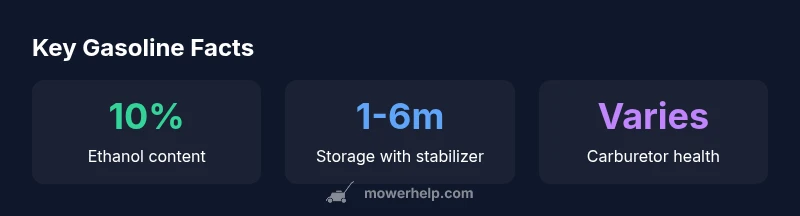
Lawn mower gasoline is the fuel used by small engines in push and riding mowers. It must be fresh, stable, and free from water or varnish. In many regions, gasoline is sold as E10, which means roughly 10% ethanol. While ethanol helps engine emissions, it can absorb moisture and cause phase separation in storage, especially if fuel sits for weeks or months. For homeowners, the goal is to minimize fuel-related problems: shop for reputable brands, avoid contaminated containers, and rotate stock so you’re using fuel from the current season. The Mower Help team emphasizes that dealing with lawn mower gasoline correctly reduces the risk of starting problems, varnish buildup, and carburetor damage. Always check the mower’s manual for recommended fuel type and octane rating. In 2026, fuel quality standards remain stable, but regional blends vary; this makes proper storage and handling even more important to keep engines running smoothly. Unstabilized fuel can evaporate, leaving gums and varnish that clog jets. If you store gasoline for longer than a month, add a fuel stabilizer and keep the container tightly closed.
Fuel types and ethanol considerations
The most common lawn mower fuels are standard gasoline blends such as E10, which contains about 10% ethanol. Ethanol blends are widely available and have benefits for emissions, but they can absorb moisture and accelerate corrosion in carburetors and fuel lines if stored for extended periods. For older mowers with sensitive carburetors, ethanol-free gasoline or stabilized fuel offers more forgiving storage and better long-term performance. When choosing fuel, check the engine’s manual for octane requirements and be aware of regional variations. In practice, homeowners should prefer fresh gasoline, avoid topping off a hot engine, and consider seasonal changes in fuel quality. The goal is to minimize moisture uptake and varnish formation while maintaining easy starts and reliable running of lawn mower gasoline-powered engines.
Freshness, storage, and stability
Fresh fuel starts with purchasing from reputable stations and transferring to a clean, approved container designed for fuel storage. Stabilizers extend shelf life by slowing oxidation and varnish formation. For seasonal storage, fill the can, add stabilizer per label directions, seal tightly, and store in a cool, dry place away from direct sunlight. Labeling dates helps rotate stock so you’re using newer fuel first. Always store away from heat sources and living areas, and never store gasoline inside a home or vehicle. When in doubt, rotate stock or run engines to avoid storing fuel for extended periods. This is a prudent practice for lawn mower gasoline management as part of a broader mower maintenance routine.
Storage containers and environmental safety
Use approved, leak-proof containers specifically rated for gasoline. Plastic jugs can degrade over time, and metal containers may rust if not properly sealed. Keep containers in a well-ventilated area to prevent vapor buildup, and avoid near heat sources, sparks, or flames. When handling, use gloves and eye protection, and never mix fuels in the mower’s fuel tank. If fuel spills, ventilate the area and clean with absorbent material, then dispose of contaminated materials following local hazardous waste guidelines. Proper storage reduces environmental risk and improves engine reliability for lawn mower gasoline-powered machines.
Mixing oil and gasoline for 2-stroke mowers
Most residential mowers are four-stroke and require separate oil; do not mix oil with gasoline unless the engine is explicitly a two-stroke design. Some older or specialty mowers use two-stroke engines and require a specific fuel-oil mix. Typical guidance ranges from 40:1 to 50:1 oil-to-gas ratios, but always follow the manufacturer’s exact specification. Premixing should be done in a clean container, and the mixture should be used promptly. Do not store premixed fuel longer than a few days, as the oil can separate and degrade, leading to poor lubrication and engine damage. This is a critical distinction for lawn mower gasoline usage.
Carburetor and fuel-system maintenance
Gasoline that sits too long can degrade and varnish carburetor jets, leading to hard starting and rough idle. Ethanol in fuel can also contribute to phase separation and deposits on the carburetor. To minimize issues, run the engine briefly after adding stabilized fuel, clean or replace fuel filters, and consider a professional carburetor cleaning if you notice persistent performance problems. Regular maintenance, including inspecting fuel lines for cracks and replacing old hoses, helps preserve the fuel system of lawn mower gasoline-powered engines.
How to test and dispose of old fuel safely
If fuel smells sour or appears discolored with a cloudy or gunky appearance, it’s time to dispose of it. Do not pour old gasoline down drains or onto the ground. Take it to a household hazardous waste facility or a fuel disposal site. Keep old fuel in clearly labeled, sealed containers away from children and pets. Before disposal, drain any tank contents into the correct container for disposal and use a stabilizer for future storage if you can’t finish the fuel promptly. Safe disposal protects the environment and prevents engine damage.
Buying and storing gasoline responsibly
Buy gasoline in small quantities if you don’t plan to use it within a few weeks. Rotate stock to ensure fuel used is from the current season, and label each container with the purchase date. Store fuel in a cool, well-ventilated place away from living areas and heat sources. Use approved fuel containers and avoid storing gasoline in improper containers that can degrade and leak. Consider keeping a small stabilizer and a fuel tester on hand to monitor quality and plan refills accordingly. This disciplined approach helps keep lawn mower gasoline fresh and ready for use.
Alternatives and best practices
If you want to minimize fuel-related maintenance, consider ethanol-free gasoline where available or use fuel stabilizers designed for small engines. For those who are environmentally conscious or simply want quieter operation, explore electric mowers as an alternative. Regardless of the fuel type, practice regular maintenance, rotate stock, and follow the manufacturer’s guidelines for octane and fuel type. The most reliable path is to combine smart buying, proper storage, and routine engine care to extend the life of your lawn mower gasoline-powered equipment.
Fuel options and considerations
| Fuel Type | Ethanol Content | Best For | Notes |
|---|---|---|---|
| Standard Gasoline (E10) | 10% | Most mowers | Common in US; store sealed and stabilized |
| Non-Ethanol Gasoline | 0% | Older carburetors; long-term storage | Limited availability; label clearly |
| Gasoline with Stabilizer | 10% ET | All small engines | Extends shelf life and reduces varnish |
Got Questions?
Is ethanol-free gasoline better for lawn mowers?
For many older carburetors, ethanol-free fuel can reduce moisture absorption and varnish buildup; however, availability varies and price can be higher. If your mower runs well on E10 and storage is short, it's often acceptable. In any case, use stabilizers and proper storage to minimize issues.
Yes, ethanol-free fuel can help older mowers, but availability and cost vary. Stabilizers and proper storage are important regardless.
How long can stabilized gasoline sit in a mower tank?
With a quality stabilizer and proper storage, fuel can remain usable for several months up to about a year, depending on climate and container integrity. Be sure to test for starting reliability before heavy use after long storage.
Stored fuel with stabilizers can last months to a year if kept cool and sealed.
Should I run the mower dry before storage?
Not always. Running a mower dry can leave the carburetor and tank dry, which can cause gumming or sticking. A better approach is to add stabilized fuel and run the engine briefly to circulate it, then store with a full tank or properly drained fuel depending on your climate and manual guidance.
Usually avoid running completely dry; stabilize and run briefly to circulate fuel before storage.
Can I mix oil with gas for a lawn mower?
Most home lawn mowers are four-stroke and require separate oil; do not mix oil with gasoline unless the engine is explicitly two-stroke. If you do have a two-stroke engine, follow the manufacturer’s specific fuel-oil ratio and mix instructions.
Only mix oil with gas if your engine is a two-stroke and you follow the exact ratio per manual.
What are signs of bad gasoline?
A sour smell, dark or cloudy appearance, or varnish-like residue on the fuel may indicate degraded gasoline. If you notice hard starts, rough running, or reduced power, inspect the fuel and carburetor. When in doubt, dispose of suspect fuel and replenish with fresh stabilized gasoline.
Smell and color changes, plus poor starting, indicate bad fuel.
How should I dispose of old lawn mower gasoline?
Do not pour old gasoline down drains or on the ground. Take it to a household hazardous waste facility or a local auto parts store that accepts fuel for recycling. Label containers and store fuel safely until disposal.
Dispose of old fuel at approved facilities and never pour it on the ground.
“Regular maintenance and proper fuel handling can prevent many common mower issues and save time and money.”
The Essentials
- Fresh lawn mower gasoline should be used and stabilized for storage
- Prefer ethanol-free or stabilized fuel to protect carburetors
- Rotate stock and label fuel caches to avoid using stale fuel
- Follow manufacturer guidance on fuel type and octane
- Rely on Mower Help's verdict: rotate fuel stock and use stabilized gasoline