Lawn Mower Gas for Sale: A Practical Buying Guide
Comprehensive guide to lawn mower gas for sale, detailing ethanol content, storage, and fuel stability to protect engines and minimize maintenance costs and downtime.


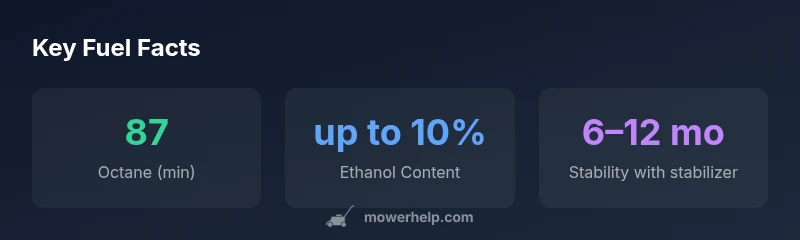
According to Mower Help, lawn mower gas for sale is typically 87-octane unleaded gasoline with ethanol blends (commonly up to 10% ethanol, E10). For older engines, follow the manual. Store fuel in approved containers, add a fuel stabilizer for longer storage, and avoid mixing old and fresh gas. Always verify compatibility with your mower's manual before purchasing.
Understanding lawn mower gas for sale and why it matters
For homeowners and DIY enthusiasts, the phrase lawn mower gas for sale often means regular unleaded gasoline sold at local stations, hardware stores, or bulk suppliers. The fuel is the lifeblood of small engines used in walk-behind mowers, riding mowers, and string trimmers. The quality and storage of this fuel directly influence starting reliability, engine longevity, and maintenance costs. According to Mower Help Team, buying gas suitable for your mower's design isn't just about price; it's about compatibility with ethanol content, octane requirements, and storage conditions. Most modern four-stroke mowers use standard gasoline with up to a certain ethanol blend; two-stroke engines require a fuel mix or a specific gasoline type recommended by the manufacturer. In practice, choosing the right gas involves checking the label, understanding ethanol content, and choosing a supplier you trust. This section lays the groundwork for making a smart fuel choice and reducing the number of trips to the repair bench.
Ethanol blends, quality, and engine compatibility
Gas sold for lawn mowers comes with ethanol blends that can affect carburetors, gaskets, and fuel lines. The majority of gasoline in the United States contains up to 10% ethanol (E10); some stations offer higher blends in compliance with local regulations. Ethanol-free options are also available in certain regions or through select brands. For most four-stroke engines, E10 is acceptable, but older equipment or some brands may prefer pure gas or stabilized fuel. Two-stroke engines used with fuel-oil mixes can be more sensitive to ethanol content, requiring precise fuel ratios and cleaner fuel. When you purchase gas, read the product label for octane (typically 87), ethanol content (E10, E15, or ethanol-free), and any fuel stabilizers recommended by the manufacturer. The goal is to minimize repeat maintenance, avoid varnish and gum buildup at the carburetor, and ensure clean starting after storage. Mower Help's analysis emphasizes selecting a reputable source and buying only what you need for your current mowing season.
Reading fuel labels and choosing stations
Understanding labels helps you avoid common mistakes at the pump. Most walk-behind mowers run on 87 octane unleaded gas; higher-octane fuels do not improve performance and can be more expensive. The important details on a label are octane, ethanol percentage, and any additives such as stabilizers or corrosion inhibitors. When you see E10, remember this means up to 10% ethanol—some regions may offer E15 or ethanol-free gas. Choose stations with fresh product, quick turnover, and clear signage about ethanol content. If your area experiences seasonal price fluctuations, consider filling before peak mowing season, but avoid buying more fuel than you can safely store. Always seal the container tightly after use, and label it with the date of purchase. These steps reduce the risk of stale fuel, water separation, and engine starting issues. The goal is to minimize wasted trips to run errands and ensure your mower starts reliably when you need it.
Storage, shelf life, and maintenance
How you store lawn mower gas affects performance as much as what you buy. Gasoline without stabilizers deteriorates within weeks, while stabilized fuel can stay usable for several months if kept in a cool, shaded place. Always store in approved containers with a tight seal, away from direct sunlight and heat sources. Label each container with its contents and the purchase date. If you plan to store fuel over winter or between mowing seasons, add a fuel stabilizer and run the mower for a few minutes to circulate stabilized fuel through the carburetor. Never mix old fuel with fresh fuel in the same container, and avoid topping off a partly full tank with new gasoline. Mower Help's guidance stresses that proper storage reduces varnish deposits, gum buildup, and ethanol-induced phase separation in ethanol-blended fuels.
Practical buying tips: where to buy and when to buy
Where you buy lawn mower gas for sale matters as much as what you buy. Reputable stations with fast turnover and clean pumps are more likely to provide fresh fuel. If you use larger quantities or want to avoid frequent trips, consider bulk suppliers or dependable hardware stores that stock stabilized formulas designed for small engines. When evaluating price versus performance, compare the cost per gallon, not just the price per liter, and consider whether a stabilizer is included or recommended. Always check the container type—store-bought gasoline should come in sealed, clearly labeled, vented containers intended for fuel storage. In addition to conventional stations, some areas offer ethanol-free or reduced-ethanol options marketed for small engines; these can be worth the extra cost if you have a sensitive carburetor. The Mower Help team notes that a steady supply of fresh, properly stored gas reduces downtime and keeps power output consistent throughout the mowing season.
Cost considerations and value for money
Gas prices fluctuate with market forces, so buyers should look beyond the sticker price and consider long-term costs. Ethanol blends can be cheaper at the pump but may increase maintenance costs if you need more frequent carburetor cleaning or fuel system service. Stabilized gas often costs a little more upfront but can save money by extending storage life and reducing engine problems. If you use a seasonal mower, buying smaller quantities more frequently can help keep fuel fresh and reduce waste. For those with mixed equipment, consider buying ethanol-free gas for sensitive engines and using standard E10 for others, then rotate stock to ensure older bottles are used first. The broader takeaway is to balance immediate cost with potential maintenance savings and engine reliability over the mowing season.
Environmental and engine longevity considerations
Fuel choice affects emissions, engine wear, and long-term reliability. Ethanol content can cause water absorption in the fuel, leading to phase separation in storage tanks and carburetor varnish if stored long. When possible, use ethanol-free gas for antiques or older engines with rubber components that are less compatible with ethanol. Modern engines tolerate E10 well, but always follow the mower's instructions. Run the engine briefly after fueling to flush the tank and prevent stale gas. If you encounter starting problems after refueling, inspect the spark plug, air filter, and fuel line for signs of ethanol-related degradation. The Mower Help team emphasizes that proper fueling is part of an overall maintenance plan to extend engine life and reduce emissions.
Quick-start fueling checklist
Before you head to the shed: check the owner's manual for fuel requirements; choose the appropriate gasoline, octane, and ethanol content; ensure the container is clean and sealed; add stabilizer if storing gas; label the container with date; fill only when the tank is at or below half-full to minimize air exposure; after fueling, wipe up spills and wash hands. When you return home, store any unused fuel in a cool, ventilated area away from heat sources. This practical checklist helps you buy, store, and use lawn mower gas for sale safely and efficiently.
Fuel options for lawn mower gas
| Fuel Option | Ethanol Content | Best For | Notes |
|---|---|---|---|
| Regular gasoline | up to 10% ethanol (E10) typically | Most modern mowers | Commonly available; read label |
| Ethanol-free gasoline | 0% ethanol | Older engines or sensitive carburetors | Limited availability; sometimes premium price |
| Stabilized gasoline | Any ethanol content with stabilizer | Storage-heavy use | Extends shelf life with proper storage |
| Gasoline with higher ethanol blends | 15-20% ethanol | Only if approved by manufacturer | Not recommended for older equipment |
Got Questions?
What does 'lawn mower gas for sale' typically refer to?
It generally means regular unleaded gasoline labeled for small engines; check ethanol content and manufacturer recommendations to ensure compatibility.
It usually means regular unleaded gas labeled for small engines; check the ethanol content and your mower's manual.
Is 87 octane gas sufficient for most mowers?
Yes for most walk-behind and riding mowers; follow the owner's manual. Higher-octane fuels do not typically improve performance in these engines.
Yes, 87 octane is usually enough for most mowers; check your manual for specifics.
Should I use ethanol-free gas if it's available?
For engines sensitive to ethanol or older carburetors, ethanol-free gas can help reduce varnish and upgrades needed.
If you have an older engine or carburetor sensitivity, ethanol-free gas can be beneficial.
How long can I store mower fuel safely?
Gas stabilized for storage can last several months; storage conditions (cool, stable temperature) matter a lot for longevity.
Stabilized fuel lasts for months if kept cool and sealed.
Can I mix old gas with fresh gas?
Avoid mixing old and new gas; old fuel can gum up carburetors and cause starting problems. Dispose of old fuel properly.
Don't mix old and new gas; it can clog the carburetor.
“Fuel choice directly affects engine reliability and longevity. Stabilized fuel and proper storage reduce maintenance and downtime.”
The Essentials
- Verify fuel type and octane in the manual
- Choose stabilized fuel for longer storage
- Prefer ethanol-free gas for older carburetors
- Buy from reputable stations with fresh fuel
- Rotate stock to avoid stale fuel