Lawn Mower Oil Leak Repair: A DIY Guide
Learn to diagnose, repair, and prevent lawn mower oil leaks with step-by-step guidance, safety tips, and essential maintenance from Mower Help.


You can stop a lawn mower oil leak by locating the source, replacing worn seals or gaskets, and resealing with fresh oil. Begin with a safe, cool engine, then drain old oil if needed, install the correct seal, and refill to the proper level. This DIY approach minimizes mess and extends mower life.
Why Lawn Mower Oil Leaks Happen
According to Mower Help, oil leaks on lawn mowers are typically the result of worn or damaged seals and gaskets, a loose or cracked fill cap, a faulty drain plug, or a damaged oil pan seal. These failure points create paths for oil to escape along the crankcase or cover seams. External leaks near the oil fill cap or drain plug are the easiest to diagnose, while leaks from deeper seals may require more careful inspection. Regular maintenance helps catch worn gaskets early, reducing the risk of expensive engine damage. Understanding common sources also guides you to the right replacement parts and the most effective repair approach.
In addition to identifying the source, it’s helpful to know that older models often show dried oil around gasket joints and valve covers. This buildup can mask the true origin of the leak, so a thorough wipe-down and inspection is essential. Mower Help analysis shows that leaks frequently arise from gasket failures after heat cycling, improper torque on plugs, or improper oil changes. By recognizing the typical hot spots, you can plan a targeted repair rather than replacing multiple components.
Safety note: never run the engine with a known oil leak, and always dispose of used oil according to local regulations. A small leak today can become a larger leak tomorrow if left unchecked, so address it promptly and methodically.
How to Identify the Source of the Leak
Start by cleaning the area around the oil drain plug, fill cap, and visible gaskets so you can clearly see any dripping oil. Run the mower for a few minutes on level ground, then park on a sheet of cardboard or a concrete surface to observe drips and flow direction. Check the oil level with the dipstick; if it drops noticeably after a short run, the leak is likely active. Inspect the oil pan, crankcase seals, valve cover gasket, and the grommets where hoses connect. A leaking fill cap often shows oil around the cap threads or under the cap o-ring. Replacing a damaged cap or tightening a loose cap can fix many leaks without further repairs.
When the leak is internal (from the crankcase or seals), you may notice oily residue on the underside of the engine shroud or inside the air intake pathway. In such cases, a gasket kit and possibly a new oil pan seal are usually required. If you’re unsure, perform a controlled test: tighten suspect components one at a time and re-check for fresh leaks after running briefly.
Documenting the source with photos helps you compare fit after replacement and serves as a reference for future maintenance.
Safety First: Prepare Your Mower for Repair
Before starting any repair, ensure the mower is on a flat, level surface. Engage the parking brake if applicable and disconnect the spark plug boot to prevent accidental starting. Let the engine cool completely before touching any oil, as hot engine components and oil can cause burns. Gather tools and protective gear, and set up a clean workspace with a drain pan ready to catch any oil. Wear gloves and eye protection to shield your skin from hot oil and metal shavings. Securely support the mower so it cannot tip or shift during service.
If you must tilt the mower to access the oil system, use a stable block or jack stands and keep the fuel away from ignition sources. Engine oil can stain clothing and driveway surfaces, so have absorbent rags on hand and work slowly to minimize spills. Safety first ensures you avoid injuries and keeps your repair on track.
Tools and Materials You’ll Need
Having the right tools on hand makes the repair smoother and safer. Prepare these essential items before you begin:
- Drain pan: captures used oil without spills
- Socket wrench set: for removing drain plugs and covers
- Flathead and Phillips screwdrivers: disengage covers and fasteners
- Gasket/seal kit: fits your mower model for oil pan, valve cover, or crankcase seals
- Oil drain plug washer: ensures a proper seal when re-installing the plug
- New engine oil: use the grade and capacity specified by the maker
- Rags or shop towels: clean surfaces and wipe up spills
- Safety gloves and eye protection: keep hands and eyes safe during the job
- Funnel: helps with clean oil transfer (optional but helpful)
Consult your mower’s manual for any model-specific parts and torque specs; using the wrong seal or over-tightening fasteners can cause worse leaks.
DIY Repair vs. Professional Service
A DIY repair is often feasible for simple leaks from fill caps, drain plugs, or gaskets accessible without removing major components. If the leak originates from deeper crankcase seals or a damaged oil pan, the repair becomes more involved and may require engine removal, special seals, or alignment jigs. In those cases, a professional service can save time and reduce the risk of misalignment that can lead to new leaks. The decision depends on your comfort level with disassembly, the mower model, and available tools. Always weigh the cost of tools and parts against labor charges and potential warranty considerations.
For portable or yard-use mowers, DIY fixes are typically practical, and many common leaks are resolved with a gasket kit and proper torque. If your mower is under warranty or you’re unsure, reach out to a local service center or the manufacturer’s support line for guidance.
Step-by-Step Overview of the Repair Process
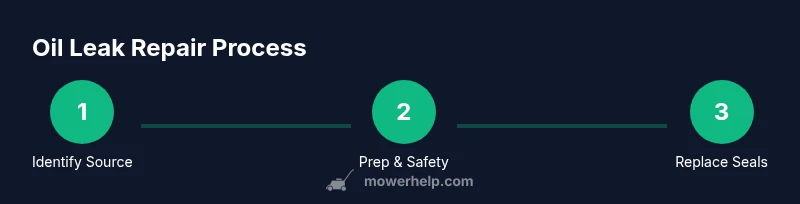
This section provides a high-level roadmap that aligns with the detailed steps in the dedicated STEP-BY-STEP block. You’ll identify the leak source, prepare the mower, drain old oil, replace seals/gaskets or the valve cover, reinstall the drain plug, refill oil to the correct level, and verify that no leaks occur after testing. The exact order and parts depend on your specific model and leak origin. Having the right gasket kit and a clean workspace will help ensure a successful repair, and keeping the engine cool during disassembly protects both you and the components.
If you encounter resistance when removing fasteners, apply penetrating oil, wait a few minutes, and try again. Over-tightened screws or damaged threads are common causes of stubborn components.
Prevention: How to Stop Leaks from Returning
Preventing oil leaks starts with proactive maintenance. Change oil at the intervals recommended by the manufacturer, use the correct oil type and capacity, and replace seals and gaskets at the first sign of wear or after significant heat cycles. Check the drain plug and fill cap for signs of o-ring degradation or warping, and replace them if necessary. Keep the crankcase area clean and inspect seals during routine maintenance—especially after cleaning the undercarriage or sharpening blades, which can jostle nearby seals. Regular checks reduce the risk of undetected leaks, saving oil and protecting engine life.
Store the mower in a dry, shaded area to minimize exposure to heat and sun, which degrade gaskets over time. If you store for the off-season, drain the oil completely or ensure the level is topped up to manufacturer recommendations to avoid varnish buildup and gasket hardening.
Common Mistakes and Troubleshooting Tips
- Skipping a full oil drain when a leak is from the crankcase can trap debris and mask the root cause. Take the time to drain and inspect the oil; you’ll often spot metal shavings from a failing seal.
- Reusing old gaskets or seals can lead to immediate leaks. Always replace worn gaskets with new ones from a compatible seal kit.
- Over-tightening drain plugs or seals can strip threads or crack housings. Follow the manufacturer’s torque specs and use a torque wrench if available.
- Not cleaning the area before inspection leaves you blind to the actual leak path. A clean surface makes diagnosis quick and accurate.
- Returning the mower to service without checking for a leak after running can cause hidden damage to the engine. Always test after repair and monitor the area closely.
How to Verify a Repair Works (Post-Repair Check)
After installing new seals and refilling oil, start the mower on a flat surface and let it run for several minutes. Observe the drain plug, fill cap, and gasket joints for any fresh oil. If you still see leakage, re-check the seal installations and fastener torque, and consider replacing additional components if necessary. Keep a log of dates and parts changed to help future maintenance. A successful repair leaves the area dry and free of oil stains, showing that the leak path is sealed.
Tools & Materials
- Drain pan(Large enough to hold used oil without spills)
- Socket wrench set(Metric sizes commonly 8-14 mm depending on mower model)
- Flathead and Phillips screwdrivers(For removing covers and fasteners)
- Gasket/seal kit (oil pan, valve cover, or crankcase seals)(Choose the kit that fits your mower model)
- Oil drain plug washer(Replace to ensure a proper seal)
- New engine oil (per mower manual grade)(Check viscosity and capacity)
- Rags or shop towels(Clean spills and wipe surfaces)
- Gloves and eye protection(Protect hands and eyes from hot oil and debris)
Steps
Estimated time: 60-90 minutes
- 1
Identify leak source
Cool the engine completely, then inspect the area around the drain plug, fill cap, and seals to locate the exact leak path. Document suspect areas with photos for later reference.
Tip: Check multiple spots—sometimes leaks travel along a joint before dripping from a visible seam. - 2
Prepare and safety-check
Park on a level surface, disconnect spark plug, and place a drain pan underneath. Put on gloves and safety glasses to protect against hot oil and sharp edges.
Tip: Always disconnect ignition sources to prevent accidental starting during work. - 3
Drain old oil
Remove the drain plug if needed and allow oil to drain completely into the pan. Reinstall the plug once drained, ensuring the washer is new and seated properly.
Tip: For quick checks, you can loosen the plug slightly to let oil flow without fully removing it. - 4
Access seals and gaskets
Remove covers or shields to access the gasket joints and seals. Clean the mating surfaces thoroughly before inspecting for wear or damage.
Tip: Take photos of each component orientation before removal to ease reassembly. - 5
Replace seals/gaskets
Install a new gasket or seal kit as identified. Ensure correct fit and orientation; avoid over-tightening which can crack housings.
Tip: Always replace the drain plug washer when reassembling. - 6
Reinstall drain plug and refill oil
Tighten the drain plug to the manufacturer torque specification, then fill with the recommended oil to the correct level using a funnel.
Tip: Do not overfill; too much oil can cause foaming and leaks. - 7
Test and verify
Start the mower and run briefly on a level surface. Inspect all replaced seals for fresh leaks and re-check oil level after the engine cools.
Tip: If a leak remains, re-check component seating and consider replacing additional seals.
Got Questions?
What are the most common causes of lawn mower oil leaks?
Most leaks stem from worn seals or gaskets, a faulty fill cap, or a loose drain plug. Cracked oil pans and crankcase seals also contribute. Regular inspection helps catch these issues before they worsen.
Common causes are worn seals, faulty caps, and loose plugs. Regular checks help catch issues early.
Can I fix an oil leak myself or should I hire a pro?
Many oil leaks from fill caps, drain plugs, and accessible gaskets are DIY-friendly with standard tools. Leaks from crankcase seals or major components may require professional service.
DIY is fine for simple leaks; deeper engine seals may need a pro.
How can I tell if the leak is from the oil pan gasket vs. the fill cap?
Oil at the fill cap usually indicates cap seal issues, while oily residue near the oil pan or under the mower suggests pan gasket problems. A clean inspection helps distinguish the source.
Check around the cap first; if oil pools near the pan, inspect the gasket there.
Is it safe to run the mower after repairing a leak?
Yes, after confirming no leaks post-repair and ensuring correct oil level, a brief test run on a flat surface is safe. Stop if any new leaks appear.
You can test run it once no leaks are visible and oil is at the correct level.
What maintenance helps prevent future oil leaks?
Follow the manufacturer’s oil change intervals, inspect gaskets and seals during every service, and avoid over-tightening fasteners. Regular cleaning around the engine also helps detect leaks early.
Do regular oil changes and inspect seals during routine service.
Watch Video
The Essentials
- Identify the leak source before parts replacement
- Replace worn gaskets or seals to seal properly
- Refill oil to manufacturer level and recheck
- Dispose of used oil responsibly