How to Change a Lawn Mower Blade: Step-by-Step Guide
Learn to safely and effectively change your lawn mower blade with our comprehensive, step-by-step guide. Includes tools, safety tips, and maintenance guidance for a sharp, clean cut every time.


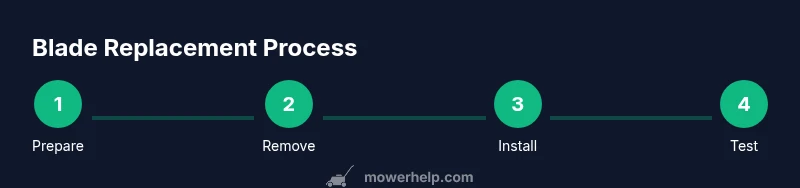
You can safely change a lawn mower blade by disconnecting the spark plug, tipping the mower, and removing the bolt that holds the blade. Install the new blade with the correct orientation, reattach the bolt, and run a brief test to confirm balanced operation. Always follow your mower’s manual for torque specs and safety precautions.
Why blade changes matter for your mower
A sharp, correctly oriented blade is essential for achieving an even cut and preventing strain on the engine. Dull or damaged blades reduce mowing efficiency, increase fuel use, and can throw off the mower's balance. Regular blade checks help prevent uneven wear on the deck and spindles, improving safety and performance. According to Mower Help, establishing a routine blade replacement mindset keeps your equipment running smoothly and reduces the risk of accidents caused by a compromised blade. In the long run, proactive maintenance protects your lawn and your wallet by delaying more costly repairs. This guide walks you through a safe, methodical blade change you can perform with common tools at home.
Safety is non-negotiable when changing blades and should be your first priority. Always disconnect power sources and protect your hands. A few minutes of preparation now saves you from injuries later. The Mower Help team emphasizes that a clear workspace, proper PPE, and slow, deliberate actions are key to a successful blade change. After you finish, test the mower on a non-critical patch of grass to verify a clean cut without vibration.
What you’ll gain from a blade change
- Improved cut quality and lawn appearance
- Reduced engine strain and longer mower life
- Safer operation with a properly secured blade
- A straightforward maintenance task you can repeat seasonally or when you notice dull edges or nicks
Tools and safety essentials you should have on hand
Before touching the blade, gather safety gear and the right tools to avoid improvising with unsafe objects. A sturdy work surface, gloves with cut resistance, safety glasses, and a stable wheel chock are your allies. You’ll typically need a wrench or socket to fit the blade bolt, a blade holder or clamp to keep the blade from rotating, and a replacement blade sized for your mower model. Keep a rag and penetrating oil handy for stubborn bolts. For reference, always consult your mower’s manual for model-specific recommendations and torque specs. This preparation keeps you safe and sets the stage for a smooth blade swap.
Step-by-step: removing the old blade safely
- Disconnect the spark plug wire and ensure the mowing area is off. This prevents accidental starting while you work. 2) Tilt the mower to access the blade while supporting the deck with a block to prevent damage. 3) Use a blade holder or a thick rag to hold the blade in place as you loosen the central bolt. 4) Carefully remove the blade, noting the orientation for proper reinstallation. If the bolt resists, apply a small amount of penetrating oil and wait a few minutes before retrying. Remember: never pry with force against the blade or blade bolts, which can damage the deck or spindle.
Step-by-step: installing the new blade correctly
- Inspect the new blade for defects before installation. 2) Align the blade with the correct orientation; blades often have a marked top surface or stamped arrow indicating rotation direction. 3) Place the blade on the spindle or mandrel, aligning holes with the mounting surface. 4) Reinsert and snug the center bolt by hand, then tighten with the appropriate wrench. 5) If your mower requires a washer or locking nut, ensure it sits flush against the blade for secure seating. 6) Reconnect any guards or safety covers and verify there’s no play when gently wiggled. This ensures a balanced, safe install.
Step-by-step: torquing, securing, and testing the system
- Use a torque wrench to bring the blade bolt to the manufacturer’s specified torque. If you don’t have the exact spec, tighten until snug and then an additional quarter turn only if permitted by your manual. 2) Reinstall any safety guard and reattach the spark plug wire. 3) Place the mower on flat ground, engage the parking brake, and perform a slow idle test to verify there is no abnormal vibration. 4) Finally, perform a brief test cut on a patch of grass to confirm a clean, even trim without unusual noise. If vibration persists, recheck blade alignment and tightening.
Aftercare and maintenance tips for blade changes
Keep the blade area clean to maintain balance and reduce corrosion. Inspect the blade for nicks, cracks, or warping after each use and replace immediately if any flaws are found. Clean the deck underside to prevent grass buildup that can offset balance. Store spare blades in a dry place to prevent rust. If your mower is exposed to grass clippings or dirt, consider applying a light coat of oil to prevent rust on metal surfaces. Regular maintenance not only extends blade life but also protects you from unsafe operation.
Common mistakes to avoid during blade changes
- Using the wrong blade type or size for your mower model
- Failing to disconnect the spark plug or to secure the blade during work
- Ignoring orientation marks or tightening bolts beyond manufacturer torque
- Skipping a test cut or failing to replace safety guards after installation
- Rushing the process, which can lead to injury or improper seating
Troubleshooting: what if you still hear vibration or see uneven cuts?
If you notice persistent vibration or an uneven cut after a blade change, start by rechecking blade balance and mounting alignment. Ensure the blade is seated flat against the mounting surface and that no washers or spacers are missing. Inspect the spindle and mandrel for damage or wear. If the blade is properly installed but issues persist, consult the mower’s manual or reach out to a service professional to avoid further damage.
Tools & Materials
- New replacement blade compatible with your mower model(Check model number and blade type (e.g., side-discharge, mulching) in your manual)
- Gloves (cut-resistant)(To protect hands from sharp edges)
- Safety glasses(Eye protection during removal and installation)
- Spark plug disconnect tool or insulated pliers(For safely disconnecting the spark plug wire)
- Socket wrench or adjustable wrench(Fits the blade bolt size for your mower)
- Blade holder or thick rag(Prevents blade from rotating while loosening the bolt)
- Penetrating oil(Helps loosen stubborn bolts)
- Torque wrench(Use only if you know the manufacturer’s torque spec)
- Old towel or mat(Protects work surface)
Steps
Estimated time: 30-60 minutes
- 1
Prepare and safety check
Stop the engine, remove the battery or disconnect spark plug, and engage the parking brake if present. This first step prevents accidental starts and protects you during the blade change. Position the mower on a flat surface and use a block to support the deck if you must tilt.
Tip: Double-check that you have all safety gear on before approaching the blade. - 2
Access and secure the blade
Tilt the mower to access the blade area. Use a blade holder or thick rag to hold the blade in place as you loosen the mounting bolt. Do not allow the blade to rotate freely while you work.
Tip: If the blade is hard to move, apply a small amount of penetrating oil and wait a few minutes. - 3
Remove the old blade
Carefully remove the blade once the bolt is loose. Note the blade orientation for correct reinstallation. Clean any debris from the mounting surface before placing the new blade.
Tip: Take a photo of the orientation before removal to reference during installation. - 4
Inspect and prepare the new blade
Check the new blade for defects. If the blade has a marked top or direction arrow, ensure you follow it exactly. Clean the mounting surface again if needed to ensure a flat seating plane.
Tip: Do not install a blade with signs of bending or cracks. - 5
Install the new blade
Place the blade so it seats flush against the deck and aligns with the mounting holes. Reinsert the bolt and tighten by hand before using a wrench to snug it securely. Ensure any washers or spacers are correctly positioned.
Tip: Turn the blade gradually and evenly; do not force the bolt if it resists. - 6
Torque and finalize
If you have a torque wrench, tighten to the manufacturer’s specification. If not, snug firmly per your manual and avoid overtightening. Reattach guards and reconnect the spark plug wire.
Tip: Check that the blade is tight and there’s no play by gently trying to move it with your hand (do not spin it). - 7
Test run and safety check
Lower the mower, set it on flat ground, and perform a slow idle test with the blade guard in place. Then do a short cut on overgrown grass to ensure a clean, balanced cut. If you sense vibration, stop and recheck alignment.
Tip: Never run the mower in a confined space or indoors during testing.
Got Questions?
What side of the blade is the top?
Most mower blades have a flat top or a stamped marking indicating rotation. Install the blade so the flat side faces upward and aligns with the mounting surface per your manual.
Look for marked orientation on the blade and install it so the marking points in the correct rotation direction as shown in your manual.
Can I sharpen a dull blade instead of replacing it?
You can sharpen if the blade is not cracked, bent, or severely worn. If there are cracks, chips, or a warped edge, replace the blade instead of sharpening.
Sharpen only if the blade is in good condition; replace if you see cracks or heavy wear.
Do I need to balance the blade after installation?
A balanced blade reduces vibration and wear. If you notice vibration after installation, check balance and seating. Many blades come balanced from the factory, but a quick balance check is wise.
If you feel vibration, recheck balance and seating; most factory-balanced blades stay balanced, but it’s worth a quick check.
How should I dispose of the old blade?
Old blades are metal and should be disposed of via local metal recycling or household hazardous waste programs if offered. Do not throw them in regular trash where they can cause injury.
Take the old blade to metal recycling or your local disposal program; never trash sharp metal.
What if the blade won’t loosen with a wrench?
Apply penetrating oil and wait a few minutes, then try again with the correct size wrench. If stubborn, consult your mower manual or a professional. Do not use brute force.
Let penetrating oil sit, reattempt with the right tool, and avoid forcing the bolt if it’s stuck.
Is it safe to test run the mower with the blade installed?
Yes, but only after you’ve secured guards, reconnected the spark plug, and checked for clearance around the blade. Start at low speed and observe for unusual noise.
Yes—safely test the mower with guards in place and watch for odd sounds.
The Essentials
- Disconnect power before starting.
- Align blade orientation precisely.
- Tighten to manufacturer torque.
- Test cautiously after installation.
- Maintain blades for safety and efficiency.