How to Stop a Lawn Mower from Smoking
Learn how to stop a lawn mower from smoking with a practical, DIY-friendly approach. Identify causes, inspect oil and fuel systems, and perform safe fixes to restore peak performance.


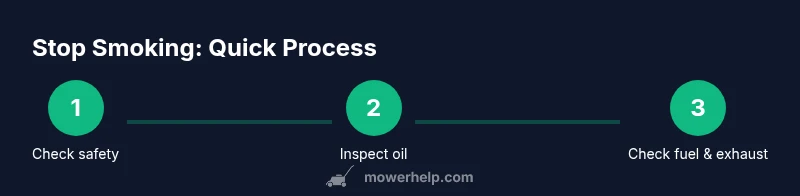
By the end of this guide you will stop a lawn mower from smoking by identifying the cause (oil on the exhaust, overfilled oil, fuel-system leaks, or an overheating engine) and applying a safe, step-by-step maintenance plan. Start with a quick safety check, then inspect oil and fuel systems, replace worn parts, and test the mower in a controlled environment.
Why a lawn mower smokes and what it signals
Smoky exhaust from a lawn mower is a telltale sign that something in the engine, lubrication, or fuel system is not working correctly. In many cases, smoke indicates oil burning due to overfill, leaks, or oil that has contaminated the combustion chamber. It can also hint at fuel-system issues or a clogged exhaust that causes improper combustion. According to Mower Help, early diagnosis is key to preventing costly damage and unsafe operation. Failing to address smoking promptly can shorten engine life and reduce cutting efficiency, so treat smoke as a warning sign rather than a minor nuisance. Proper diagnosis helps you choose the right corrective action—whether a simple top-off, a filter replacement, or a gasket repair.
Safety is the first step in any diagnosis. Always disconnect the spark plug boot, remove the key, and allow the engine to cool before touching components. Work in a well-ventilated area, away from flames or sparks, and have a fire extinguisher nearby. Remember that running a mower with smoking symptoms can mask more serious problems, such as internal engine damage or dangerous fuel leaks. The goal is to identify the root cause and apply the least invasive fix that restores safe operation.
Diagnosing the top smoking culprits
There are several common causes of smoking in lawn mowers, and most can be diagnosed with a systematic approach:
- Oil on the exhaust or engine parts: Oil can collect on hot surfaces and burn, producing blue-gray smoke. Check oil level using the dipstick and inspect for leaks around the valve cover, oil pan, and crankcase.
- Overfilled oil: Too much lubrication increases pressure and causes oil to seep into the combustion chamber. If you recently added oil, recheck the level and drain the excess if needed.
- Oil leaks onto hot components: Leaks from seals or gaskets can drip onto the exhaust manifold.
- Fuel-system issues: A rich fuel mixture, carburetor flooding, or fuel leaks can produce black smoke or a strong fuel odor.
- Exhaust blockage or muffler damage: A clogged exhaust or damaged muffler can force unburned fuel and oil through the exhaust path.
This diagnostic sequence aligns with best practices for mower maintenance and is a good starting point before proceeding to more invasive fixes. Use clear, labeled checks as you work, and take photos of any worn parts for reference when shopping for replacements.
Safety checks before you start
Before you begin any inspection, perform a quick safety checklist to reduce the risk of injury or fire:
- Disconnect the spark plug wire and ensure the ignition is off.
- Allow the engine to cool completely; hot metal can cause severe burns.
- Work on a flat, stable surface with the blade area cleared of debris.
- Wear eye protection and gloves to guard against sharp edges and hot parts.
If you notice fuel leaks, no flames or sparks should be present near the mower. If you smell gasoline strongly, stop and move the mower to a ventilated area away from ignition sources. These safety steps protect you while you diagnose and fix the problem.
Inspecting the oil system
Oil-related smoking is one of the most common issues. Start by checking the oil level with the dipstick and inspect for oil on the exterior that could be venting onto hot parts. If the oil level is high, drain the excess using the appropriate method for your model. Look for oil leaks from the sump, valve cover gasket, or oil filter (if equipped). If oil has entered the combustion chamber, you may see blue-tinted smoke for a short period after startup; this should diminish as the excess oil burns off. Replace the oil if it appears dirty or tastes burnt, and ensure you use the correct grade and quantity specified in your operator’s manual. Maintaining proper oil levels helps prevent overheating and poor lubrication, which can cause smoking.
A practical diagnostic tip: wipe down accessible surfaces after inspection to reveal any new leaks, and store used oil in a securing container for proper disposal. This minimizes environmental impact and keeps your workspace clean. The Mower Help team emphasizes mindful maintenance to ensure safer operation and longer engine life.
Inspecting the fuel system and exhaust
Fuel-system problems often cause smoke, especially with older fuel or contaminated fuel. Check for fuel leaks at hoses, clamps, the fuel line, and the carburetor. If you smell gasoline or see signs of leaks, replace damaged hoses and ensure clamps are tight. Drain and replace old fuel if it smells sour or contains water droplets. A clogged air or fuel passage, carburetor flooding, or a corroded exhaust can also force improper combustion that manifests as smoke. Inspect the exhaust and muffler for blockages and clean air passages to restore proper flow. If the carburetor shows signs of varnish or residue, you may need to clean or rebuild it. After addressing fuel-system issues, test the mower in a safe area to confirm smoke has ceased.
Notes on safety: never run the mower with a known fuel leak or with a damaged exhaust. Fuel leaks can ignite, and blocked exhaust can cause excessive backpressure, increasing the risk of engine damage.
Cleaning, replacement, and maintenance steps
When moisture, oil, or varnish builds up in the fuel or air system, smoking may recur. Clean or replace the air filter to restore proper air-fuel balance and prevent debris from entering the carburetor. A clogged air filter reduces airflow and can cause a rich fuel mixture, leading to smoke and soot. Inspect and clean the carburetor jet and throat, or replace the carburetor if cleaning does not resolve the issue. Check the spark plug for signs of oil fouling or wear; a fouled plug can contribute to poor combustion and extra exhaust smoke. Replace the spark plug with the correct heat range and gap as per the manual. Finally, inspect gaskets and seals around the valve cover and oil pan for wear or cracking. Replacing worn seals helps prevent leaks and smoke.
Keep a maintenance log of parts replaced and the dates of service to track recurring issues. Regular maintenance reduces the likelihood of smoking and extends the life of your mower.
This section emphasizes proactive care: timely filter replacements, fuel quality maintenance, and the habit of inspecting seals and gaskets during routine service.
When to replace gaskets or seals
Some smoking issues stem from aged or damaged gaskets or seals that allow oil or fuel to escape onto hot surfaces. If you observe continuous leaks from the valve cover, crankcase, or exhaust connections after cleaning and parts replacement, you likely need to replace these components. Gaskets and seals wear over time due to heat cycling and vibration, so periodic inspection is essential. Use OEM-recommended parts when possible to ensure compatibility and performance. If you are unsure about gasket replacement, consult your mower’s service manual or contact a qualified technician for proper torque specifications and reassembly procedures.
Replacing gaskets is a precise job that benefits from clean work surfaces and a torque-limited tool to avoid overtightening and cracking.
Preventive maintenance to prevent smoke in the future
Prevention is easier than repair. Establish a simple maintenance routine that includes regular oil level checks, air filter cleaning or replacement, fuel quality control, and consistent exhaust system inspections. Replace filters and spark plugs on a schedule aligned with the manufacturer’s recommendations. Keep the cooling fins clear of debris to prevent overheating and smoke. Use fresh gasoline and proper oil grades, and store fuel in approved containers away from heat sources. The Mower Help analysis shows that consistent maintenance reduces the likelihood of smoking and improves overall mower longevity. Keeping a maintenance calendar helps homeowners catch issues before they cause smoke.
As you build your routine, document any changes and outcomes so you can refine your approach over time. A proactive approach minimizes downtime and keeps your lawn mower ready for the next mowing season.
Final checks and testing after maintenance
Before you declare success, perform a controlled test run. Start the mower on a flat surface and observe the exhaust for any smoke patterns. Listen for unusual sounds indicating internal issues, and check for any fuel smells that persist after the engine has warmed up. If smoke remains, recheck oil and fuel components, and verify that the air filter and carburetor are clean. If everything looks clean and working properly, proceed with a cautious cut to confirm normal operation. The goal is a smoke-free engine with consistent power and normal temperatures. If smoke reappears after tests, consider professional diagnostic options to isolate any deeper issues.
Ongoing safety and maintenance reminders
Regular maintenance is the best defense against smoking and costly repairs. Schedule periodic inspections of the oil system, fuel lines, carburetor, and exhaust. Keep fuel clean and store it securely to prevent contamination. By following these steps, you protect your mower, your yard, and yourself. The Mower Help team recommends adopting a simple, repeatable maintenance cycle to catch problems early and maintain peak performance.
Tools & Materials
- Safety gloves(Leather work gloves or nitrile gloves)
- Safety glasses(Eye protection required)
- Spark plug socket(Correct size for your model)
- Oil drain pan(Used oil container for disposal)
- Rags and solvents(Clean surfaces and spillage)
- Torque wrench(If you replace gaskets/seals)
- New air filter(OEM or equivalent)
- New spark plug(Correct heat range and gap)
- Carburetor cleaner(As needed for jet cleaning)
- Replacement gaskets/seals(As identified during inspection)
- Clean fuel container(For fresh fuel or draining old fuel)
- Fuel line clamps(For any hose replacement)
- Shop towels(Dry and clean up spills)
Steps
Estimated time: 60-90 minutes
- 1
Power down and cool
Shut off the mower, remove the key or switch to the off position, and disconnect the spark plug boot. Allow the engine to cool completely to avoid burns when touching hot parts. This is the essential first step to safely inspect oil, fuel lines, and exhaust components.
Tip: If the mower is hot, use a heat-resistant glove and move slowly to avoid scalding. - 2
Check oil level and condition
Remove the dipstick, wipe clean, reinsert, and pull out to read the level. If the oil looks milky, watery, or smells burnt, drain and replace it. Ensure you use the manufacturer-recommended oil type and fill to the correct level.
Tip: Overfilling oils can cause smoking; if overfilled, drain to the proper level and recheck. - 3
Inspect for oil leaks
Look for puddles or wet streaks around the sump, crankcase, gaskets, and seals. Tighten loose connections and replace any damaged seals to stop leaks from reaching hot surfaces.
Tip: Keep a tray under the mower during inspection to catch drips for proper disposal. - 4
Evaluate fuel system and exhaust
Check hoses and clamps for cracks or leaks, inspect the carburetor for varnish and fuel flow, and ensure the exhaust is clear of obstructions. Replace damaged components and use fresh fuel if needed.
Tip: Don't run the mower with leaks; fuel leaks pose a fire risk. - 5
Clean or replace air filter and spark plug
Remove and inspect the air filter; replace if dirtied or soaked with oil. Check the spark plug for oil fouling and replace if worn. Re-gap the plug as specified by the manual.
Tip: A clean air filter improves combustion efficiency and reduces smoke. - 6
Inspect gaskets and seals
If smoke persists after cleaning and part replacements, inspect valve cover and crankcase gaskets for wear. Replace with OEM parts as needed and recheck torque specifications.
Tip: Do not over-tighten gaskets; use the recommended torque to prevent leaks. - 7
Test run in a safe area
Start the mower and observe exhaust smoke for a few minutes at idle and under load. Listen for abnormal noises and monitor temperatures. If smoke remains, repeat checks or seek professional service.
Tip: Test under load only on a clear, open space with a fire extinguisher nearby.
Got Questions?
Why is my lawn mower smoking white, blue, or black?
White smoke often indicates steam or coolant issues, blue smoke suggests burning oil, and black smoke points to a rich fuel mixture or exhaust block. Each color signals a different cause and requires a targeted fix.
White smoke can mean steam or coolant issues, blue smoke means burning oil, and black smoke usually indicates a rich fuel mix or exhaust blockage.
Is smoking always dangerous for my engine?
Yes. Ongoing smoking can indicate lubrication problems, improper combustion, or fuel leaks that can damage engine components and pose a fire risk. Address the issue promptly to protect engine health.
Yes—smoking isn't normal. It signals lubrication, combustion, or fuel issues that can hurt the engine and be a fire risk.
Can overfilling oil cause smoke?
Overfilled oil can raise pressure and push oil into the combustion chamber, causing smoke. Drain the excess oil to the proper level and recheck after running the engine briefly.
Overfilling the oil can push oil into places it shouldn't go and cause smoke. Drain back to the right level before testing.
What should I do if I see an oil leak?
Shut down the mower, disconnect the spark plug, and locate the leak. Replace faulty seals or gaskets and clean all surfaces before testing again.
If you see an oil leak, stop the mower, fix the seal or gasket, and recheck before starting again.
When should I seek professional help?
If smoking persists after basic checks and replacements, or if you hear knocking noises, see coolant or fuel-system complications, contact a qualified technician for a deeper diagnosis.
If smoke keeps coming back or you hear unusual noises, get a professional diagnosis.
Will replacing the air filter fix smoking entirely?
Replacing the air filter can reduce smoke caused by a dirty or clogged intake, but smoking from other sources (oil leaks, fuel issues, or exhaust blockages) may still occur and require further investigation.
A new air filter helps if smoke is from poor air intake, but other issues may still cause smoke.
Watch Video
The Essentials
- Identify root cause before replacing parts
- Safety first: disconnect spark plug and cool engine
- Regular maintenance reduces smoking risk
- Replace worn seals and carburetor components when needed
- Test in a controlled area after maintenance