Lawn Mower Ignition Coil: Test, Diagnose, and Replace
Learn to diagnose, test, and replace a lawn mower ignition coil with step-by-step guidance, safety tips, and maintenance insights from Mower Help.


With this guide you will diagnose and fix a lawn mower ignition coil, restoring reliable starting and smooth running. You’ll identify common symptoms, learn safe testing techniques with a multimeter, and perform a precise coil replacement or replacement-related maintenance. By the end you’ll understand when a coil is bad and how to install a new one correctly.
What is a lawn mower ignition coil?
According to Mower Help, the ignition coil is a compact transformer that increases the low voltage from the battery or magneto into a high voltage spark, which is delivered to the spark plug. In a typical gas-powered mower, the coil sits near the flywheel and works in harmony with the ignition timing system to produce a crisp spark at exactly the right moment. When the coil fails, the engine may misfire, backfire, or fail to start altogether. Understanding the coil's function helps homeowners diagnose problems beyond a simple hunch and guides you in choosing the right replacement. This section sets the foundation for safe, effective testing and repair, so you can maintain peak starting reliability and keep your lawn mower performing at its best.
Symptoms of ignition coil failure
Common signs include hard starting, intermittent starting, engine stalling, backfiring, or no spark at all. If the mower cranks but won’t start or runs rough only when warm, a coil issue could be the culprit. Visual checks can also reveal cracked insulation, melted plastic, or burnt smell near the coil housing. Remember, other components such as spark plugs, wiring, and kill switches can mimic ignition coil problems, so thorough testing is essential. This section helps you distinguish coil-related issues from other engine faults, reducing unnecessary replacements and waste.
Safety prerequisites before testing
Safety comes first. Always disconnect the spark plug wire before touching the ignition coil or related wiring to prevent accidental starts. Work on a cool engine in a well-ventilated area, away from flammable vapors. Gather the right tools and review the mower’s manual for coil specifications and wiring diagrams. Safety gloves and eye protection are recommended. By following these precautions, you minimize the risk of electric shock, burns, or other injuries while performing diagnostics and replacement.
Testing fundamentals: how ignition coils work with your engine
Ignition coils operate as a step-up transformer, converting low voltage to high voltage to fire the spark plug. In most push mowers, the coil is triggered by magnets as the flywheel spins, generating a spark in the right sequence. A healthy coil should produce a strong, consistent spark when tested with the proper equipment. If there is no spark, the coil or its wiring could be defective. Testing typically involves checking for continuity, resistance within spec, and spark output under safe, controlled conditions. This section explains what to expect during testing and how to interpret results without guessing at outcomes.
How to locate and access the ignition coil
Most ignition coils are tucked under a shroud or mounted near the flywheel. Start by locating the coil housing and disconnecting any protective covers. Take care not to disturb the flywheel or fan blades. When you can access the coil, document the wiring harnesses and note the exact orientation of the coil for a precise replacement. Accurate identification prevents buying the wrong coil and ensures proper timing alignment once installed.
Step-by-step overview of testing and replacement (high-level)
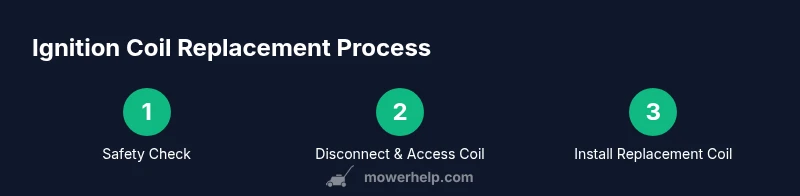
Before diving into disassembly, gather your replacement coil and the required tools. You’ll verify the coil’s compatibility, remove the old unit, install the new coil, reconnect wiring, and perform a spark check. Ensure that the ignition gap matches the engine’s specification after installation. This overview provides the logical flow so you know what to expect during the formal step-by-step process that follows.
Choosing the right replacement coil and compatibility checks
Coil compatibility depends on engine family, firing order, and ignition type. Check the mower’s model number and engine type, then compare coil part numbers or specifications recommended by the manufacturer. If you use an aftermarket coil, confirm that the coil’s resistor, terminal connections, and mounting pattern align with your engine. Poor compatibility can cause weak sparks, misfiring, or continued starting issues.
Reassembly, adjustments, and performance tests
After installing the coil, reassemble any shrouds and covers, reconnect the spark plug wire, and (if applicable) reattach the kill switch. Use a proper gap between the coil and flywheel as specified by your engine. Start the mower and observe spark quality and engine response. If misfiring persists, recheck wiring connections and timing, and consider testing the spark plug and fuel delivery system as part of a holistic diagnostic routine.
Maintenance tips to extend ignition coil life
Keep connections clean and dry, inspect the coil for cracks periodically, and protect electrical connections from moisture and overheating. Regularly replace worn spark plugs and inspect the flywheel magnets for damage or wobble. A well-maintained ignition system reduces coil stress and extends service life, saving time and expense on future repairs.
Tools & Materials
- Spark plug wrench(For safely removing and inspecting spark plugs during tests)
- Multimeter(To measure coil resistance and continuity (consult mower manual for spec range))
- Safety gloves and eye protection(Personal protective equipment)
- Screwdrivers (Phillips and flathead)(To remove covers and mounting screws)
- Socket wrench set(For coil mounting bolts)
- Replacement ignition coil(Match engine model and firing type; avoid incompatible parts)
- Dielectric grease(Helps prevent corrosion at the connector seals)
- Owner/repair manual(Exact coil specs and timing information)
Steps
Estimated time: 45-60 minutes
- 1
Prepare safely and disconnect power
Put the mower on a level, non-flammable surface and unplug or disconnect any power source. Remove the spark plug wire to prevent accidental starting. Gather your tools and review the mower’s manual for coil specifications. These safety checks prevent shocks and injuries before you begin.
Tip: Always work with the engine cool and clear of debris. - 2
Locate ignition coil and document connections
Find the coil housing near the flywheel. Take a photo of the wiring diagram or label each connector before disconnecting anything. This helps ensure correct reassembly and reduces miswiring risks.
Tip: Label wires with masking tape for easy reference. - 3
Remove wiring from the coil
Gently disconnect the high-tension lead and any ground wires from the coil. Avoid pulling on the wires themselves; grip the connectors. If wires are stiff, apply a small amount of dielectric grease upon reassembly to resist corrosion.
Tip: Do not bend or yank wires; keep connectors intact. - 4
Unfasten mounting screws and remove coil
Loosen and remove the screws or bolts holding the coil to its bracket. Lift the coil away carefully, noting its orientation and any spacers. Some engines require a brief test fit of the replacement coil to confirm fit before final installation.
Tip: Keep screws in a labeled tray to avoid losing them. - 5
Compare and install the replacement coil
Align the replacement coil with the mounting points and connect the wiring as documented. If the coil requires a different mounting orientation, adjust accordingly so the coil sits flush for proper timing.
Tip: Verify compatibility with your engine model before installation. - 6
Set ignition gap and secure coil
Some coils require a precise air-gap between the coil and flywheel. Use a business card or feeler gauge if specified to set the gap. Tighten mounting hardware to the manufacturer’s torque specification without over-tightening.
Tip: Double-check the gap with the engine at rest before starting. - 7
Reconnect wiring and apply grease if needed
Reconnect all wires to their original terminals. Apply a thin layer of dielectric grease on connector seals to prevent moisture intrusion and corrosion over time.
Tip: Make sure connectors click securely into place. - 8
Reassemble covers and prepare to test
Reattach the engine shroud or cover, ensuring no tools are left inside. Reattach the spark plug wire but keep the air filter and fuel system as per manual. Prepare to perform a spark test.
Tip: Keep the area clean to avoid debris falling into the engine. - 9
Test ignition and perform final checks
Attempt to start the mower. If it starts, listen for a clean, bright spark and smooth idle. If not, recheck coil connections, wires, and gap, and re-test with the multimeter.
Tip: If starting issues persist, test the spark plug and fuel delivery as separate checks.
Got Questions?
What are signs of ignition coil failure on a lawn mower?
Signs include hard starting, misfiring, stalling, or no spark at all. If you notice these symptoms, test the coil and wiring to confirm whether a replacement is needed.
Look for hard starting or misfiring, which often indicates coil wear. Run a quick test of the coil and wiring to confirm.
Can I test an ignition coil without removing it?
Basic tests can sometimes be done with the coil in place using a proper diagnostic meter and spark tester, but most accurate checks require removal to verify resistance and continuity.
You can do some tests without removal, but removing the coil gives a more reliable result.
Are aftermarket ignition coils reliable for lawn mowers?
Quality varies across brands. For critical equipment like mowers, choose coils from reputable makers and verify compatibility with your engine model.
Quality matters more than brand name; opt for coils that match your engine and come with a warranty.
What tools do I need to replace the ignition coil?
You’ll typically need a spark plug wrench, screwdrivers, a socket set, a multimeter, and the replacement coil designed for your engine. Always consult the mower manual for specifics.
Grab a spark plug wrench, screwdrivers, a socket set, and the replacement coil specified for your engine.
How often should I replace the ignition coil?
There’s no fixed interval; replace when you notice symptoms or after a thorough inspection reveals wear or damage. Regular checks during seasonal maintenance help prevent unexpected failures.
Replace when symptoms appear or during routine maintenance checks if wear is detected.
Watch Video
The Essentials
- Identify ignition coil symptoms early to prevent engine damage
- Test with a multimeter to confirm coil health before replacement
- Install a compatible replacement coil and set correct gap
- Document wiring and reassemble carefully for reliable performance
- Regular maintenance extends ignition coil life and improves starting reliability