Lawn Mower Not Starting When Hot: Urgent Troubleshooting Guide
Learn fast, safe fixes for a lawn mower not starting when hot. Step-by-step diagnostics, common causes like vapor lock and carb varnish, and pro tips to prevent heat-related starting issues.


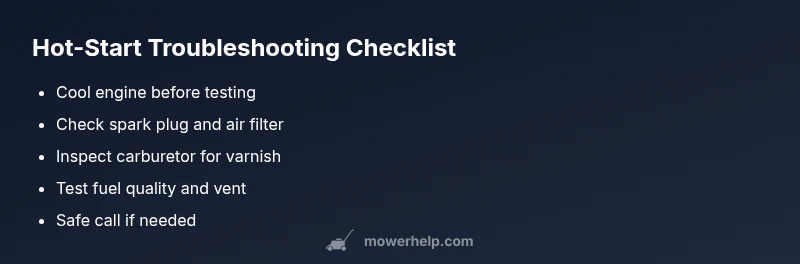
Most hot-start failures on a lawn mower come from fuel issues, vapor lock in the carburetor, or heat-related electrical hesitation. Start by letting the engine cool for 5–10 minutes, then check the spark plug, air filter, and fuel cap vent. If it still won’t start, inspect the carburetor for varnish buildup and confirm the kill switch isn’t engaged by heat. These steps fix common cases without professional help.
Why heat affects starting and what to expect when your mower is hot
When a lawn mower runs, heat rises through the engine and fuel system. If the engine was recently running and you try to start it again while it’s hot, you may encounter a momentary hesitation or a total failure to start. The most common culprits are fuel system issues (like vapor lock or degraded fuel), carburetor varnish from old gasoline, and a safety system that briefly misreads heat as a shutdown signal. For homeowners, understanding these heat-related dynamics helps you approach the problem methodically and safely. According to Mower Help analysis, hot-start issues are a frequent headache for DIY troubleshooters. By recognizing the pattern—cool, check basic parts, then move to the more detailed inspection—you’ll often solve the problem without calling a technician. As you follow these steps, maintain a calm pace, ensure you’re wearing eye protection, and keep hands away from moving parts.
Quick checks you can do before pulling the starter rope
Before diving into system-level fixes, run through a quick checklist to rule out the easiest causes. Check the safety switch and dead-man lever for proper engagement, ensure the spark plug wire is firmly connected, and confirm the air filter isn’t clogged. Verify fuel is fresh and the fuel cap vent is open so vapor can escape. If you recently stored fuel for more than a month, replace it. A warm engine can tolerate a brief cooling period; give it 5–10 minutes to rest before retrying. If you still face issues, proceed to the diagnostic flow for a structured path to the fix.
Diagnostic flow: hot-start symptoms to likely causes
Symptoms often map to a few likely causes. A heat-induced vapor lock or carburetor varnish typically sits at the top of the list, followed by a failing ignition component that struggles when hot. Ethanol-blended fuels can corrode tiny passages in the carb and fuel lines when idle for extended periods. If the engine tries to start but dies immediately, the issue could be a flooded carb from overpriming. Use this flow to prioritize checks: let the engine cool, test spark, test compression (if you’re comfortable), inspect the carburetor, and review fuel delivery. If you are unsure at any step, stop and seek professional assistance to avoid damage.
Step-by-step diagnosis for the most common cause (fuel/vapor lock)
The most frequent hot-start problem is vapor lock in the fuel system or varnish buildup in the carburetor. This block walks you through a practical method to diagnose and address it without specialized tools.
- Cool the engine: allow the mower to rest for 5–10 minutes in a shaded area.
- Inspect the spark plug: remove, clean, or replace if fouled; gap correctly.
- Check fuel quality: if old or ethanol-heavy fuel sits, drain and replace with fresh fuel.
- Inspect the carburetor: look for varnish and gummed passages; spray with carb cleaner.
- Check the fuel cap vent: ensure it is not blocked; a blocked vent creates a vacuum that can hinder fuel flow.
- Reassemble and try starting in a controlled manner; listen for fuel spray in the air filter housing.
- If it still fails, consider a professional carburetor cleaning or rebuild. If you are not comfortable, stop and contact a mower repair technician.
Tip: Work in a well-ventilated area and keep spark plug wires away from metal contact to prevent shocks or shorts.
Safety tips and common mistakes to avoid
Safety is non-negotiable when troubleshooting a hot lawn mower. Always disconnect the spark plug boot before touching electrical components or removing covers. Never perform maintenance over a concrete surface where fuel spills could spread. Avoid forcing components; if a part is stuck, apply gentle pressure and consider professional help. Common mistakes include using old fuel, ignoring a clogged air filter, and skipping the cooling interval after running the engine hot.
Prevention: keeping your mower reliable when temperatures rise
Prevention saves time and money. Use fresh gasoline and keep the fuel system clean with periodic carburetor maintenance. Store mower indoors or under shade, and check the cooling shroud and cooling fins for debris after use. Regular spark plug and air-filter replacement helps avoid hot-start issues. If your mower runs hot consistently, consider a tune-up schedule and proper lubrication as part of routine maintenance.
Steps
Estimated time: 25-45 minutes
- 1
Cool engine and verify safety basics
Begin by turning off the mower, removing the spark plug cap, and letting the engine cool in a shaded area for 5–10 minutes. While cooling, inspect obvious safety interlocks and ensure the kill switch is disengaged when testing for spark later. This step prevents accidental starts and reduces risk.
Tip: Never touch the carb or exhaust while the engine is hot; heat can cause burns. - 2
Inspect spark plug and ignition
Remove the spark plug, check for fouling or carbon buildup, and replace if needed. Re-gap to the manufacturer specification and reattach the boot firmly. A healthy spark is essential for reliable hot-starts.
Tip: Use a spark plug wrench to avoid cross-threading; inspect the boot seal for cracks. - 3
Check air filter and fuel quality
Inspect the air filter for dirt or saturation; replace if blocked. Drain old fuel if you suspect varnish or ethanol damage and refill with fresh, properly stabilized gasoline. Ensure the fuel cap vent is clear to allow air intake.
Tip: Stabilize fuel for storage; never leave fuel sitting in the carb for extended periods. - 4
Inspect carburetor passages
With the air filter removed, inspect for varnish buildup or sticky float. If accessible, spray carburetor cleaner through the jets and passages. Reinstall after the cleaner dries.
Tip: Do not disassemble complex jets if you’re unsure; carb rebuild kits are available for common models. - 5
Test fuel delivery and cap vent
With the air intake open, briefly prime and attempt to start; observe fuel spray into the carb throat. Check that the vent on the fuel cap is not blocked, which can cause vapor lock when hot.
Tip: If you hear a click or hiss from the carburetor, you’re likely drawing in fuel correctly. - 6
Re-test starting and assess next steps
Reassemble all components and attempt a start. If the engine still won’t start when hot, perform a professional carburetor cleaning or consult a mower technician to avoid damaging internal components.
Tip: Document any signs (smells, sounds) to share with a technician. - 7
Review safety and next-step plan
Always prioritize safety. If you must reach difficult parts or adjust fuel systems, seek professional help and schedule a maintenance check to prevent recurring hot-start problems.
Tip: Schedule a routine tune-up every season to catch wear early.
Diagnosis: Engine won't start when hot or starts briefly and dies
Possible Causes
- highFuel vapor lock or carburetor varnish from degraded fuel
- mediumIgnition components overheating or failing under heat
- lowClogged air filter or dirty carb passages
- lowBlocked fuel cap vent causing fuel starvation
Fixes
- easyLet engine cool for 5–10 minutes and re-test
- easyInspect/replace spark plug and clean air filter
- easyDrain old fuel, fill with fresh gasoline, and ensure venting works
- mediumCarburetor cleaning or rebuild if varnish is present
- mediumCheck and clear fuel lines and carb passages; replace fuel filter if present
- hardConsult a professional if ignition or carb issues persist
Got Questions?
Why does a lawn mower often fail to start when hot?
Heat can cause vapor lock in the carburetor, varnish buildup from old fuel, and temporary ignition hesitation. Each of these reduces fuel delivery or spark at the moment you try to start when the engine is hot.
Heat-related fuel or ignition issues cause hot-start failures; cooling and checking spark and fuel usually solves it.
Can old fuel cause hot-start problems even after cooling?
Yes. Ethanol-blended fuel can gum up carb passages and varnish the carburetor, especially after sitting. Replacing with fresh fuel and cleaning the carb often resolves the issue.
Old fuel can gum up the carburetor and cause hot-start trouble; fresh fuel helps.
Should I replace the spark plug if starting is erratic when hot?
A fouled or worn spark plug can cause weak ignition when hot. Check gap, clean or replace as needed, and ensure the boot seats properly.
If starting is erratic when hot, inspect and possibly replace the spark plug.
Is vapor lock common in modern mowers?
Vapor lock is less common in modern, properly vented systems but can occur with old carburetors and poor fuel quality, especially in hot weather.
Vapor lock happens sometimes, especially with older carburetors and hot fuel.
When should I seek professional help for hot-start issues?
If basic checks don’t restore starting, or you suspect a carburetor rebuild or ignition module problem, a professional should diagnose to prevent further damage.
If basic steps don’t fix it, call a mower repair technician.
Watch Video
The Essentials
- Cool first, then inspect basic components
- Fresh fuel and clean carb passages are essential
- Test ignition and air flow before carb work
- Know when to call a pro to prevent damage