Can You Jump a Lawn Mower Battery? Safety and Step-by-Step Guide
Learn how to safely jump-start a lawn mower battery with a clear, safety-focused, step-by-step process. Includes tools, common mistakes to avoid, and alternatives for keeping your mower powered.


Can you jump a lawn mower battery? Yes, you can safely jump-start many 12V lead-acid or sealed mower batteries using a charged donor battery or a portable jump-starter. Always confirm battery health, polarity, and safety procedures before connecting to avoid sparks or acid leaks. Do not jump a damaged or swollen battery.
Understanding Lawn Mower Batteries: Types and Risks
If you're wondering can you jump a lawn mower battery, the short answer is yes for most 12V lead-acid and sealed batteries, with proper precautions. Lawn mower batteries come in several chemistries, including traditional flooded lead-acid and maintenance-free AGM/sealed varieties. Each type requires careful handling to prevent sparks, acid exposure, and thermal runaway. Avoid attempting a jump if the battery is swollen, cracked, or leaking, as that indicates damage. Always consult the mower's manual for model-specific guidance.
Safety First: What to Do Before Jumping
Jump-starting a mower battery involves handling readily explosive gases and corrosive acid. Before you connect any cables, ensure the mower is off and parked on a flat, non-slip surface. Wear chemical-resistant gloves and safety glasses, avoid loose clothing or jewelry, and keep flames or sparks away from the battery. Check for cracks, leaks, or a swollen casing. If the battery shows obvious damage, do not attempt a jump; instead, replace it or seek professional help.
Choosing a Jump-Start Method: Donor Battery vs. Portable Jumper
There are two practical ways to provide the needed surge: a charged donor battery (such as a car battery) using appropriate jumper cables, or a dedicated portable jump-starter. Ensure the donor system is in good condition and that both devices share the same voltage (12V). A jump-starter can be easier and safer because it avoids handling a second heavy battery and reduces the risk of accidental reverse polarity.
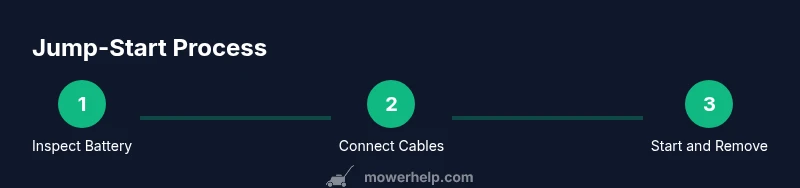
Jump-Start Process: Step-by-Step Overview
When you are ready, place the donor battery and mower in close proximity, then connect the cables in the correct order to minimize sparks: first connect the positive clamp to the mower's positive terminal, then connect the other end to the donor battery's positive terminal. Next, connect the negative clamp to the donor battery's negative terminal and attach the remaining negative clamp to a grounded metal point on the mower away from the battery. Start the donor engine briefly and, if the mower turns over, let it run a moment before removing cables in reverse order.
Post-Jump Care: Charging, Testing, and Battery Health
After a successful jump, let the mower run for several minutes to settle the battery and recharge it as much as possible. If you have a charger, connect the battery to a proper 12V charger and follow the manufacturer’s instructions. Periodically test the battery voltage with a multimeter and inspect terminals for signs of corrosion. If the battery repeatedly fails to hold a charge, replacement is usually more economical than repeated jumping.
Common Pitfalls and Safe Alternatives
Avoid jumping a battery that is swollen, cracked, or leaking. Never jump a battery near fuel spills or when the mower is visibly hot. If you’re unsure, use a dedicated portable jump-starter with built-in safety features or contact a professional for diagnostics. Regular mower maintenance, including terminal cleaning and periodic charging, can reduce the need for jump-starts altogether.
Tools & Materials
- Charged 12V donor battery or portable jump-starter(Ensure it is in good condition and matches 12V)
- Heavy-duty jumper cables (4-6 gauge)(Insulated clamps; keep leads clear of moving parts)
- Safety gloves and safety glasses(Chemical-resistant if possible)
- Mower owner's manual(Check model-specific instructions)
- Rags or a clean cloth(To wipe terminals and spills)
- Fire extinguisher (Class ABC)(Keep nearby as precaution)
- Multimeter (optional)(To verify battery voltage after jump)
Steps
Estimated time: 20-40 minutes
- 1
Inspect and Prepare
Open the battery compartment and visually inspect for cracks, leaks, or swelling. If anything looks damaged, do not proceed. Put on safety gloves and goggles, and clear the area of fuel and loose items. Have a clear plan for the cable route to keep them away from hot surfaces.
Tip: Protect your eyes and hands; never lean over the battery during connection. - 2
Position Donor Battery and Cables
Place the donor battery or jump-starter close enough to reach the mower’s battery without straining the cables. Ensure the mower remains off and the area is ventilated. Route cables so clamps cannot touch metal on the mower beyond the terminals.
Tip: Keep all metal tools away from battery terminals to avoid accidental sparks. - 3
Connect Cables in Correct Order
Attach the red positive clamp to the mower’s positive terminal, then the other red clamp to the donor battery’s positive terminal. Attach the black negative clamp to the donor battery’s negative terminal and secure the other black clamp to a grounded metal point on the mower away from the battery.
Tip: Double-check polarity before any connection; reversed polarity can cause damage. - 4
Start the Donor Source and Attempt to Start the Mower
Start the donor engine or activate the jump-starter for a brief moment, then try to start the mower. If the mower doesn’t crank within 10-15 seconds, stop and wait a moment before trying again. Do not crank for extended periods.
Tip: Avoid cranking continuously; give the system time to recover between attempts. - 5
Remove Cables and Finish
Remove cables in reverse order: first disconnect the negative from the mower, then the negative from the donor, and finally the positives. Let the mower run for several minutes, then recharge with a proper charger if available. Inspect terminals and ensure everything is cool before putting away.
Tip: Remove the negative clamp first to minimize accidental sparks near the battery.
Got Questions?
Can you jump a lithium-ion lawn mower battery?
Some lawn mowers use 12V lithium-ion packs, but many do not. Do not jump a damaged Li-ion pack or one with visible swelling. Always consult the mower manual for lithium-ion compatibility and safe charging guidance.
Some lithium-ion packs can be jump-started if the manual allows it, but never jump a damaged Li-ion pack; check the manual for safety.
What should I do if the mower won't start after jumping?
If the mower doesn't start after a jump, recheck polarity, wiring, and battery health. Try a brief recharge with a proper charger and re-test, or replace the battery if it can’t hold a charge.
If it still won’t start, recheck connections, then try charging the battery and retesting, or consider replacement.
Is it safe to jump a mower battery near fuel?
No. Keep the jump area well-ventilated and away from fuel spills or vapors. Sparks near fuel can ignite vapors, so proceed only after ensuring the area is clear.
Avoid jumping near fuel; ensure there are no spills or vapors before you begin.
Can I use a car to jump a mower battery with the engine running?
It’s generally safer to disconnect the car engine from the jump, and ensure the car is off during the process. A portable jump-starter can reduce risk and simplify the setup.
Best practice is to keep the donor engine off while connecting, or use a dedicated jump-starter.
How long should I run the mower after a jump?
Let the mower run for several minutes after starting to help the battery settle. If you rely on occasional jumps, have the battery tested and charged regularly.
Run it for a few minutes and then consider a proper 12V recharge for the battery.
Watch Video
The Essentials
- Wear PPE before handling any battery.
- Verify polarity and use the correct voltage.
- Avoid jumping damaged or swollen batteries.
- Disconnect cables in reverse order and test after.
- Regular charging reduces future jump-start needs.